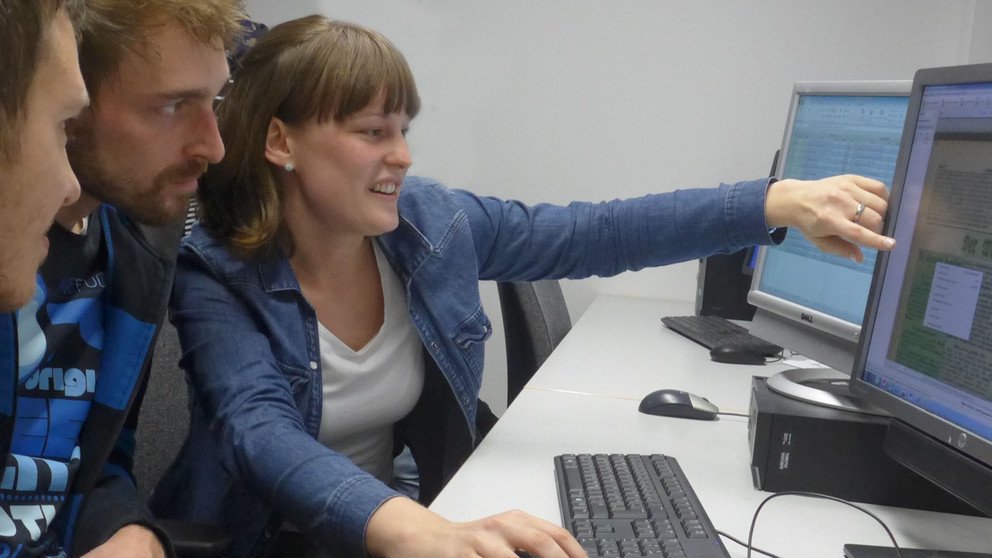
Our courses are part of various Bachelor's degree programmes. As of now, we are offering a specialisation in "Digital History / Historical Informatics" as a Master's degree. Digital Humanities can also be studied as part of a certificate programme.
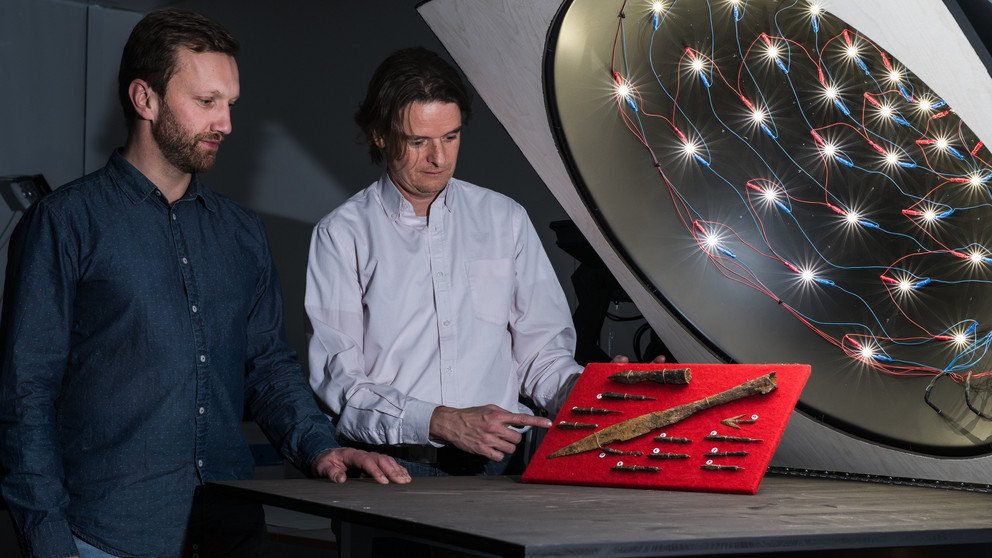
We focus on research in the areas of historical data science, data modelling, coding and visualisation of complex text structures and digitisation of cultural assets. We also critically engage with many questions of digitisation.
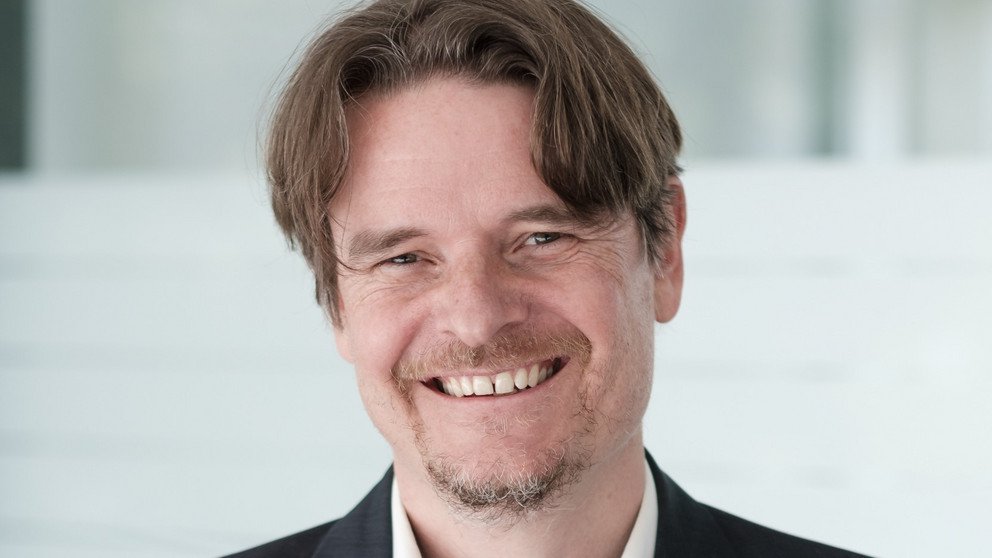
The team members around Malte Rehbein are your contact persons. Here you can find out about the contact details, office hours and research focus of the individual members of staff.
The chair of Digital Humanities researches computer-based methods for the humanities. The starting point is often the digitization of cultural heritage (the sources of humanities research) in the form of text, images or objects. The created data is computer-modelled, analyzed and made accessible for interpretation. Computer-based methods, tools and infrastructures for solving questions in the humanities and cultural studies are theoretically founded, designed, developed, applied and critically reflected upon in the Digital Humanities in harmony with the specialist sciences.
The Chair of Digital Humanities was established as part of the 'Technik Plus' program. Digital Humanities combine cultural studies disciplines with computer technology and new media. The aim is to bring together the various skills from both areas. On the one hand, the chair promotes the development and application of computer-aided research methods in cultural studies; on the other, it makes cultural studies approaches and issues accessible to computer science.
As a partner and know-how provider, the chair supports cultural institutions such as museums and archives in the implementation of digital projects. The Chair strives to act as a competent partner in the field of eHumanities beyond Passau and the Lower Bavaria region.
An overview incl. an article of introduction by Prof. Rehbein can be found in this issue of "Akademie Aktuell" in april 2016.
In the past few years, the Chair of Digital Humanities has created a number of online offerings:
The Chair offers special courses on Digital History in the Master's program of 'History and Society'.
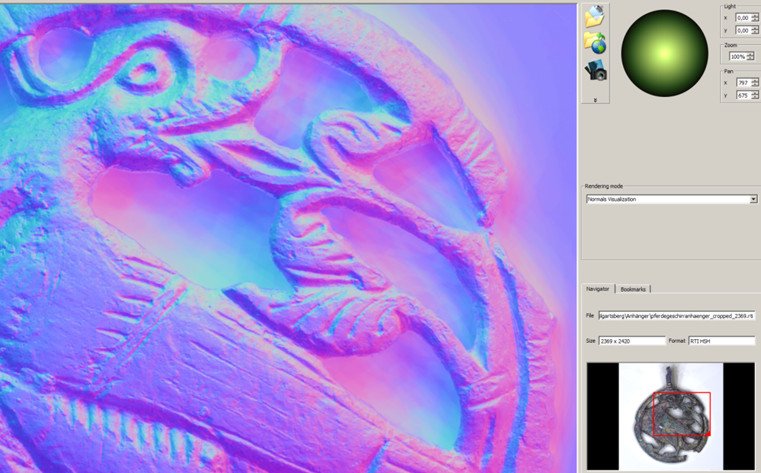
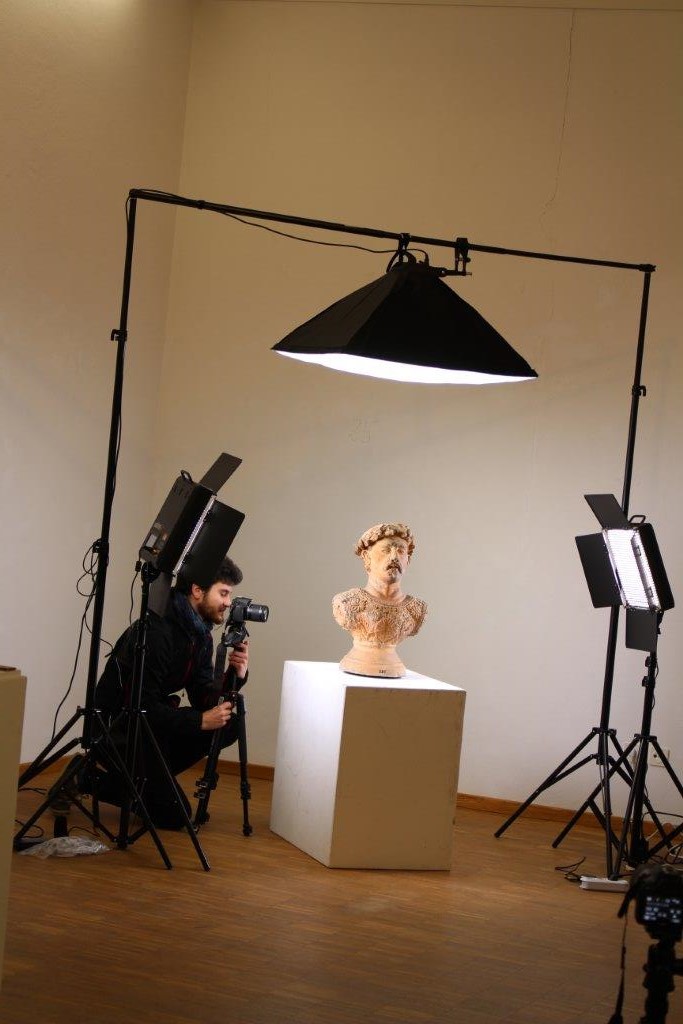
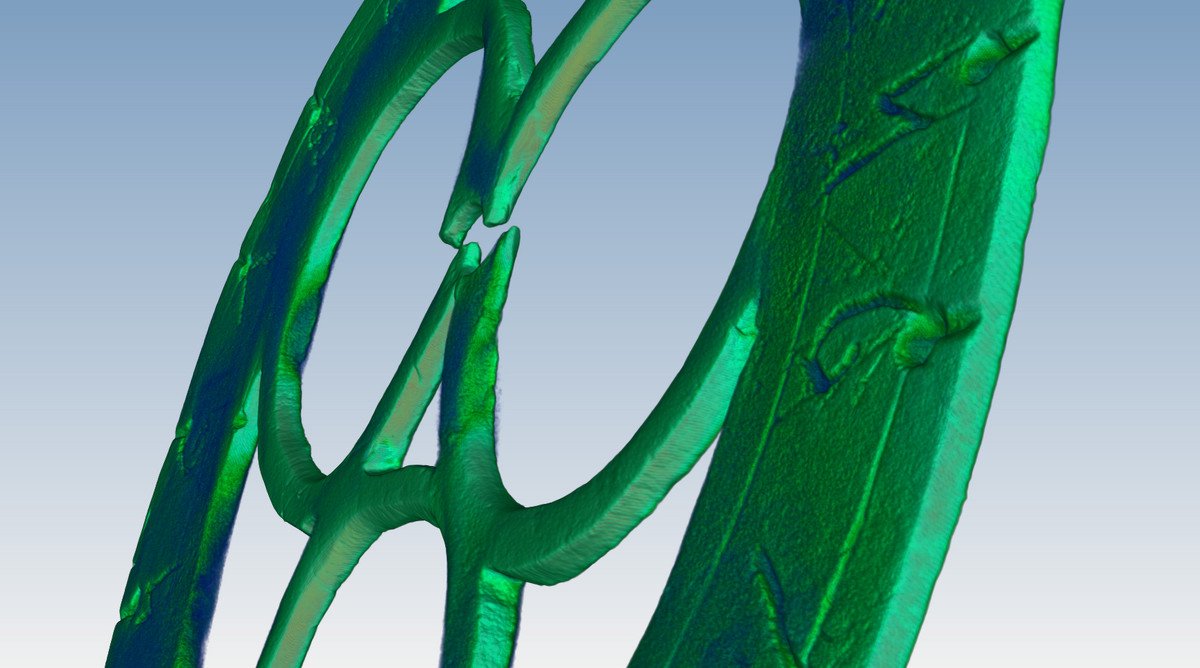
The course-accompanying blog for the scientific exercise “Cultural Heritage in 3D” is intended both as an exchange and working platform during the ongoing course, as well as a presentation opportunity for the work and digitized material created during the course, which also ensures subsequent use or project continuation.
The digitizations are carried out in the laboratory for the digitization of cultural assets of the chair.
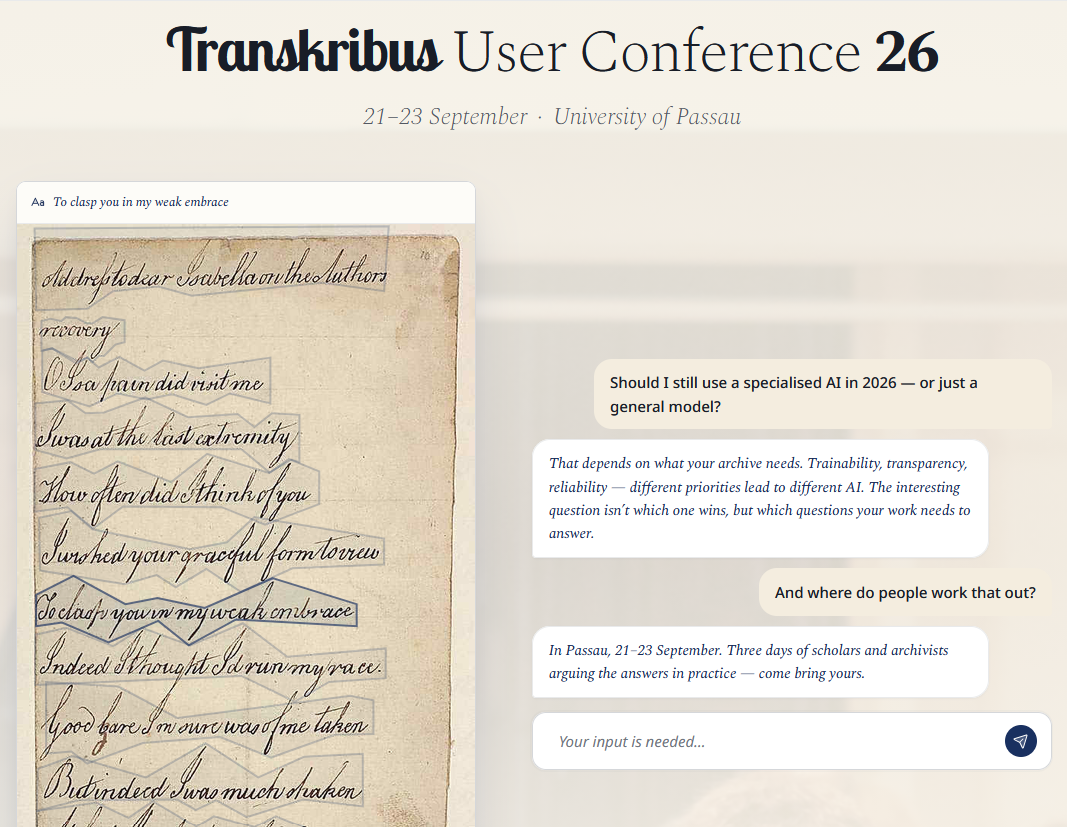
The Chair of Computational Humanities at the University of Passau is pleased to host the Transkribus User Conference (TUC) in 2026.
The international conference brings together Transkribus users, researchers, and professionals from cultural heritage and memory institutions to discuss current projects, methods, and developments related to Transkribus, handwritten text recognition, historical documents, and the digital humanities. In addition to presentations and workshops, the TUC provides opportunities for networking, exchanging ideas, and sharing best practices from both research and professional practice.
Interested?
- Transkribus User Conference (TUC): 21-23 September 2026, University of Passau
- Registration: Tickets available from 25 February 2026
- Take a look at the programme
For more information, visit: https://tuc.transkribus.org/