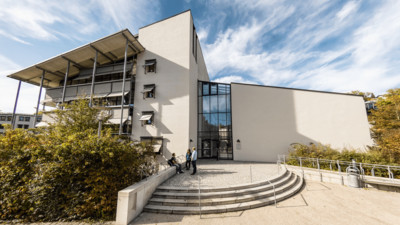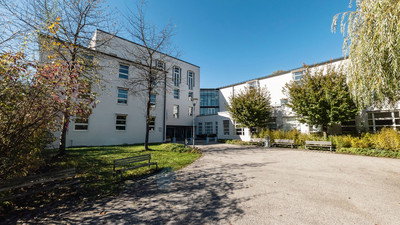
Art history and material culture is offered in a wide range of combinations within the university's modular Bachelor's and Master's degree programs. Students wishing to specialize in art history or material culture/cultural heritage studies are particularly encouraged to enroll in the B.A./M.A. in Historical Studies, the B.A./M.A. in European Studies or the B.A. Media and Communication.
Teaching in Art History and Material Culture aims to contribute to a broad, well-rounded academic education. This includes classical European and global art history—particularly Islamic material culture—as well as the history of methods, museology, and heritage studies. The knowledge acquired provides the foundation for critically examining historical contexts and evaluating one's own interpretations through reasoned arguments and counterarguments. Through the close study of buildings, images, and artifacts, students explore the relationship between humans and their environments. Art history investigates how human interventions have shaped objects and natural spaces, while also querying what these transformations reveal about historical developments and social processes.
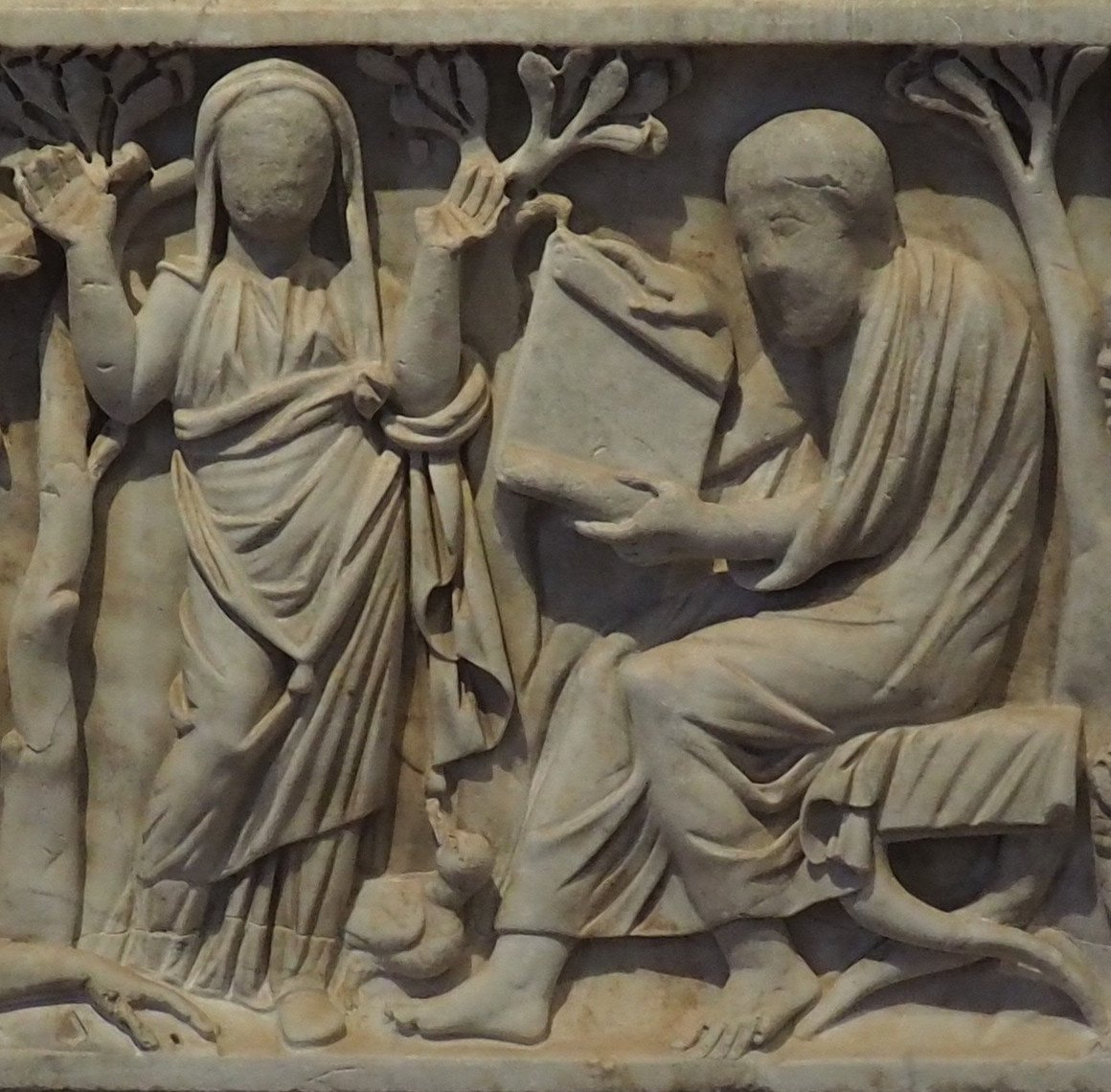
The study on material culture gives preference to material transformations, adaptations, and values objects underwent over time. It combines archaeological and art historical methods to study artefacts, buildings, and places after the moment they were first conceived.
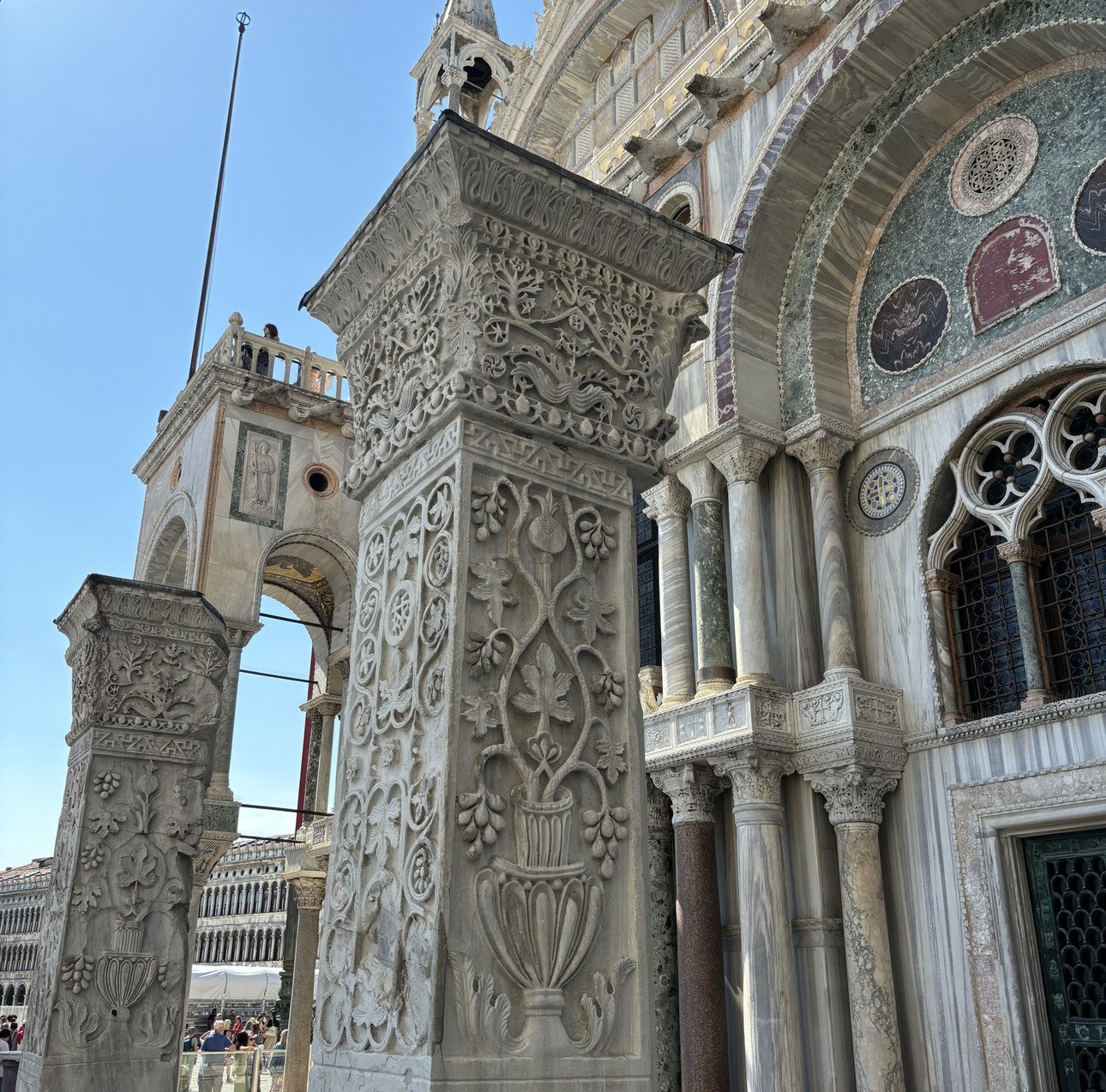
A current research project examines the use of ancient heritage in the Byzantine Empire, Venice, and Seljuk and early Ottoman Anatolia through the lens of spolia—the reuse of architectural and artistic elements from earlier monuments. By tracing the reception of classical and late antique Roman artifacts in Byzantine, Islamic, and Western medieval contexts, the project critically questions academia’s investment in conventional academic periodization and rigid distinctions between cultures.
Additional research interests include a study of art historiography in the former German Democratic Republic (GDR), Romanesque church architecture in the Altmark region and German–Slavic cultural contacts, as well as concepts of time and history in the premodern world.
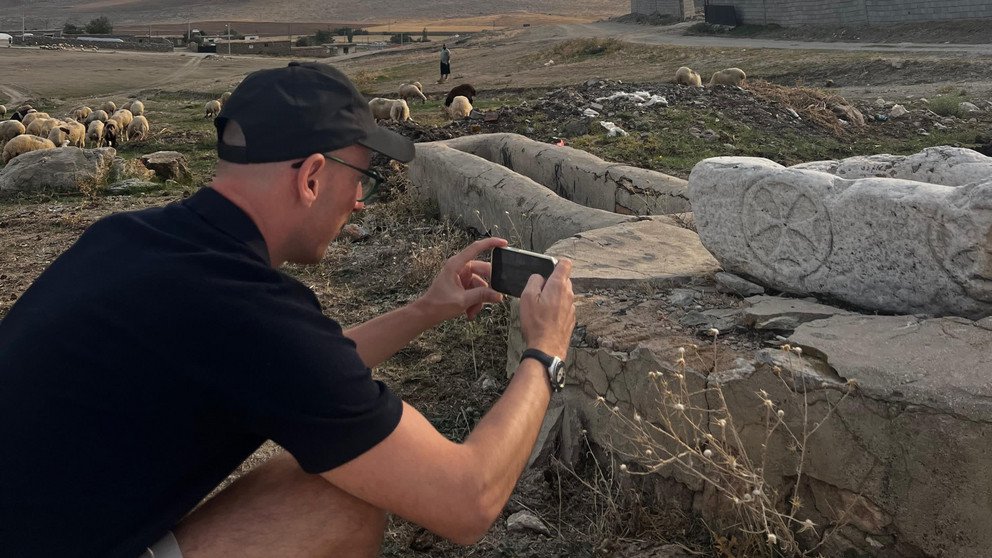
Prof. Dr. Armin Bergmeier has been the Chair of Art History and Material Culture since July 2026. Together with his team, he is happy to assist students and researchers with any questions relating to teaching, study, and research. His research focuses on the history of art and architecture in medieval Europe, the Mediterranean, and the Middle East, with particular emphasis on transcultural phenomena and cultural heritage from late antiquity to the beginning of the early modern period.
Cornelia Koller
NK 420
Phone: +49(0)851/509-5048
E-Mail: Cornelia.Koller@Uni-Passau.de