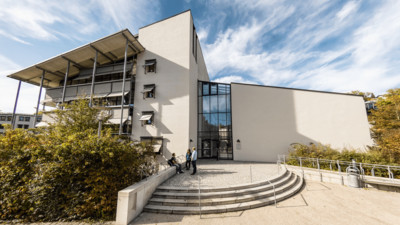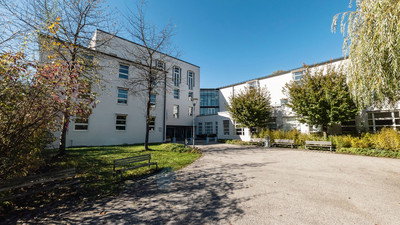
The teaching of environmental and technological history extends across different historical periods, with a focus on the modern Anthropocene. Local and indigenous perspectives on ecological and technological change are systematically incorporated. Through regional and transcontinental excursions, as well as through research-based teaching, science comics and exhibitions, extracurricular sites of learning and research (museums, archives and nature parks) are integrated into the curriculum.
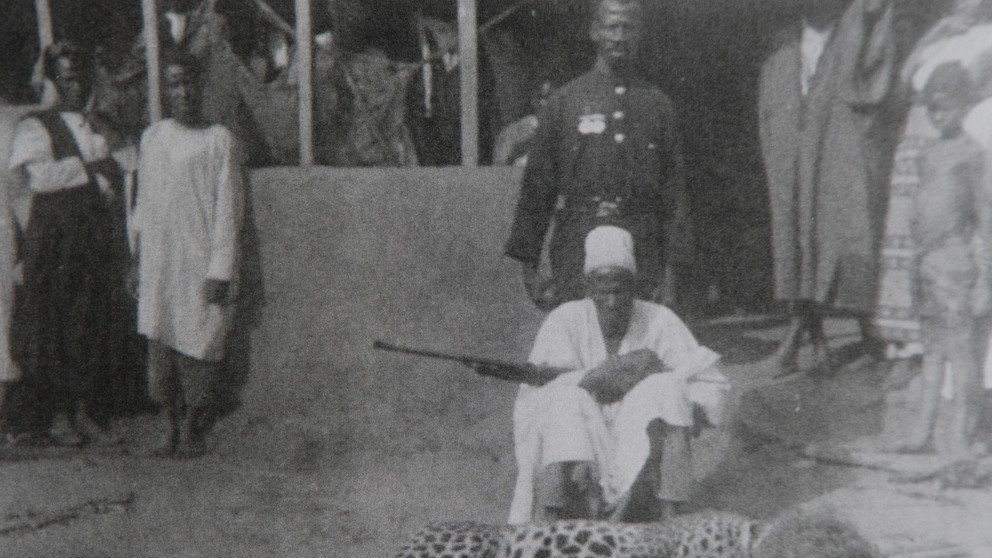
Global and (post)colonial environmental and technological history provides the framework for research into the interrelations between humans, environments, animals and pathogens. The focus of colonial history is on human–wildlife interactions, agricultural colonialism and its consequences, and the emergence of zoonotic diseases resulting from changes in ecological systems. The research is interdisciplinary and linked to the environmental humanities as well as the natural and life sciences.

Since the winter semester 2023/24, Professor Stephanie Zehnle, Ph.D. has held the Chair of Environmental and Technological History at the University of Passau. The members of her team serve as your primary points of contact. View contact details and consultation hours of individual staff members.
Yvonne Jerschabek
Office: PHIL 385
Tel.: +49 (0)851 / 509 - 5043
E-mail: yvonne.jerschabek@uni-passau.de
The latest publication of Prof. Dr. Stephanie Zehnle is a review of the book "Ein Planet, viele Welten. Die Klima-Parallaxe“ from Dipesh Chakrabarty. Further information can be found here.
Together with Dennis Yazici and Florian Fockelmann, Prof. Dr. Stephanie Zehnle has authored the articel "(Nicht)Zeigen und (Nicht)Wissen. Die Macht der kartographischen Visualisierung in der Agrargeschichte". More information is available here.
As part of the series "10 Minuten Soziologie" edited by Anna Henkel, Prof. Dr. Stephanie Zehnle contributet the chapter "Globale epidemiologische Infrastrukturen und medizinisches Verschwörungsdenken". More information can be found here.
In the edited volume " Die Schwierigkeit und Möglichkeit von Toleranz. Unterschiedliche disziplinäre Perspektiven" by Anja Pistor-Hatam and Frederike Stucke, Prof. Dr. Stephanie Zehnle contributed the chapter "(Un)Heilige Klänge: Lärmtoleranz und Religion in der Kolonialgeschichte" , and Victor Nakou contributed the chapter "Bedingte Toleranz und koloniale Kontrolle: Die Grenzen der Religionsfreiheit in der Côte d‘Ivoire unter französischer Herrschaft: Fallstudie von Islam und Harrismus". More information can be found here.