German-Slavic Encounters reconsiders German-Slavic cultural interactions in the twelfth and early thirteenth centuries in the wake of the Wendish Crusade of 1147 through the lens of ecclesiastical architecture, landscape history, settlement archaeology, and archeogenetics.
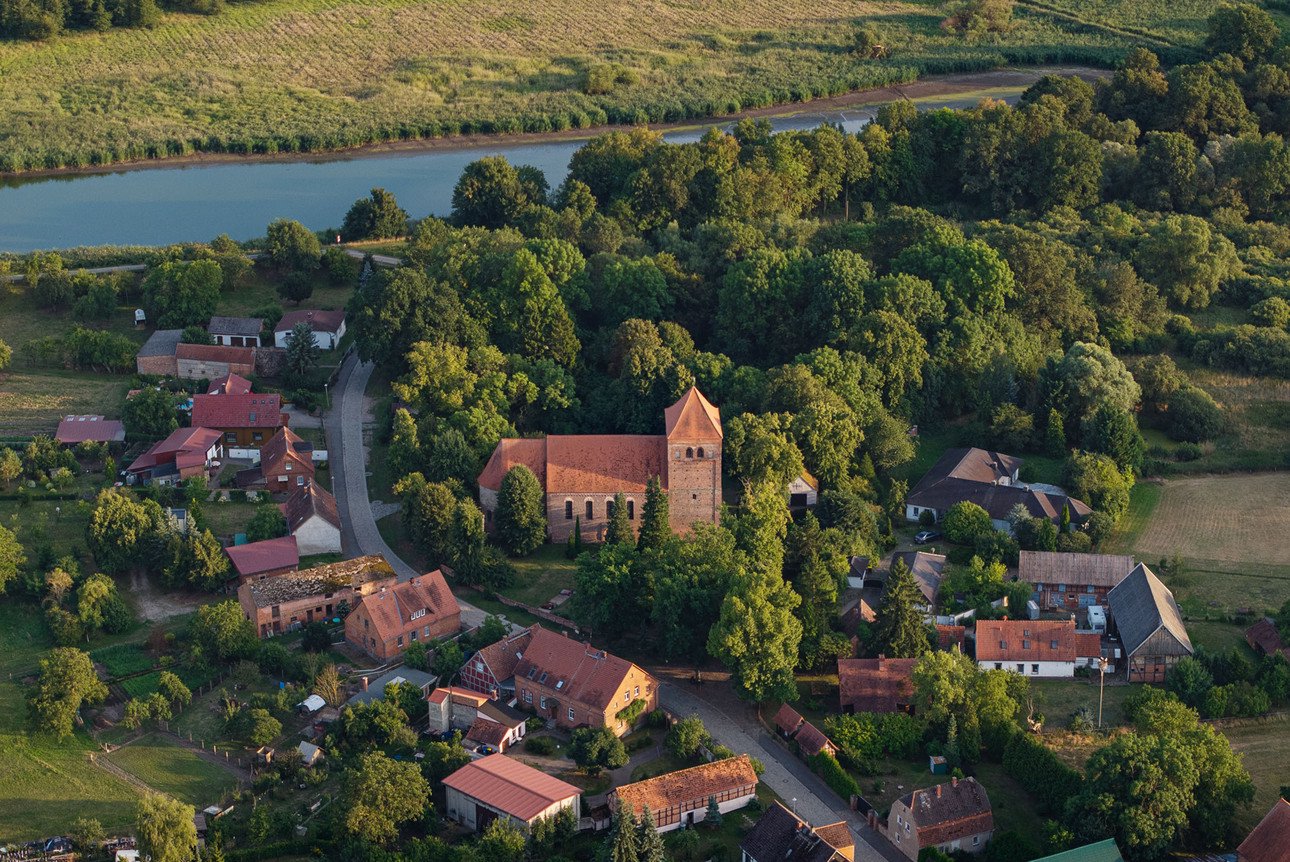
While earlier scholarship has often framed this period as one of unilateral conquest—emphasizing German expansion into pagan Slavic territories and the imposition of Christian institutions—recent archaeological evidence and shifting methodological paradigms challenge this narrative. What emerges instead is a more complex picture of coexistence, contact, and mutual transformation across an evolving frontier. Through the study of architecture, archaeological finds, as well as textual sources, the conference aims to reconsider long-standing assumptions of supposed German colonialism by reexamining the material history. The aim of the conference is furthermore to shine a light on a cultural landscape – the region lying West of the river Elbe – that remains understudied despite its wealth of 250 surviving Romanesque churches, including some of the oldest brick churches north of the Alps. Following an extraordinarily large and swift building activity in the second half of the twelfth century, the region served as a springboard for the development of the formerly Slavic territories to the East of the Elbe and remained affluent into the 16th century.