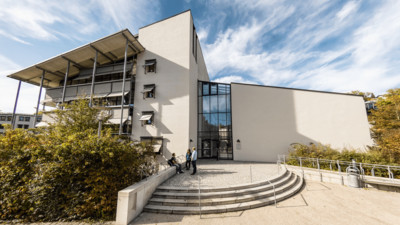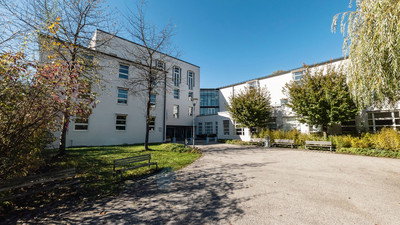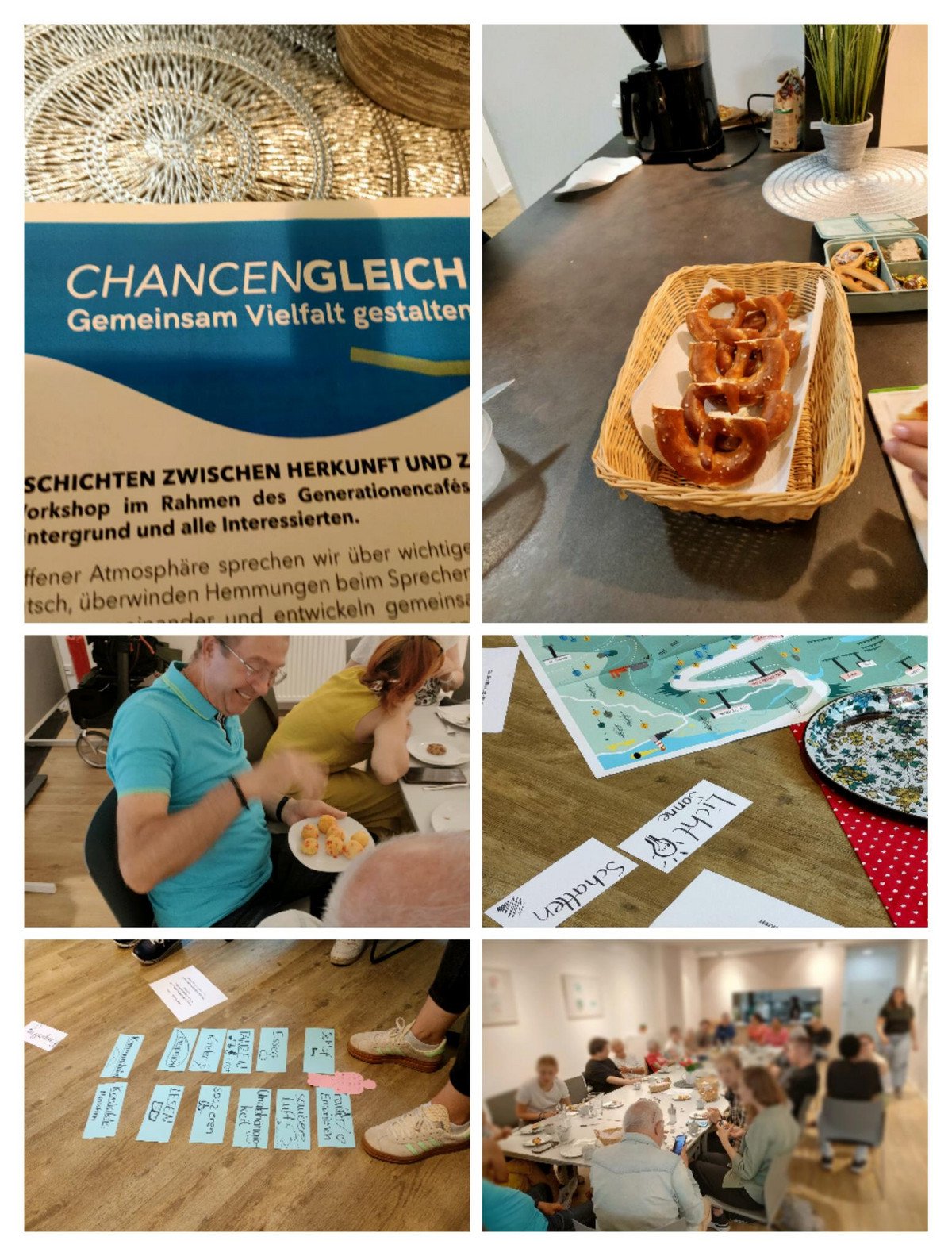

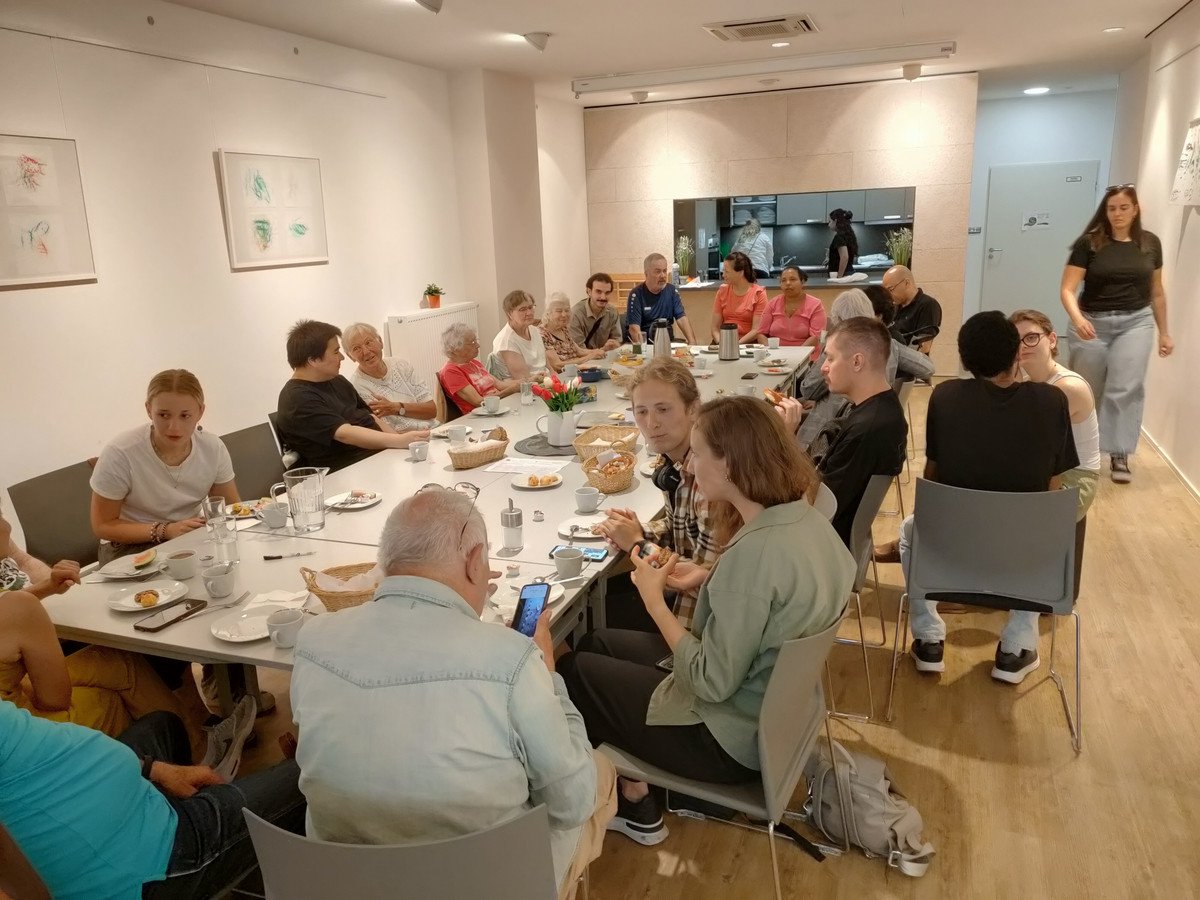
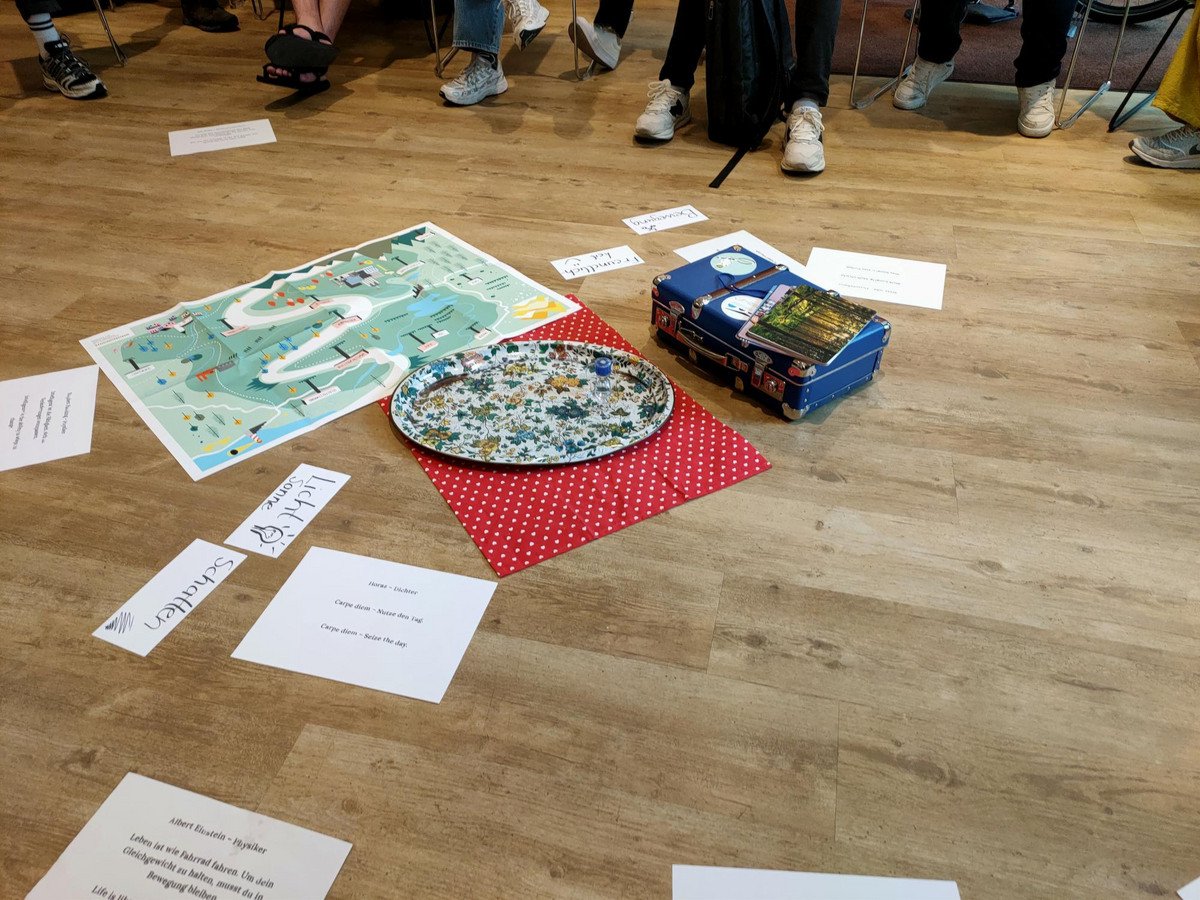
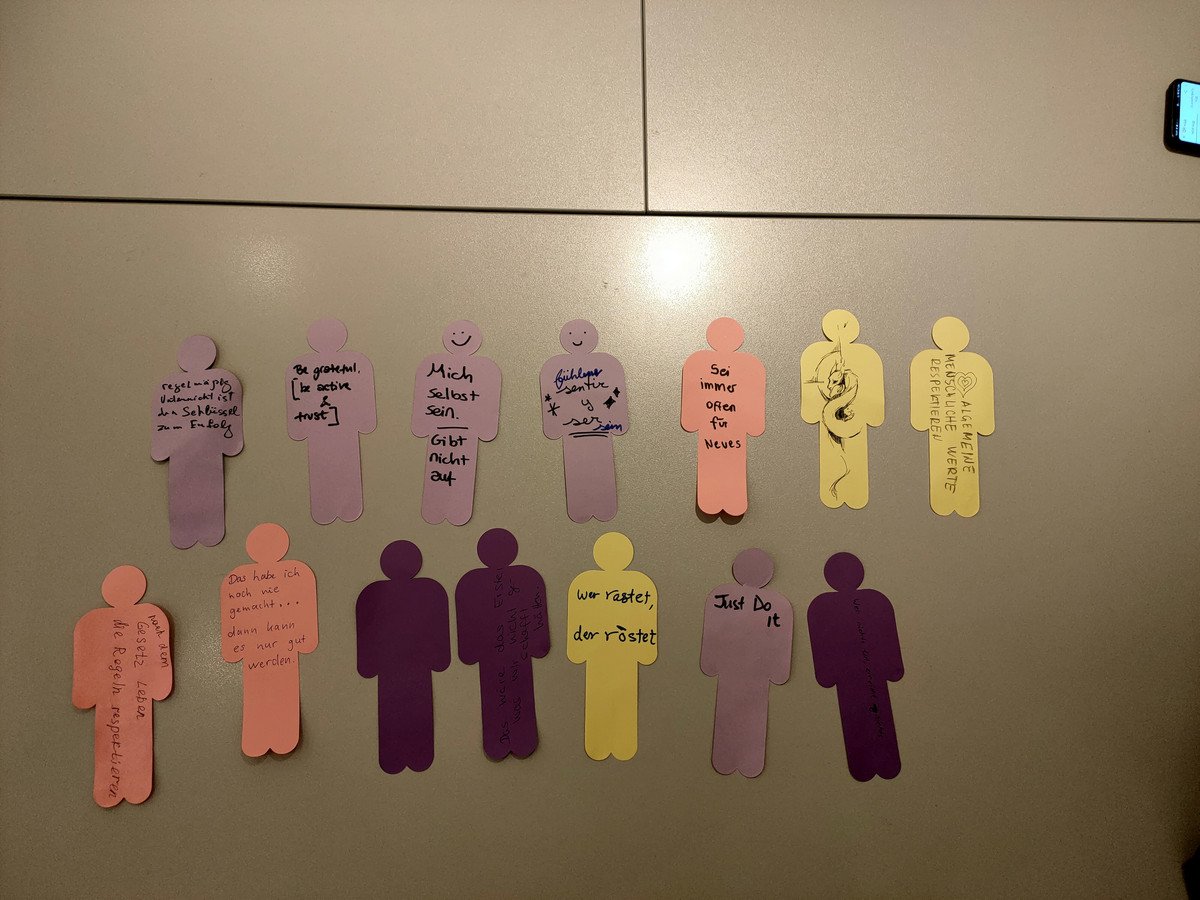
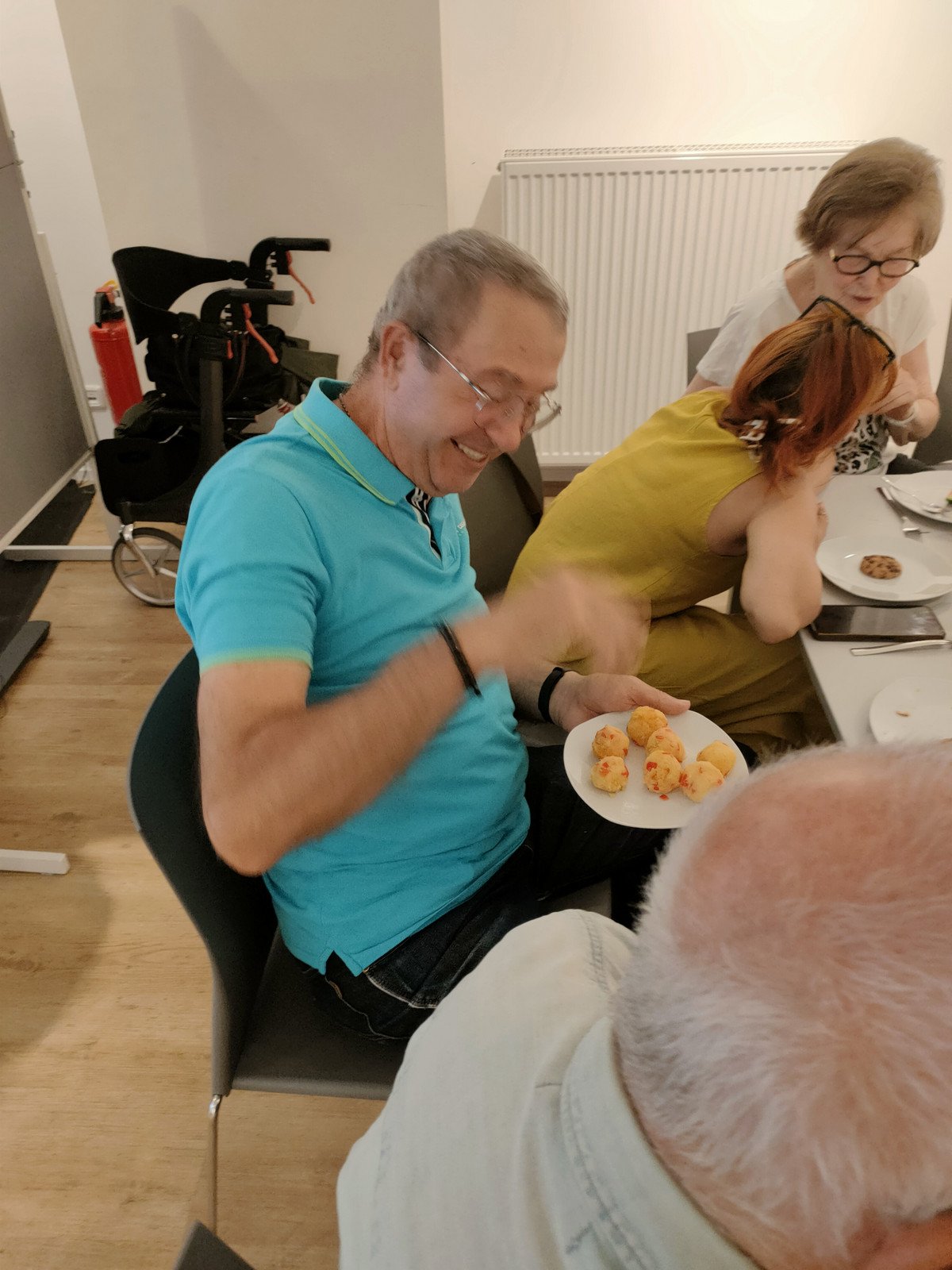
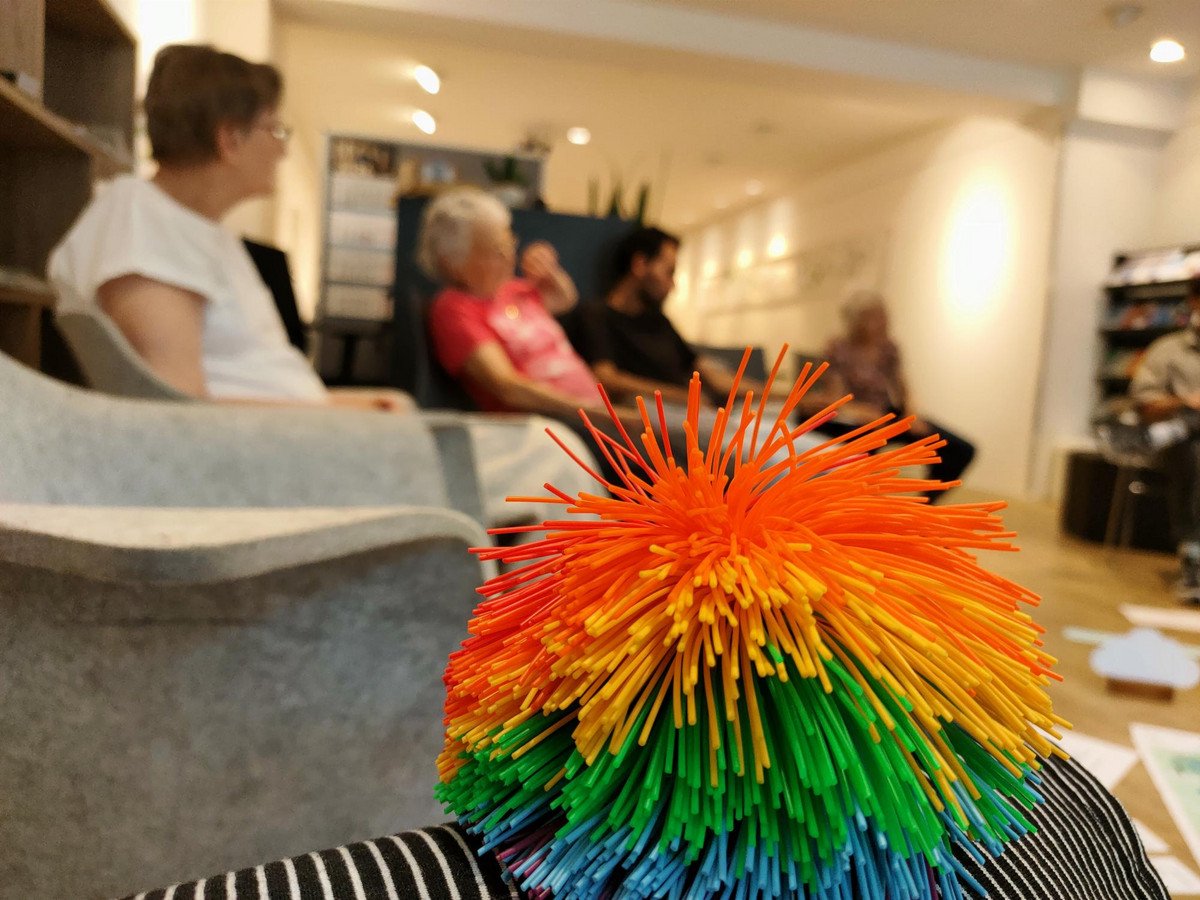
The four-part workshop series ‘Life Stories: Between Origins and the Future’ got off to a successful start on Sunday, 26 July 2026 with an international breakfast and in-depth discussions. A total of 28 participants aged between 17 and 90 came together to get to know one another, share experiences and reflect together on issues relating to living together in a diverse society.
The workshop series is designed and run by Dr Martina Maletzky de Garcia from the Chair of Intercultural Communication at the University of Passau and Melanie Wellenhofer. It forms part of the project “Equal Opportunities – Shaping Diversity Together” run by the Academy for Philosophical Education and Values Dialogue in cooperation with the Hans Lindner Foundation.
The “Equal Opportunities” project aims to bring people from different generations, cultures and life stories into dialogue with one another. It creates spaces for encounter in which mutual understanding, social participation and equal opportunities are promoted. At its heart lies the conviction that respectful coexistence does not arise automatically, but can grow through personal encounters, shared reflection and open discussion about values, experiences and visions for the future.
The workshop series kicked off with an international breakfast, where participants engaged in conversation with one another in a relaxed atmosphere. People with and without a migration background, as well as participants of various age groups, took the opportunity to make initial contacts and get to know one another.
The first workshop that followed centred on the participants’ personal life stories. Through sharing biographical experiences, it became clear just how different life paths can be and how many shared experiences people have despite their different cultural backgrounds. The discussions built trust and laid the foundations for further collaboration within the workshop series.
Over the coming months, the participants will explore the discussions they have begun in greater depth across three further workshops. These will focus on the following topics:
The wide age range of the participants – from 17 to 90 years old – made it clear right from the start just how enriching intergenerational exchange can be. Different experiences, perspectives and cultural backgrounds were not seen as opposing forces, but as a valuable foundation for mutual learning and shared reflection.
Through this series of workshops, the “Chancengleich” project is setting an example for greater dialogue, mutual respect and social cohesion. The Chair of Intercultural Communication is guided by the paradigm of constructive intercultural communication and investigates the conditions under which diversity has a positive impact. The workshop series puts the theoretical knowledge of constructive intercultural communication into practice.
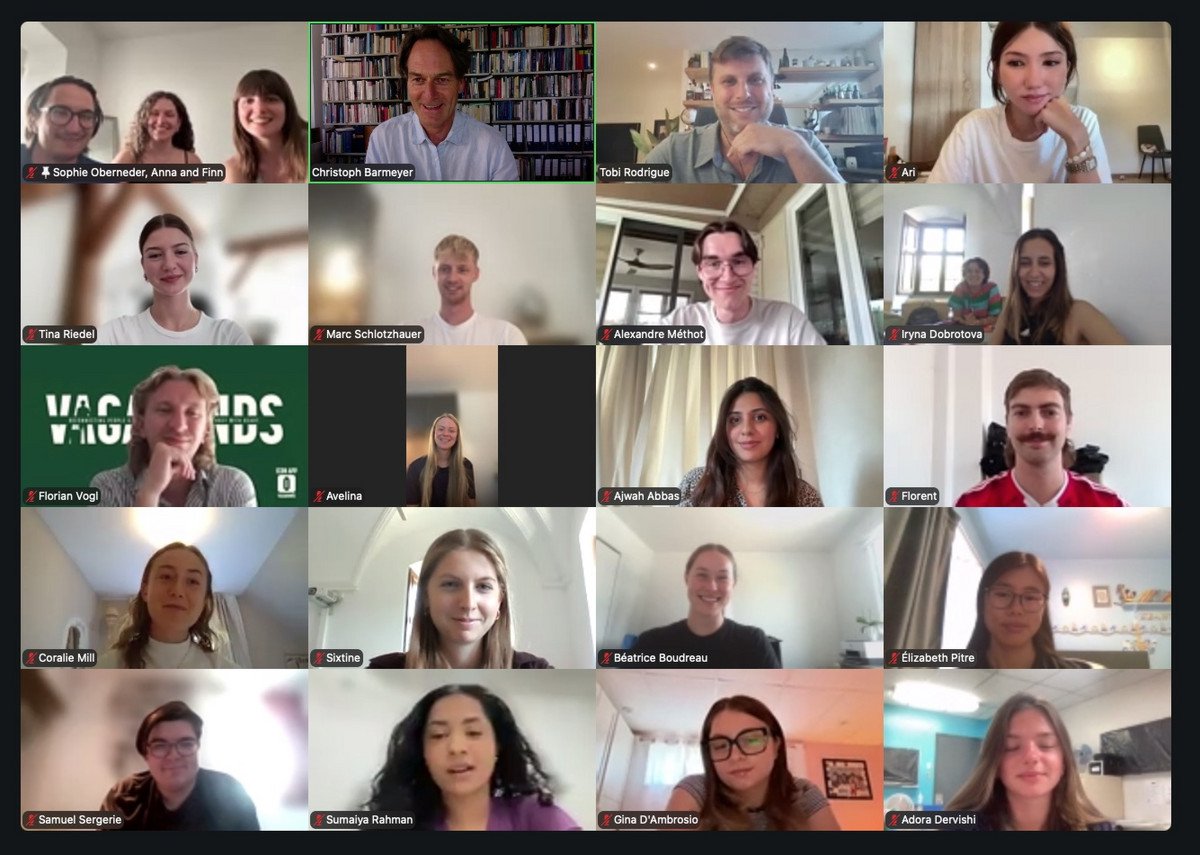
For the fourth consecutive year, Professor Christoph Barmeyer, together with his colleague Dr. Tobi Rodrigue from the Université du Québec à Montréal (UQAM), organized an advanced seminar on the topic of “Futurism and Intercultural Entrepreneurship.” Students from Montréal and Passau had the opportunity to collaborate on startup projects focused on launching businesses in the field of social entrepreneurship. The first phase took place in person in Passau, while the second was held virtually. The pitches for the five startup projects on July 13, 2026 — with names such as “Job Bites”, “Limu”, “ScamOffs“ “Genhos“ and “Vagabonds“, which were developed by multicultural teams — all shared the common goal of bringing together different stakeholders and addressing their needs through strategic direction and digital media such as apps. One example is connecting older and younger population groups through shared living spaces, or supporting migrants in finding employers by creating profile avatars. The teaching project demonstrated the high creative potential that can arise from intercultural project teams and is scheduled to take place again next year in conjunction with the 5th Quebec-Bavaria Forum.
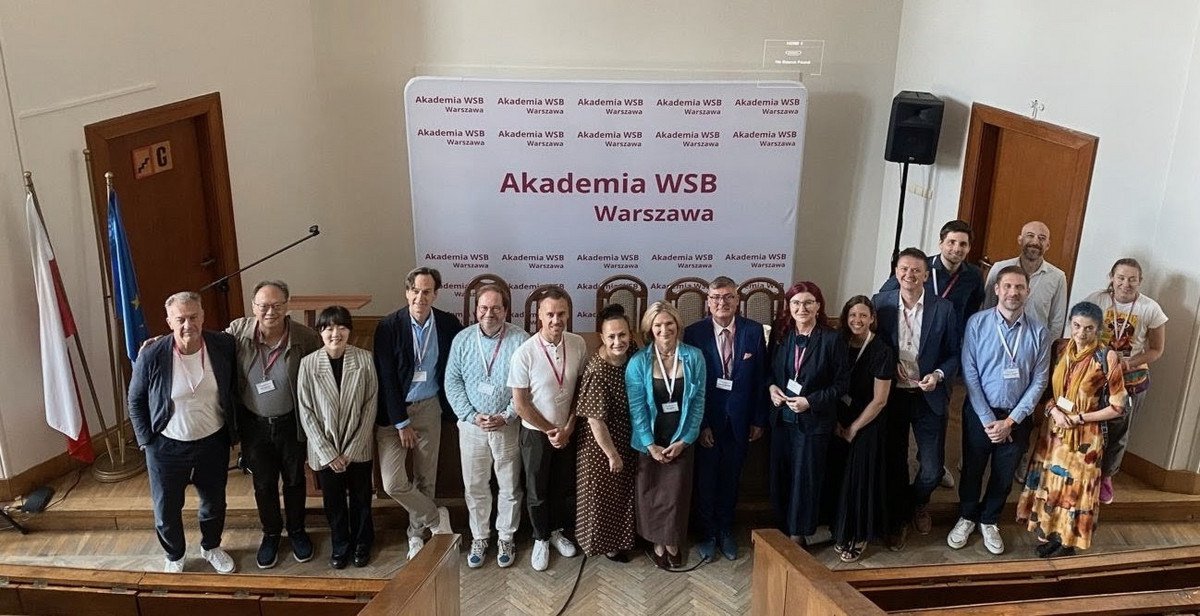
Following up on the PICAIS conference “Opportunities and Challenges of Multiculturalism at the Individual Level,” initiated by the Chair of Intercultural Communication (Professor Christoph Barmeyer and Elisabeth Huber) and Carleton University in Ottawa (Professor Luciara Nardon), which took place from July 21 to 23, 2025, at the University of Passau, another conference was held from July 6 to 8, 2026, at WSB University in Warsaw. The goal of this conference, organized by Mike Szymanski (University of Illinois Urbana-Champaign) and Iga Lehman (WSB University) in the impressive Palace of Culture and Science, was to further explore and discuss the diverse issues surrounding multicultural individuals in society and organizations. The focus was on topics such as plural identities, concepts of acculturation, patterns of perception, education and careers, the return and integration of migrants into their contexts of origin, as well as ethical dilemmas and multiple cultures. The conference provided numerous opportunities for interaction among 20 scholars from Poland, Germany, Israel, China, and the United States, who contributed to the constructive development of ideas on various topics.
(Photo: Andrzej Grzegrzółka)
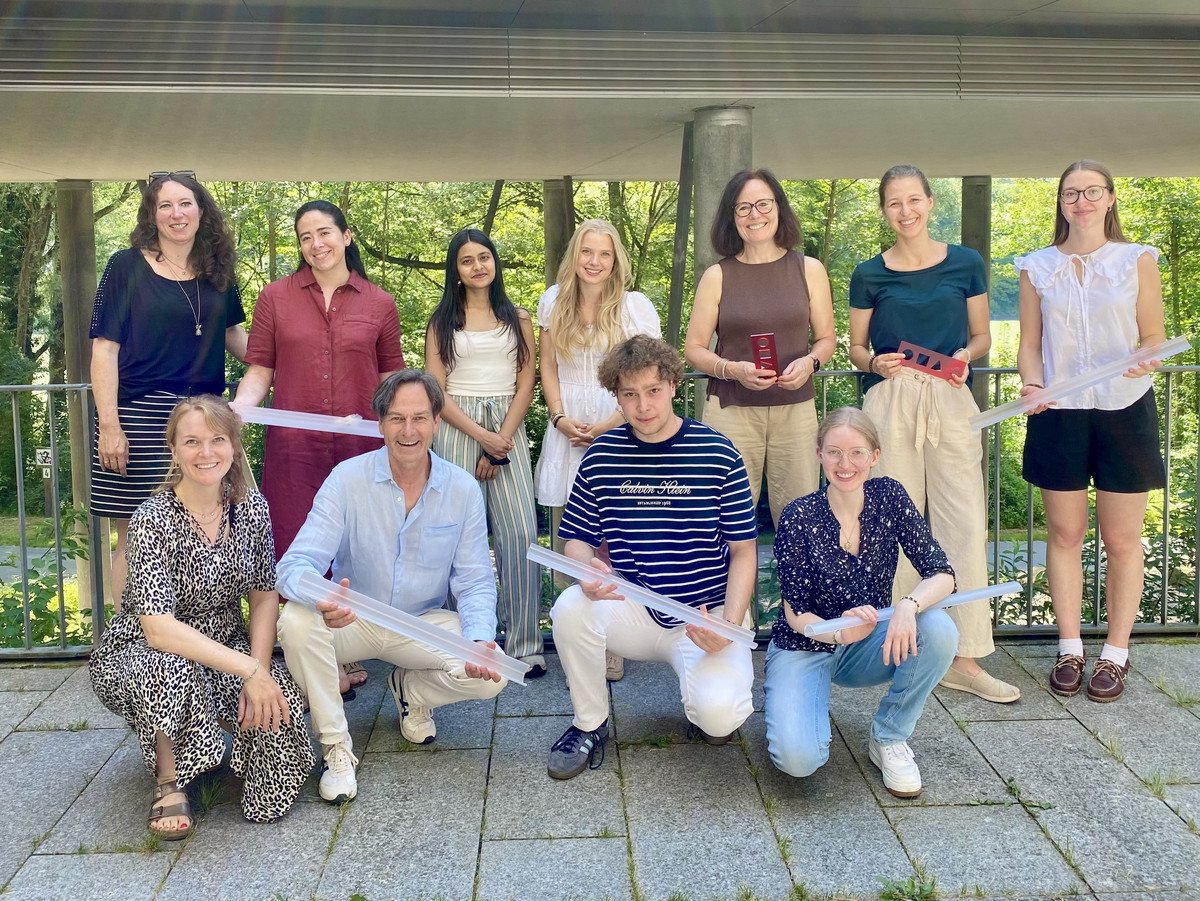
On June 25, 2026, the Chair of Intercultural Communication held a workshop attended by the chair’s staff, doctoral candidates, and students. The goal of the workshop was to familiarize participants with specific Metalog tools and to facilitate and reflect on corresponding learning experiences. Metalog tools are based on experiential learning and include flexible learning projects and exercises. The learning content and topics — such as communication, teamwork, roles, leadership, and change — are presented in a way that makes them vivid and tangible for all participants. This holistic learning method facilitates interactive, collaborative learning, reflection, and the application of learning experiences to everyday life. Despite the high temperatures, the twelve participants benefited from the workshop, whose individual exercises were facilitated partly by Professor Barmeyer and partly by staff members and doctoral students. The workshop took place in a stimulating, lighthearted atmosphere.
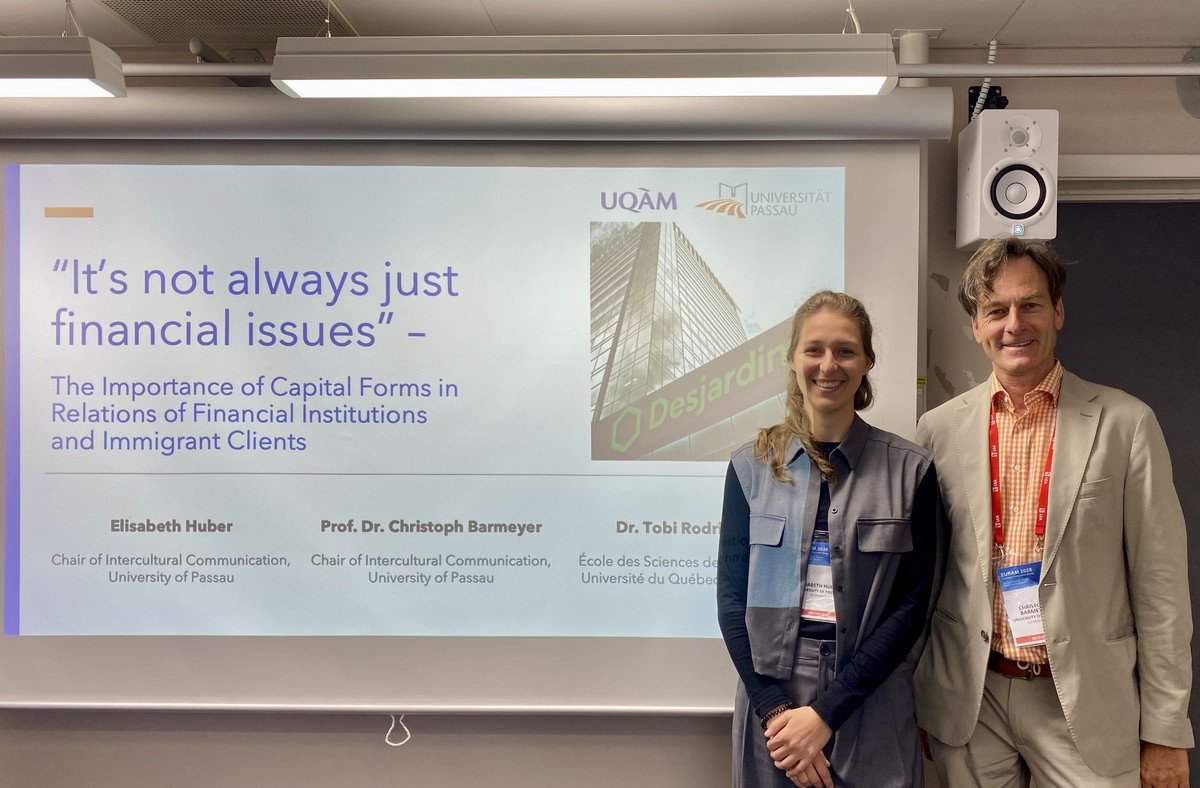
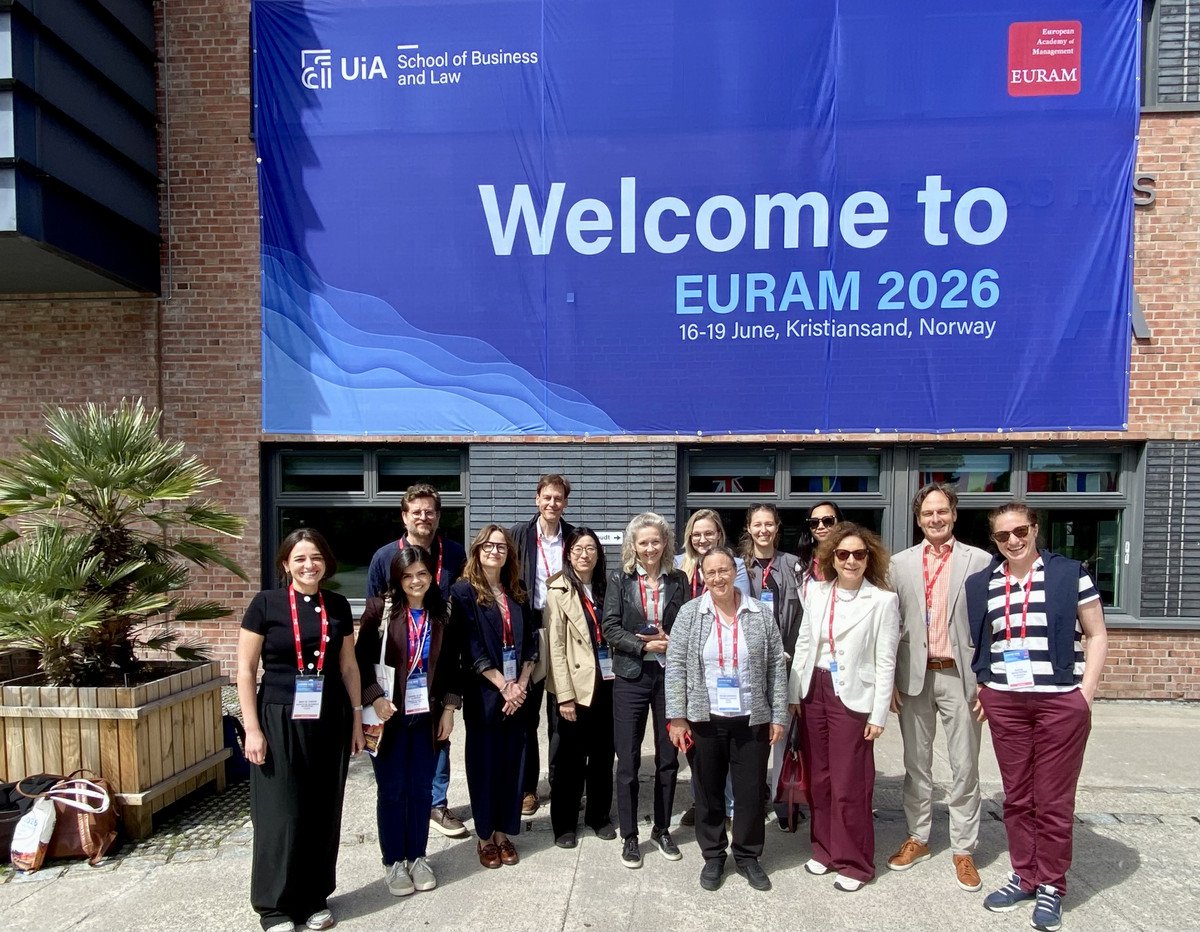
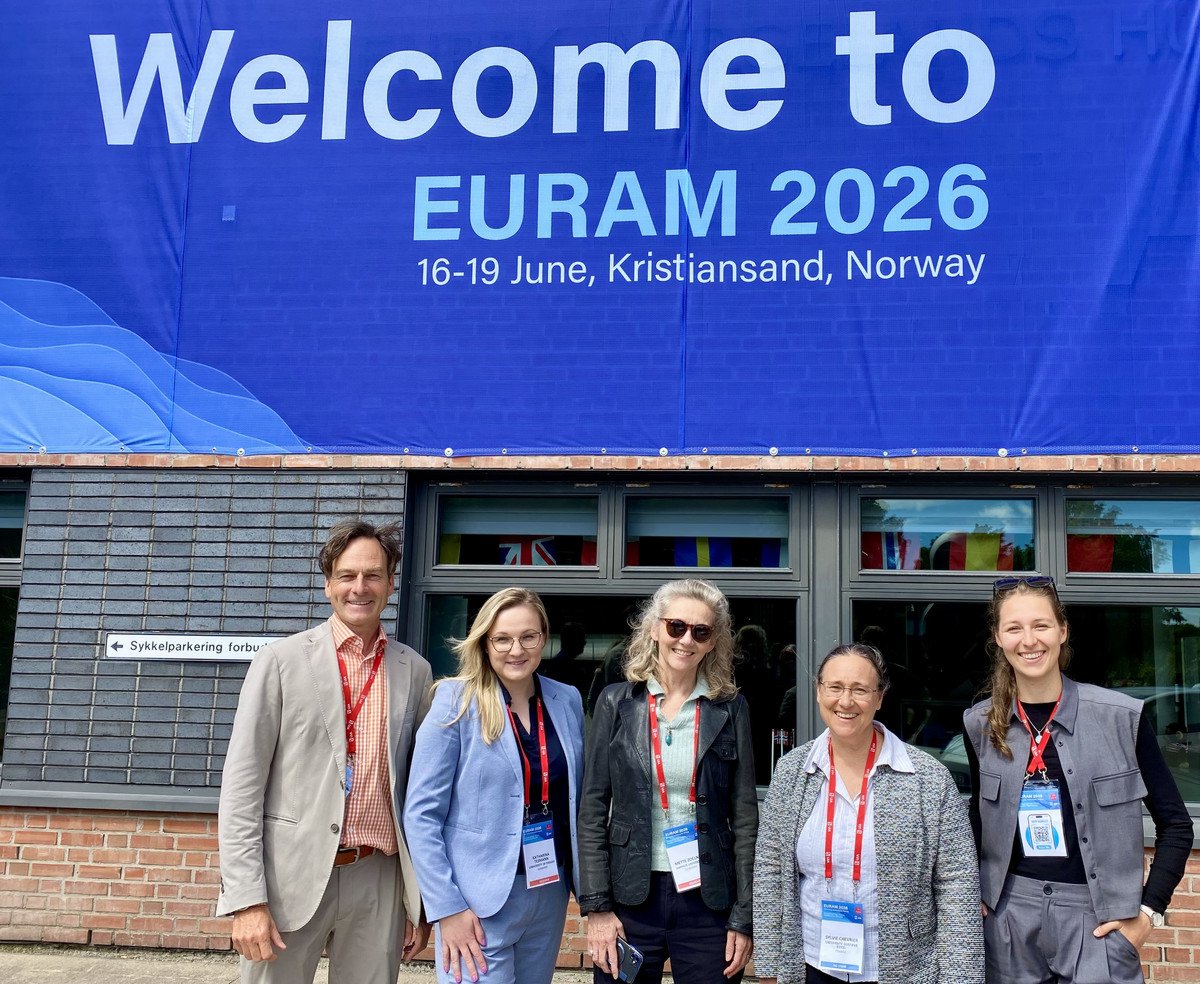

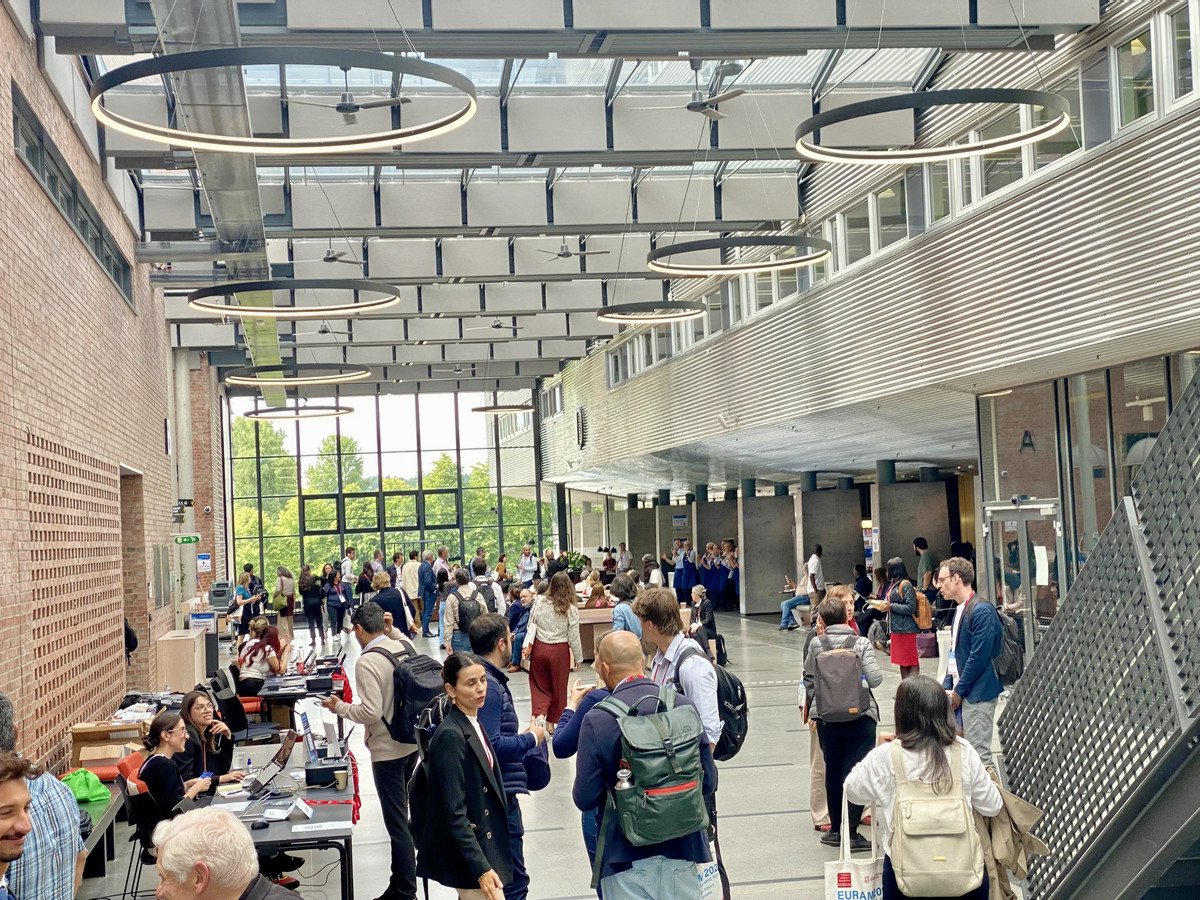
For the 10th consecutive year, Prof. Christoph Barmeyer, together with Professors Sylvie Chevrier (Université Gustave Eiffel, Paris-Est) and Mette Zølner (University of Aarhus), organized a track as part of the 26th EURAM (European Academy of Management) Conference. The conference took place from June 16 to 19, 2026, at the University of Agder in Kristiansand, Norway, and featured about 1,800 presentations.
For many years, the session “Management and Cultures: Qualitative Organizational Research” has explored the complex role of cultures and interculturality in organizations using qualitative methods. This year, 14 presentations in the session examined the various facets of intercultural management. Topics included diversity and inclusion in multinational companies, authentic leadership in intercultural contexts, acculturation models of intercultural competence, intercultural self-reflection among migrant researchers, the use of theater to strengthen intercultural competence, cultural segregation of South Asian employees in the Gulf States, and the importance of “voice” in Pakistani management.
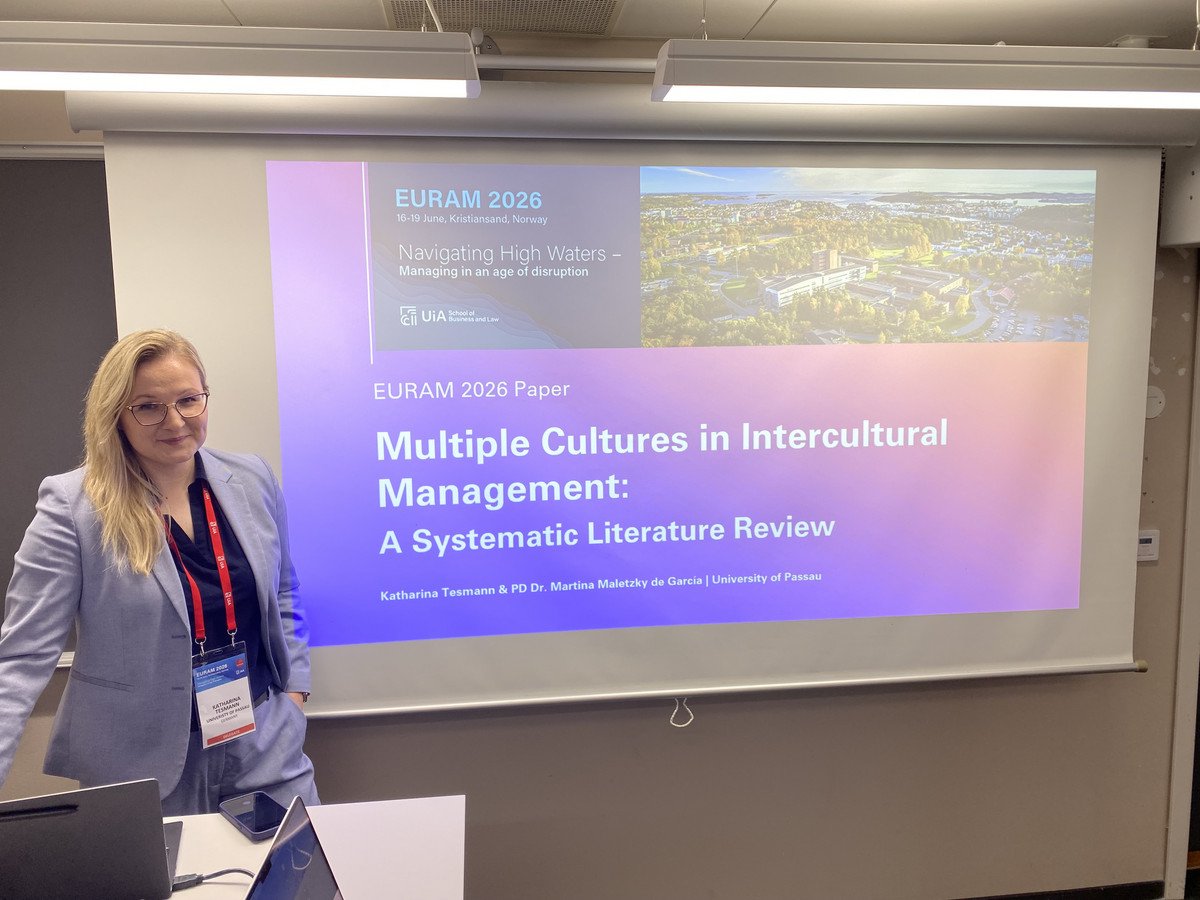
The Chair of Intercultural Communication was also represented by Elisabeth Huber and Professor Christoph Barmeyer, who gave a presentation titled “It’s not always just financial issues – The Importance of Capital Forms in Relations between Financial Institutions and Immigrant Clients,” as well as by external doctoral candidate Katharina Tesmann, who spoke on “Multiple Cultures in Intercultural Management: A Systematic Literature Review.”
We thank all participants for their insightful and valuable contributions, as well as for the constructive and inspiring discussions, and we look forward to continuing the intercultural dialogue and cooperation next year (June 22–25, 2027) in Amsterdam.
![[Translate to Englisch:] 4. Québec-Bayern Forum](/fileadmin/_processed_/7/6/csm_QBF2026_1_3d3b991d7a.jpg)
![[Translate to Englisch:] 4. Québec-Bayern Forum](/fileadmin/_processed_/8/e/csm_QBF2026_Gruppenphoto_cb67123f9f.jpg)
![[Translate to Englisch:] 4. Québec-Bayern Forum](/fileadmin/_processed_/b/f/csm_QBF2026_18_656501ae0f.jpg)
![[Translate to Englisch:] 4. Québec-Bayern Forum](/fileadmin/_processed_/2/7/csm_QBF2026_3_58d8766dc7.jpg)
![[Translate to Englisch:] 4. Québec-Bayern Forum](/fileadmin/_processed_/4/c/csm_QBF2026_2_38d63ba7c8.jpg)
![[Translate to Englisch:] 4. Québec-Bayern Forum](/fileadmin/_processed_/3/7/csm_QBF2026_4_f14dcc3c3b.jpg)
![[Translate to Englisch:] 4. Québec-Bayern Forum](/fileadmin/_processed_/a/5/csm_QBF2026_5_6e55feab15.jpg)
![[Translate to Englisch:] 4. Québec-Bayern Forum](/fileadmin/_processed_/6/7/csm_QBF2026_6_5882e9b1be.jpg)
![[Translate to Englisch:] 4. Québec-Bayern Forum](/fileadmin/_processed_/6/c/csm_QBF2026_7_f47c3c4e02.jpg)
![[Translate to Englisch:] 4. Québec-Bayern Forum](/fileadmin/_processed_/d/b/csm_QBF2026_8_0d45c318c7.jpg)
![[Translate to Englisch:] 4. Québec-Bayern Forum](/fileadmin/_processed_/4/4/csm_QBF2026_9_082248d4d4.jpg)
![[Translate to Englisch:] 4. Québec-Bayern Forum](/fileadmin/_processed_/1/2/csm_QBF2026_10_21c7e7cb1b.jpg)
![[Translate to Englisch:] 4. Québec-Bayern Forum](/fileadmin/_processed_/6/f/csm_QBF2026_11_074ea9438e.jpg)
![[Translate to Englisch:] 4. Québec-Bayern Forum](/fileadmin/_processed_/d/d/csm_QBF2026_12_6c3e0028e8.jpg)
![[Translate to Englisch:] 4. Québec-Bayern Forum](/fileadmin/_processed_/5/5/csm_QBF2026_13_b50faf6e2a.jpg)
![[Translate to Englisch:] 4. Québec-Bayern Forum](/fileadmin/_processed_/8/b/csm_QBF2026_14_7e141d246a.jpg)
![[Translate to Englisch:] 4. Québec-Bayern Forum](/fileadmin/_processed_/3/0/csm_QBF2026_15_5901af7f81.jpg)
![[Translate to Englisch:] 4. Québec-Bayern Forum](/fileadmin/_processed_/8/e/csm_QBF2026_16_a3ed11735f.jpg)
![[Translate to Englisch:] 4. Québec-Bayern Forum](/fileadmin/_processed_/5/4/csm_QBF2026_17_112ff02224.jpg)
![[Translate to Englisch:] 4. Québec-Bayern Forum](/fileadmin/_processed_/b/3/csm_QBF2026_19_fce034a8ce.jpg)
On June 11, 2026, the 4th Québec-Bavaria Forum took place at the University of Passau – an intercultural platform for exchange and networking between Québec and Bavaria. Organized by the Chair of Intercultural Communication the event focused on the theme “Shaping the Future — Intercultural Perspectives.”
In a diverse program featuring expert presentations, practical examples, panel discussions, and startup pitches, experts from academia, business, and civil society in Bavaria and Québec discussed approaches for shaping a better future. Topics such as aerospace and energy, as well as social concepts, language, and cities, played a role and highlighted the breadth of potential areas of action for influencing the future.
A key finding of the forum: The future can only be shaped together. Sustainable, innovative, and equitable solutions emerge where perspectives are combined and exchanged—and where cross-border cooperation succeeds. Intercultural collaboration thus once again becomes a decisive factor for the sustainability of our societies.
We would like to extend our sincere thanks to the Bavarian State Chancellery, the Association of Friends and Supporters of the University of Passau, the Alumni Club, the kuwi Network, and the Neuburger Gesprächskreis for their generous financial support, which contributed significantly to the success of the 4th Québec-Bavaria Forum and made this inspiring and cross-border exchange possible.

Passau, June 16, 2026 – Bringing people from different countries and cultures together, fostering encounters and enabling international friendships: under the motto “Intercultural exchange through food, drink, games and fun”, the University of Passau hosted an International Picnic in Bschüttpark.
The event was organised by the International Support Services (ISS) at the University of Passau and supported by students from the project seminar led by PD Dr Martina Maletzky de García.
Students from all over the world were invited to spend an evening together filled with conversation, physical activity and cultural diversity. International food and drinks provided a relaxed setting for socialising and conversation. Interactive warm-up activities helped participants get to know one another by breaking down barriers and encouraging interaction.
In addition to the icebreaker games, the programme included various leisure activities. Participants were able to get active playing volleyball or badminton, whilst music created a relaxed and convivial atmosphere.
Intercultural understanding thrives on encounters. The International Picnic offers students the opportunity to get to know people from different cultural backgrounds, share experiences and gain new perspectives.
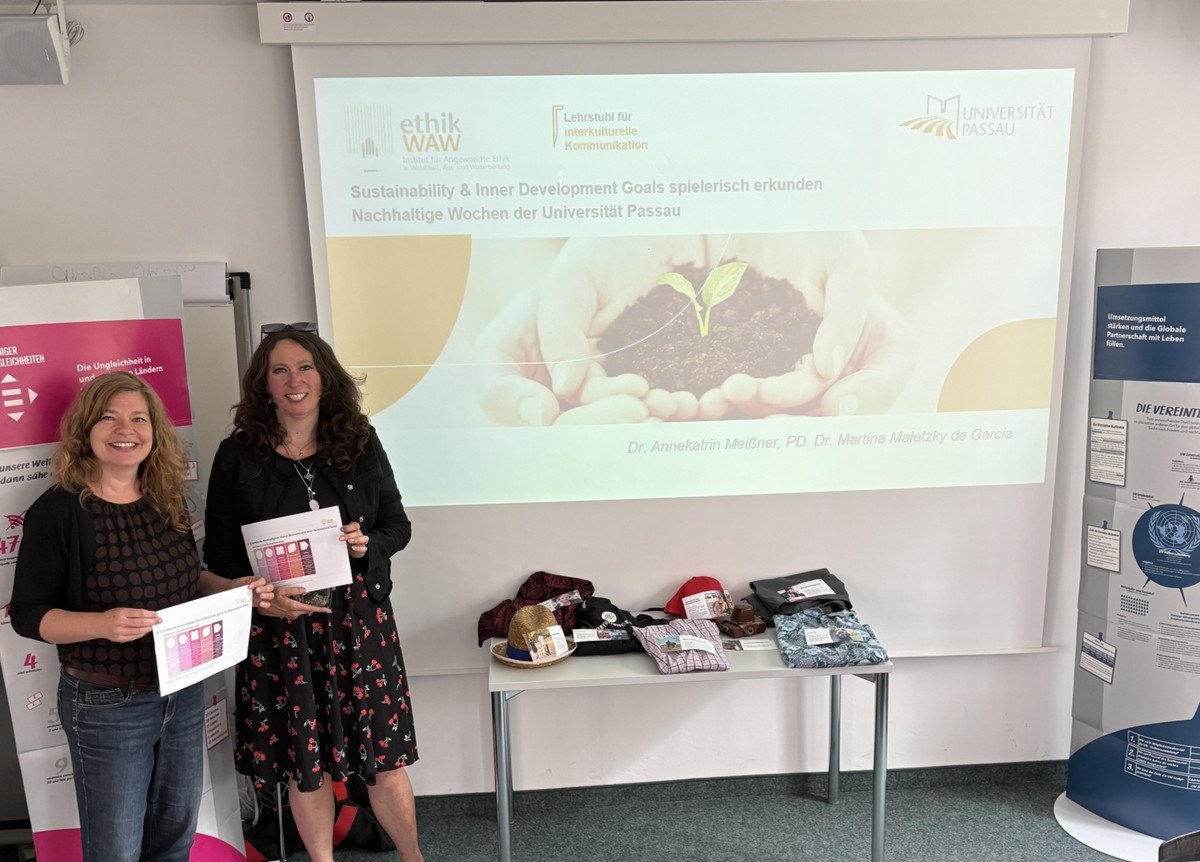
Passau, June 16, 2026 – As part of the University of Passau’s Sustainability Weeks, Dr Meißner from the Institute for Applied Ethics in Business, Education and Continuing Professional Development (Ethik WAW) (left in the picture) and PD Dr Maletzky de García from the Chair of Intercultural Communication (right in the picture) are presenting an IDG trail, which was designed and implemented by students.
The trail brings the so-called Inner Development Goals (IDGs) to life and highlights their significance for the implementation of the United Nations’ Sustainable Development Goals (SDGs). Whilst the SDGs set out specific social and environmental sustainability targets, the IDGs focus on the personal skills and abilities required to successfully achieve these goals.
At various stations, visitors can interactively explore and reflect on the five dimensions of the Inner Development Goals – Being, Thinking, Relationships, Collaboration and Action. The trail invites visitors to engage with questions of personal development, ethical responsibility and social transformation.
The IDG trail thus illustrates how the Inner Development Goals ‘underpin’ the Sustainable Development Goals and can support their implementation at both an individual and a societal level.
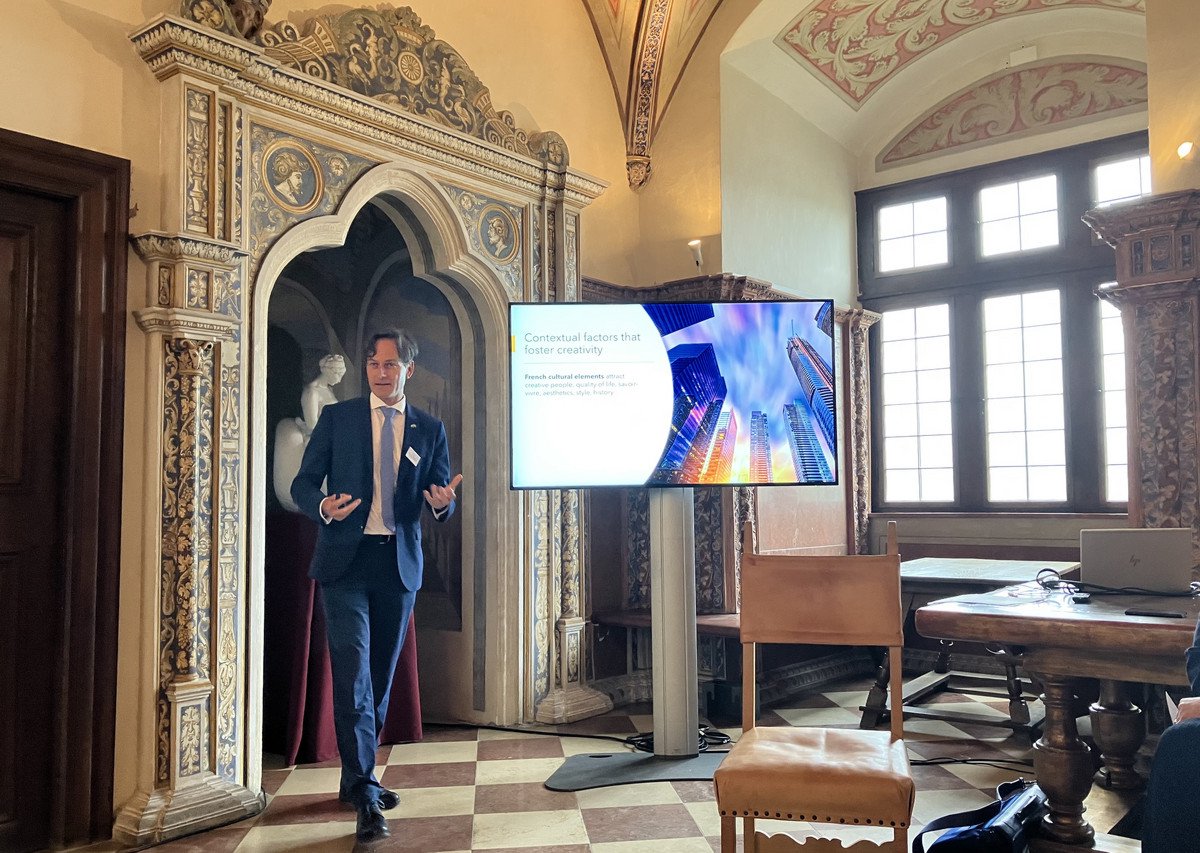
As part of the symposium organised by the Neuburger Gesprächskreis at the University of Passau on the theme “Hidden Regions & Champions – How Diplomacy and Knowledge Open Up New Markets” (regions such as Ethiopia, Tel Aviv/Israel, South Tyrol/Italy, Québec/Canada and Kyiv/Ukraine) on June 12, 2026, Professor Christoph Barmeyer coordinated the breakout session on Québec and Québec-Bavaria relations.
Alongside the General Delegate of the Government of Québec in Munich, Geneviève Rolland, and the Head of the Representative Office of the Free State of Bavaria in Montréal, Dr Daniel Etzel, Professor Barmeyer gave a keynote address on Québec as a centre of knowledge and on Montréal as a creative city. The presentations highlighted Québec’s cultural distinctiveness and its appeal as a hub for innovation and business. The presentations and discussions with the interested audience also underscored the enrichment brought about by the numerous collaborations in research and education, politics, culture and business between Québec and Bavaria, which have been in place since 1989.
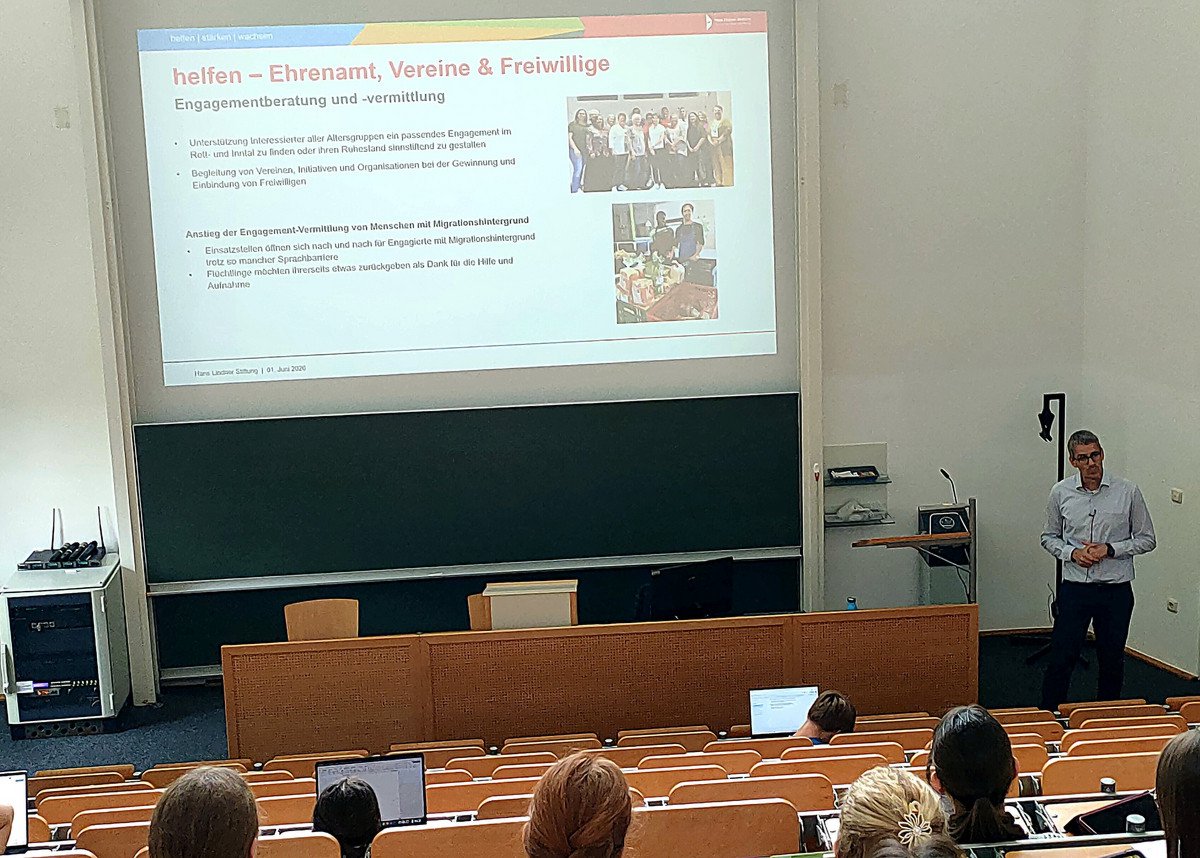
As part of a guest lecture series in the context of the lecture "Introduction into Intercultural Communication" conducted by PD Dr. Martina Maletzky de García, the Chair of Intercultural Communication welcomed Christian Schläger from the Hans Lindner Foundation on June 01, 2026. As project manager to imparting values and education, he provided participants with fascinating insights into the foundation’s work and its international activities at its overseas branch in Uganda.
Christian Schläger began by presenting the diverse fields of activity of the Hans Lindner Foundation. In particular, he explained the foundation’s key priorities in the areas of education, personal development and values education, which it pursues both in Germany and internationally.
The presentation focused on the question of how foundation work can be shaped in different social and cultural contexts. Drawing on the Hans Lindner Foundation’s experiences in Uganda, Schläger demonstrated that successful concepts and practices from Germany cannot simply be transferred to other countries. Rather, the implementation of projects on the ground requires a careful recontextualisation of the measures.
Institutional structures, legal frameworks and cultural characteristics have a significant influence on the design and implementation of education and development projects. The speaker emphasised that sustainable impact can only be achieved if programmes and methods are adapted to the specific local circumstances. Taking into account the needs and perspectives of local people is a key factor for success.
The guest lecture offered participants valuable insights into the challenges and opportunities of international foundation work. The practical examples from Uganda impressively demonstrated how important cultural sensitivity and context-specific adaptations are for the success of education and development projects.
We would like to thank our guest speakers for their ongoing commitment and for sharing their practical insights!
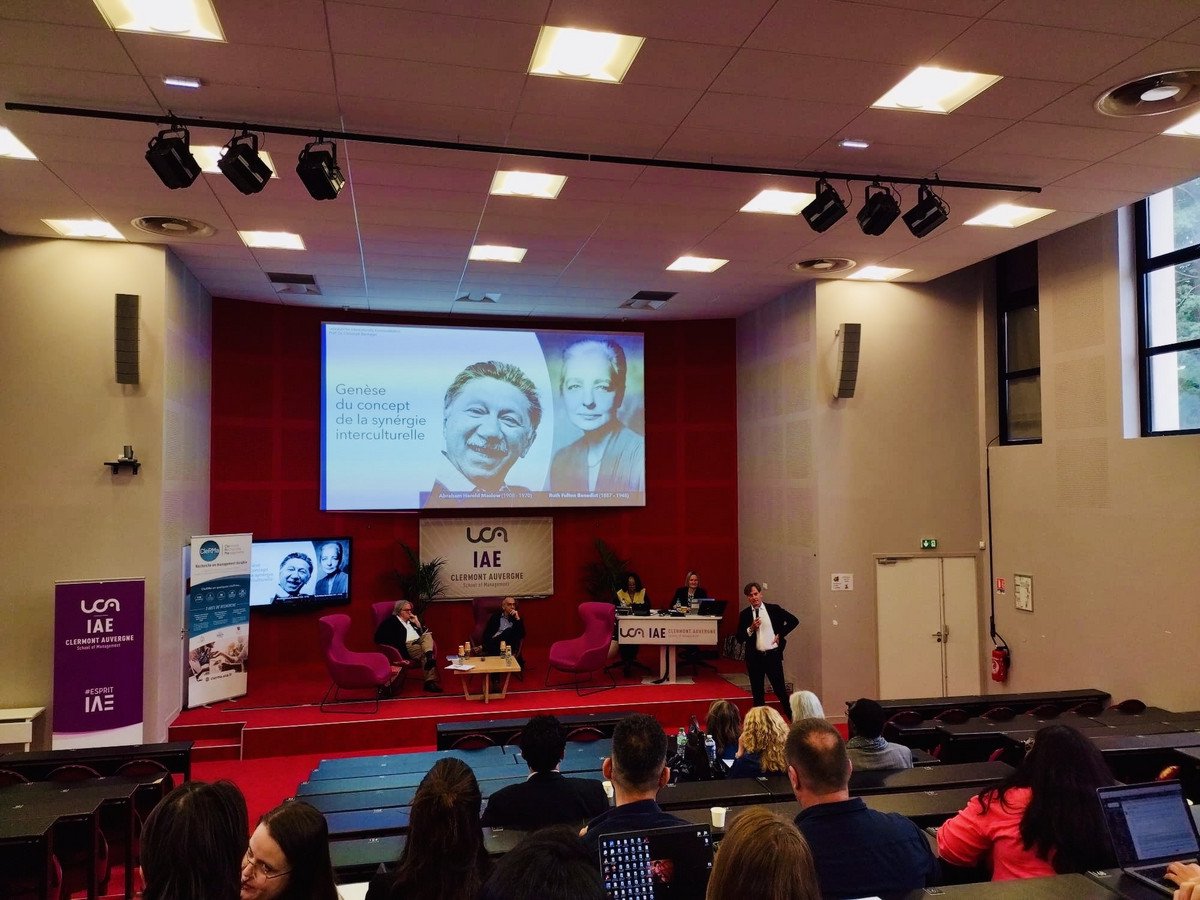
Professor Christoph Barmeyer attended the 16th ATLAS AFMI Conference on the theme of “Management International et Territoires” from May 18 to 20, 2026 at the University Clermont Auvergne. The conference addressed the tension between globalisation and localisation (“Territoire”). Firstly, he gave a presentation on the ongoing research project in Montréal (in collaboration with Elisabeth Huber and Dr Tobi Rodrigue from the Université du Québec à Montréal) entitled “Bank advisors as intercultural boundary spanners of immigrant integration? A case study of the Desjardins Group”. Secondly, he took part in a plenary session on the topic of “International Business Research in a Fragmented World” alongside Prof. Pierre-Xavier Meschi (IAE Aix-en-Provence) and Prof. Jean-François Chanlat (Université Paris-Dauphine), focusing in particular on constructive intercultural aspects such as interdisciplinarity, multilingualism, interculturalism and biculturalism. During the conference, Professor Barmeyer was able to discuss potential collaborative projects with other colleagues, including Professor Ulrike Mayrhofer (IAE Nice, Université Côte d'Azur), Hélène Langinier (EM Strasbourg) and the editor-in-chief of the journal Management International, Franck Barès (HEC Montréal). Overall, the conference offered inspiring research and the opportunity for personal, collegial exchange on relevant research topics in a pleasant atmosphere.
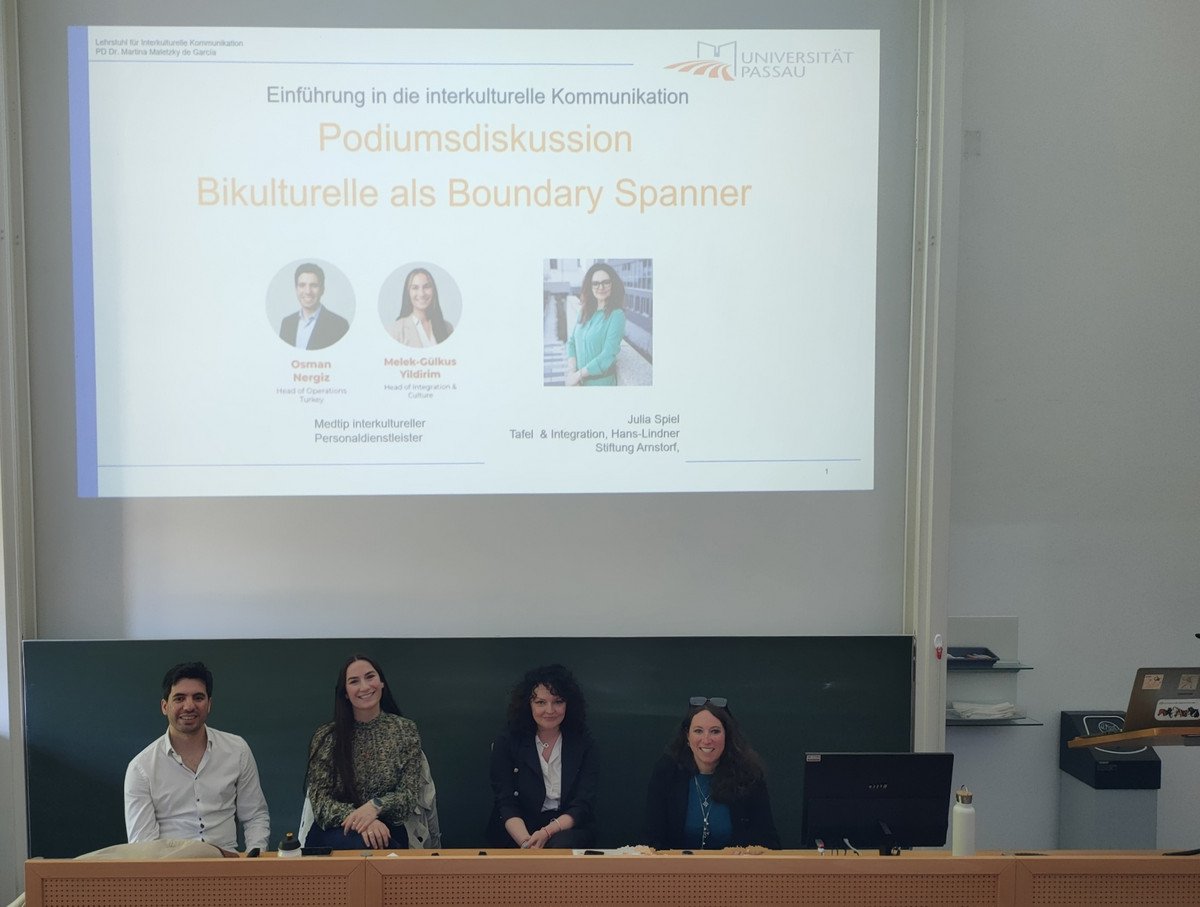
As part of the ‘Introduction to Intercultural Communication’ course, a panel discussion was held on the topic of ‘Bicultural Individuals as Boundary Spanners’. The focus was on the particular skills of people with a bicultural background and their role as mediators between different cultural, linguistic and social contexts.
The panellists were Osman Nergiz and Melek Yildirim from the Passau-based start-up Medtip, and Julia Spiel from the Hans Lindner Foundation, where she is responsible for integration and the food bank in the Rottal-Inn district. The three guests brought very different biographical perspectives to the discussion. Osman Nergiz spent most of his life in Turkey, but lived in Germany from early childhood. Melek Yildirim is a third-generation German-Turkish woman and has moved naturally between both cultural contexts since childhood. Julia Spiel immigrated to Germany from Ukraine in 2015 and spoke about her experiences as an immigrant and an advocate for integration.
During the discussion, it became clear that people from bicultural backgrounds often possess particular skills: they are able to understand different cultural ways of thinking, identify misunderstandings at an early stage, and mediate between different groups. It is precisely these abilities that make them so-called ‘boundary spanners’ – people who bridge cultural, linguistic or social boundaries, thereby facilitating communication and cooperation.
Using concrete examples from their professional practice, the panellists described how they apply these skills in their day-to-day work. Osman Nergiz and Melek Yildirim explained how their German-Turkish backgrounds help them to better understand cultural differences in the health and communication sectors and to build bridges between people with different experiences. Julia Spiel spoke about her work in the field of integration and at the food bank, where trust, cultural understanding and multilingualism are key prerequisites for successful support and collaboration.
The discussion made it clear that bicultural experiences not only present personal challenges, but also represent valuable resources for society, the economy and social work. Particularly in an increasingly diverse society, people who can act as mediators between different cultures are becoming ever more important. The event offered students fascinating insights into intercultural communication in practice and demonstrated in a practical way how bicultural skills can be harnessed as a social asset.
Tuzienka Chenet Ugarte receives the CIBUL Award for the best paper on contextualisation at the AIB-LAC conference in Lima, Peru
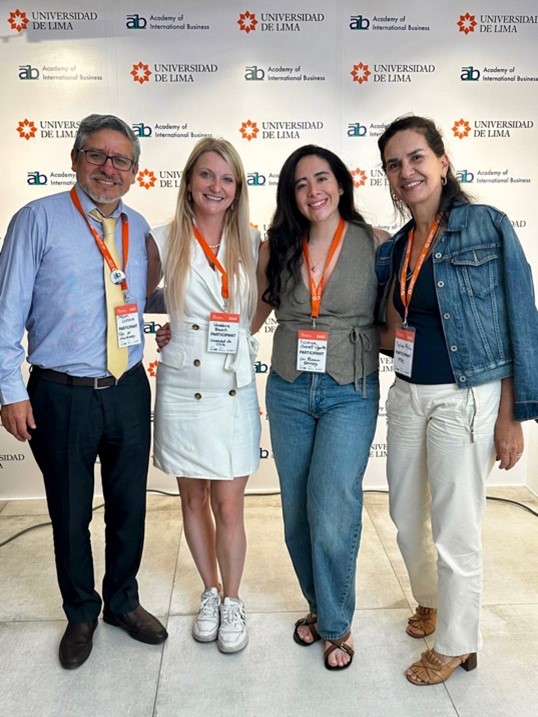
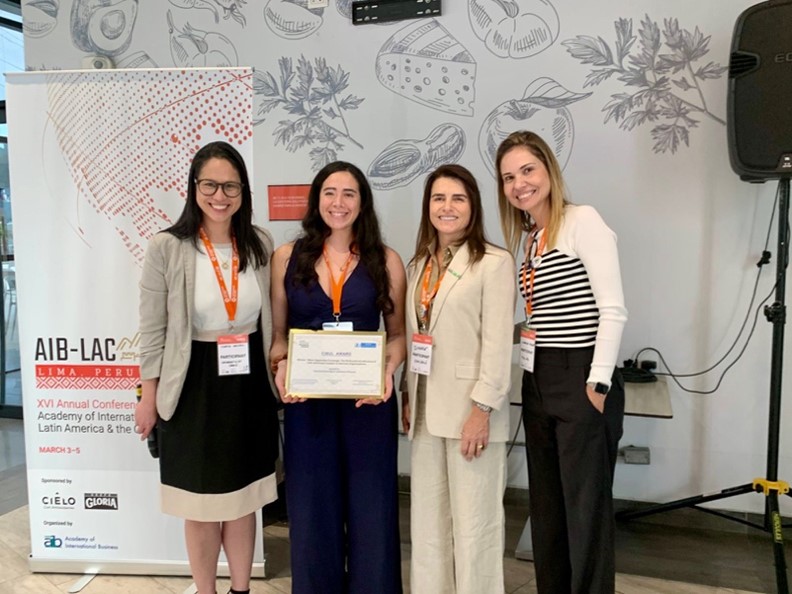
As part of the AIB-LAC Conference (Academy of International Business – Latin America and the Caribbean Chapter) held from March 03 to 05, 2026 in Lima, Peru, research associate Tuzienka Chenet Ugarte presented her study, entitled "When Opposites Converge: The Multicultural Influence of Latin American Leaders in German Organisations”. The annual conference is a key platform for exchanging current research and networking within the international AIB community, particularly focusing on the Latin American region.
Her research examines how Latin American leaders interact within German organisations, exploring the extent to which their multicultural backgrounds influence their leadership styles, decision-making processes and organisational dynamics. This study makes an important contribution to understanding context-sensitive and intercultural leadership in different cultural and regional settings. In recognition of this contribution, Tuzienka Chenet Ugarte received the CIBUL Award for Contextualisation from the Academy of International Business (AIB)'s Latin America & the Caribbean Chapter. Jointly established by AIB-LAC and CIBUL, the award recognises the best paper presented at the conference in the field of international business that demonstrates an exceptional focus on contextualisation. The prize includes a £500 award, generously sponsored by the International Business Department at Leeds University Business School (LUBS). The scientific jury that conducted the blind review process consisted of distinguished scholars in the field, including Professor Jeremy Clegg, Dr Maria Alejandra Gonzalez-Perez, Dr Jorge Carneiro and Professor Catherine Welch.
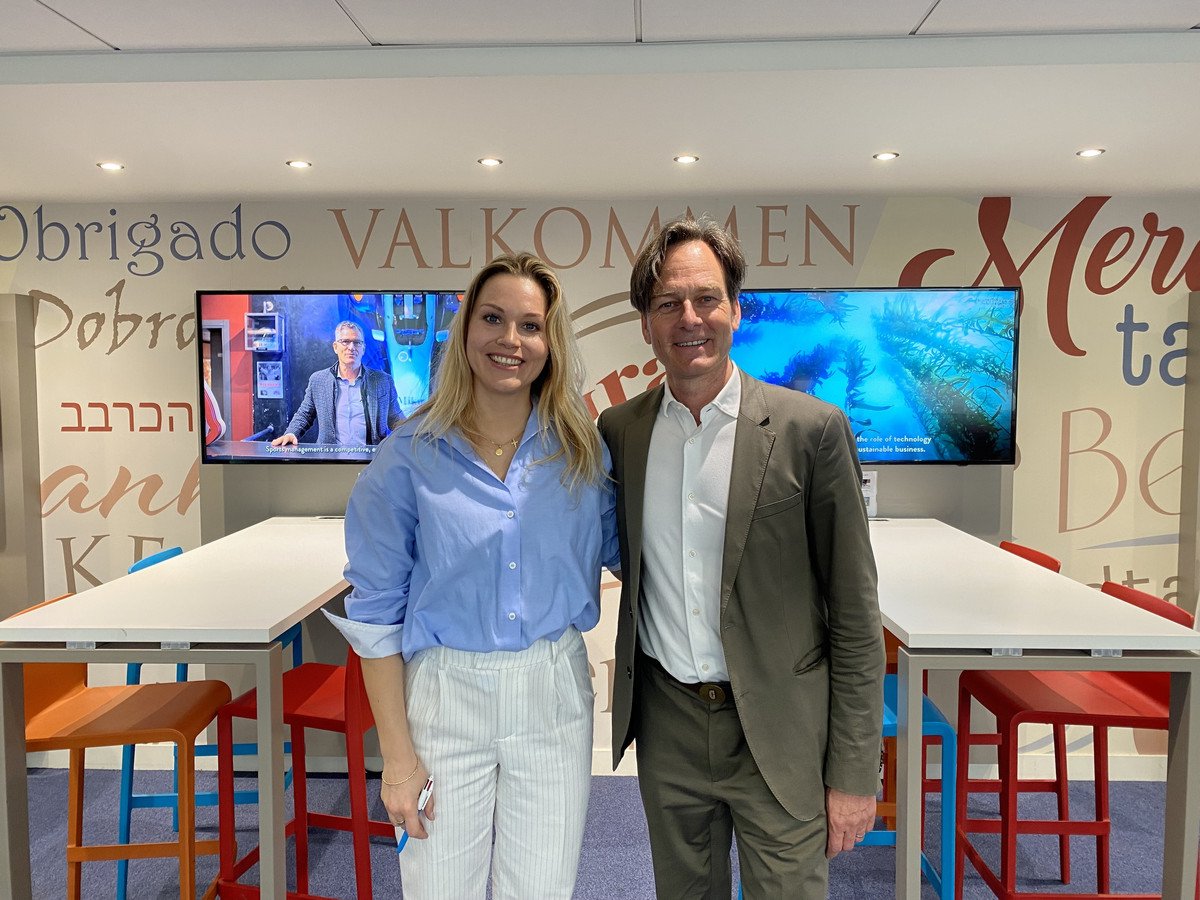
Professor Barmeyer stayed in Nice and Monaco from March 21 to 24, 2026, to discuss an intercultural research collaboration in the aerospace industry with Professor Ulrike Mayrhofer of the IAE Nice, Université Côte d’Azur. The focus is on innovation-oriented intercultural collaboration between various organizations and countries such as France, Germany, and Italy. Professor Barmeyer also met with Dr. Sina Grosskopf from the International University of Monaco (IUM) to work on upcoming journal articles and discuss a research collaboration on interculturality in organizations and urban contexts. On March 23, he gave a lecture at the IUM on constructive qualitative case studies.
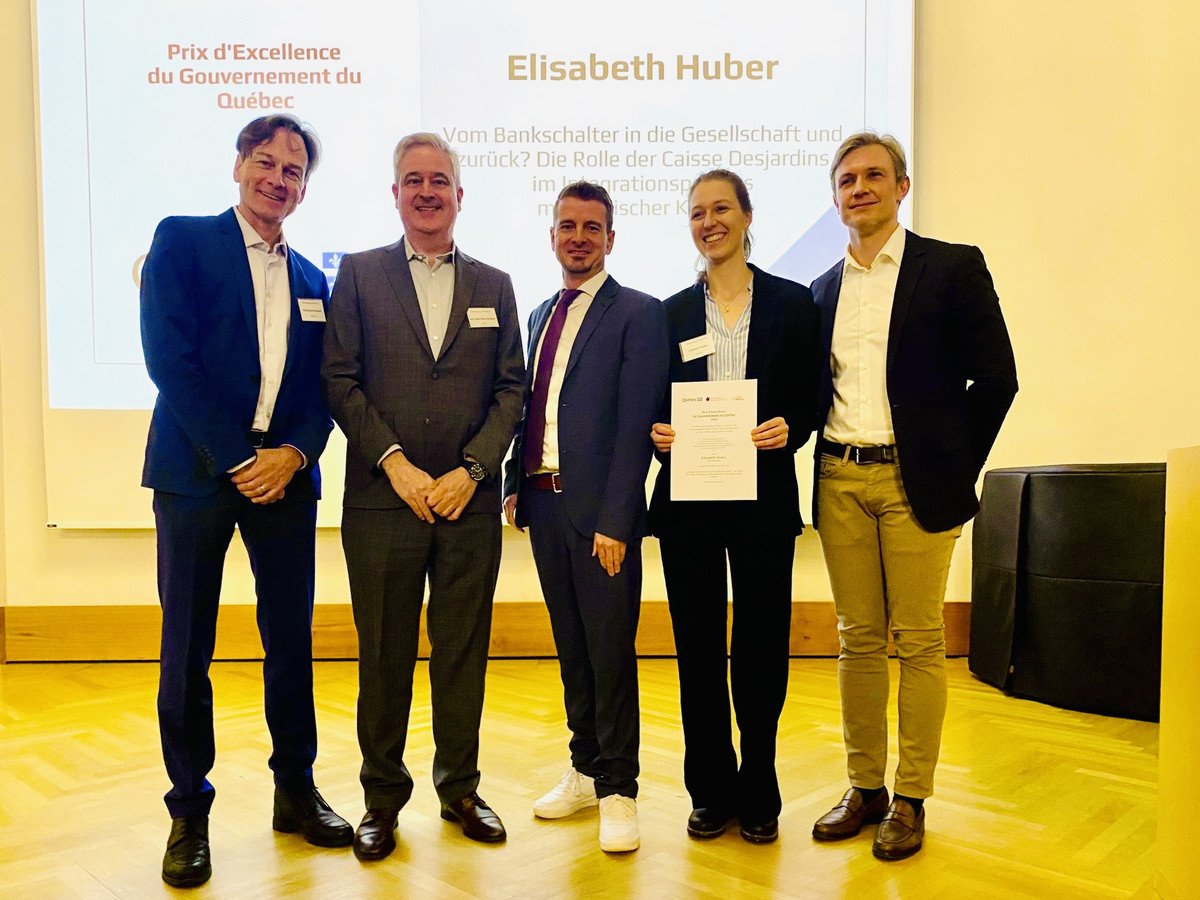
Elisabeth Huber, research assistant at the Chair of Intercultural Communication, was awarded the Prix d'Excellence of the Government of Québec on February 20, 2026, during the annual conference of the Gesellschaft für Kanada-Studien. The award recognizes her master's thesis entitled “From the bank counter to society and back? – The role of Caisse Desjardins in the integration process of migrant customers.”
Written as part of a research project by Professor Christoph Barmeyer and Tobi Rodrigue (Université du Québec à Montréal), the master's thesis examines the activities and approaches of the Caisses Desjardins cooperative bank in Québec and their impact on the social acculturation of its migrant customers. Based on a qualitative-interpretative analysis of 15 interviews with employees of the cooperative bank, the thesis particularly highlights the proactive and culturally sensitive banking practices that position the financial institution as an active player in integration.
The award was presented by Dr. Benedikt Miklós, Attaché for Politics, Public Affairs, and Cooperation of the Government of Québec in Munich. The Prix d'Excellence du Gouvernement du Québec is awarded annually by the Gesellschaft für Kanada-Studien (GKS) in cooperation with the Association Internationale des Etudes Québécoises (AIÉQ) for outstanding work in the field of Québec studies and is endowed with 3,000 Canadian dollars.
It is particularly pleasing that this prize has once again been awarded to an alumna of the International Cultural and Business Studies program and an employee of the chair. Maria Wilhelm already received the prize in 2020 for her master's thesis. The chair's holder, Professor Christoph Barmeyer, was also awarded this prize in 1995.
Finally, we would like to thank the Bavarian Research Alliance and the Max Weber Program Bavaria, whose generous support enabled the necessary research stays in Quebec for this project.
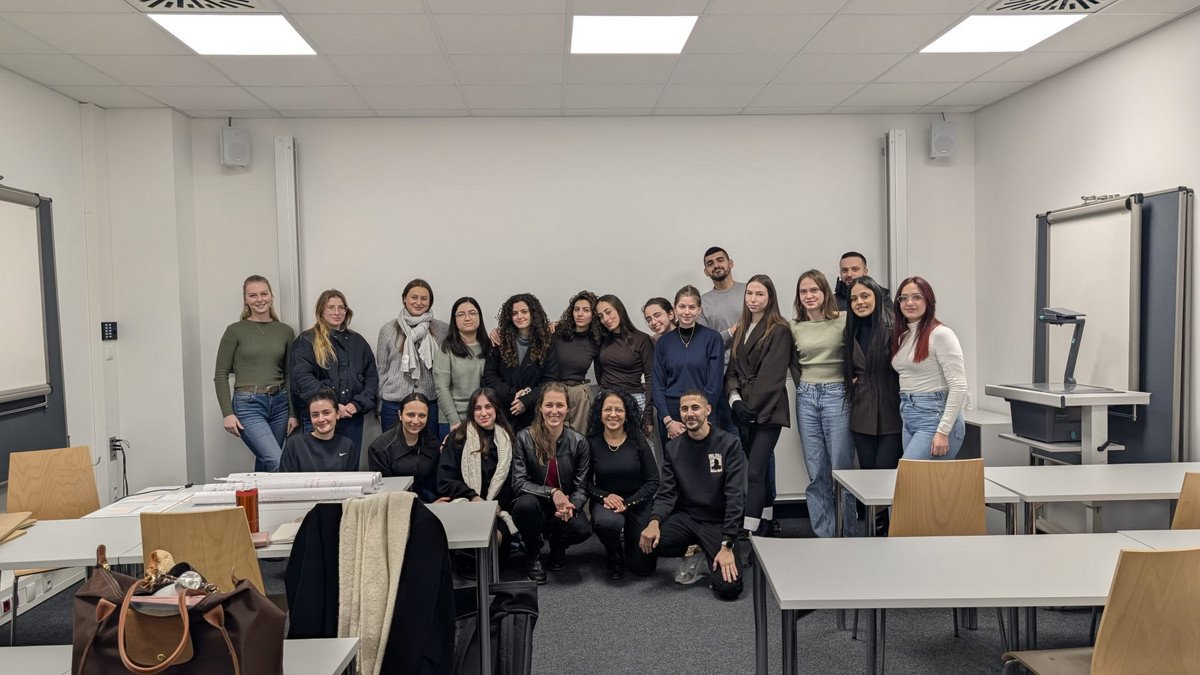
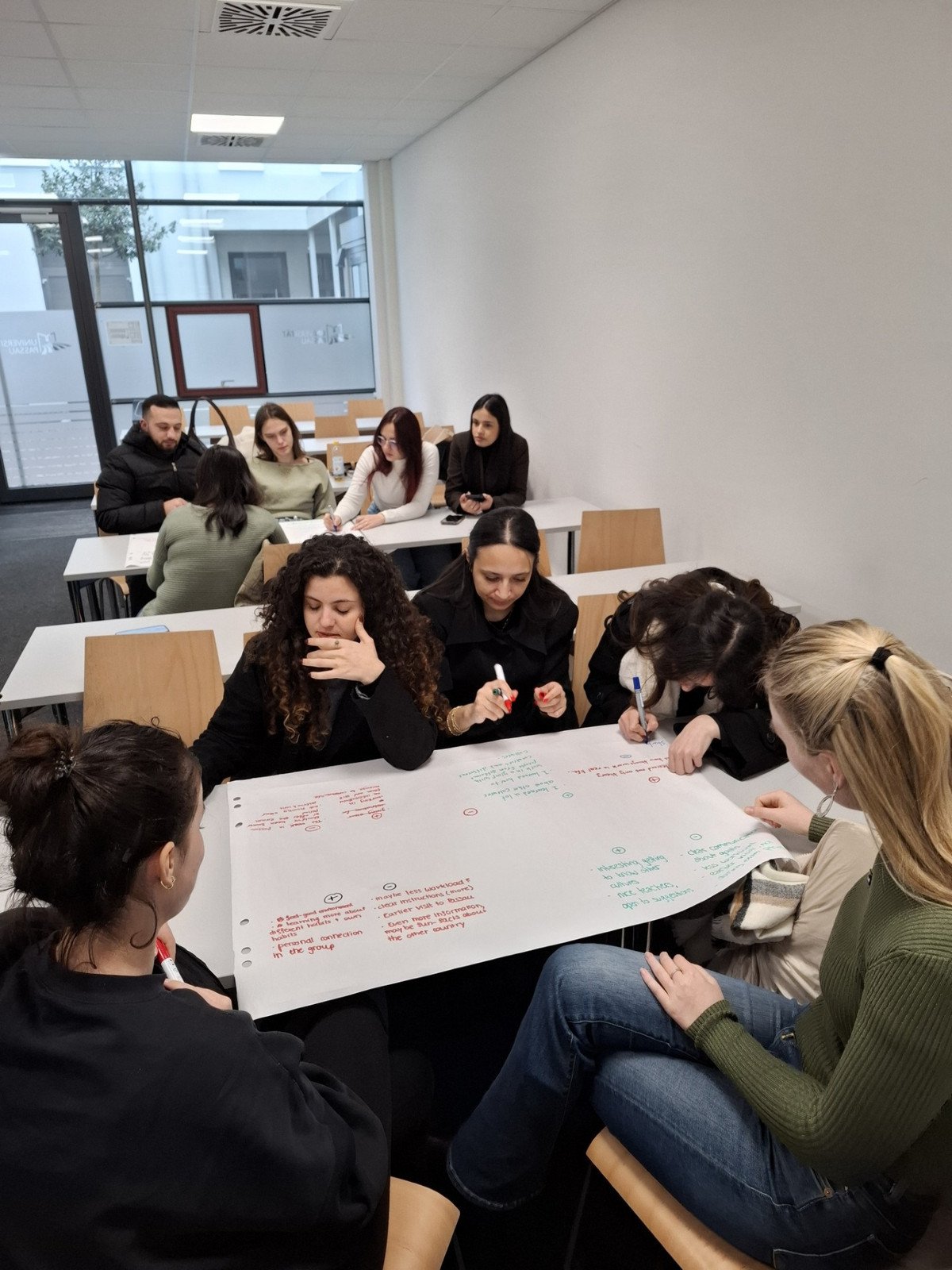
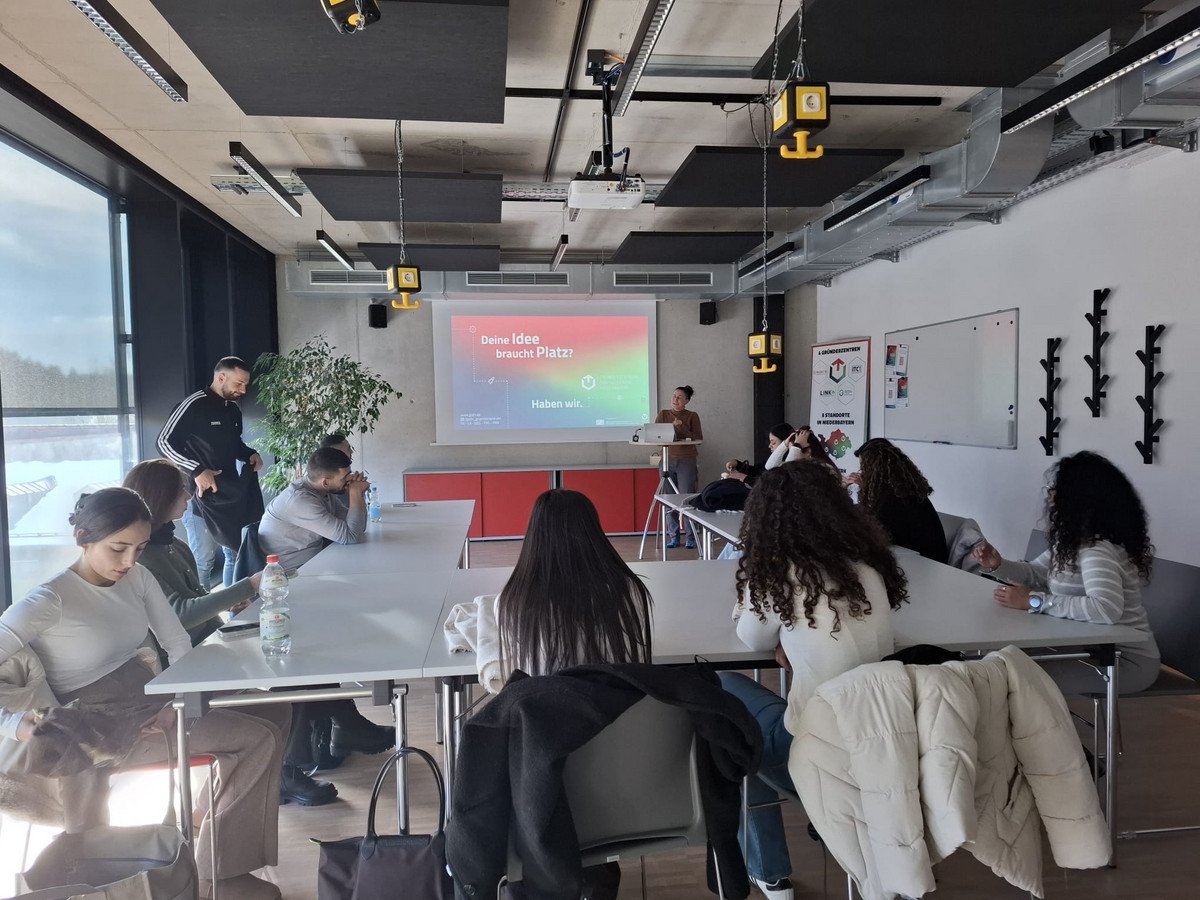
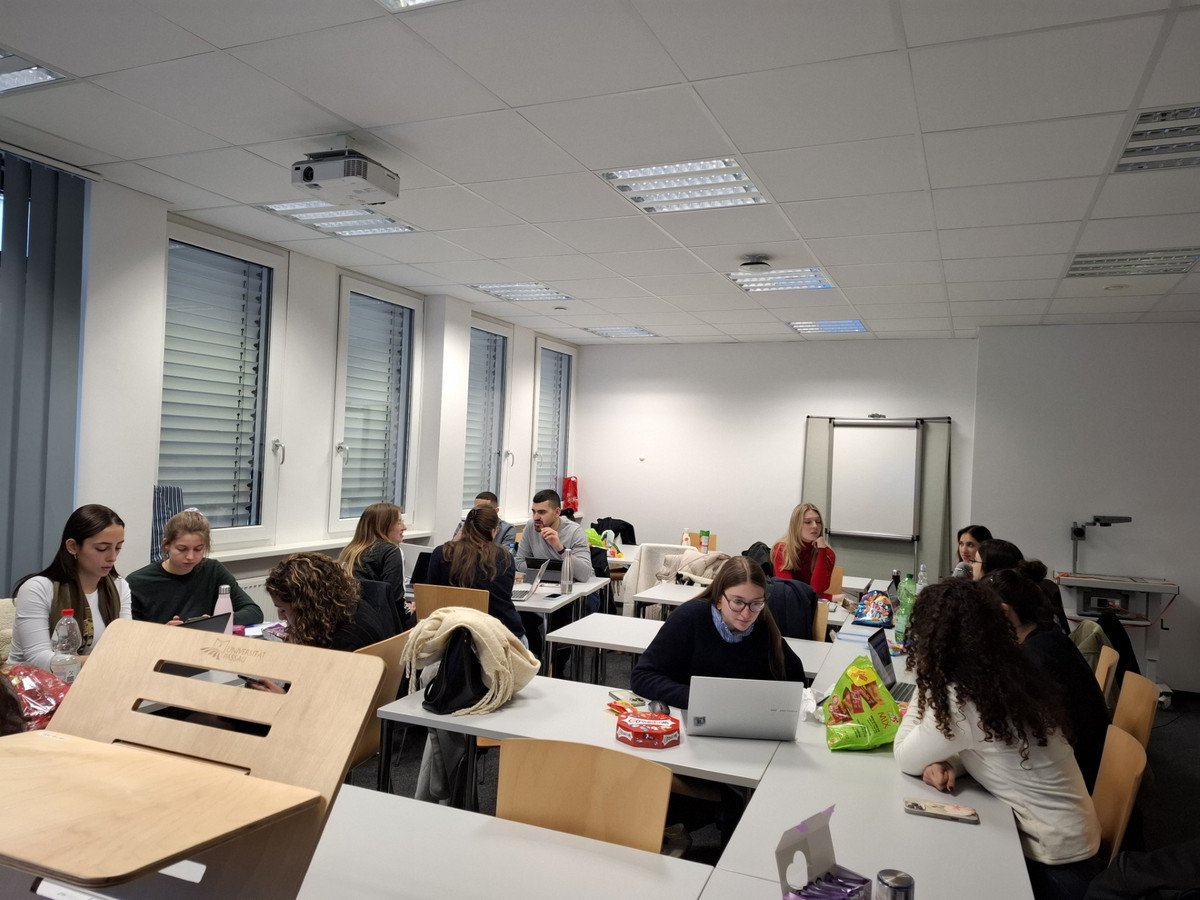
At the end of January 2026, a group of students from Tel Hai University spent a week at the University of Passau to engage intensively with interculturality in entrepreneurship. The visit was made possible with the help of Erasmus funding.
The visit took place as part of Elisabeth Huber's (Chair of Intercultural Communication) interdisciplinary proseminar on Intercultural Entrepreneurship, which was once again offered to bachelor's students from various disciplines in the winter semester and was conducted in a hybrid format in collaboration with Dr. Tali Hadasa Blank (Tel Hai University). In addition to basic introductions to theories and concepts of culture, interculturality, and dilemma theory, as well as entrepreneurship and the business model, a large part of the course involved working on case studies in culturally mixed groups: Based on the concepts they had learned, the students developed a case study on an innovative entrepreneurial project from Germany or Israel. This was based on an interview conducted by the students themselves with the founders, which was then evaluated and creatively processed with a view to the concepts. The focus was on the dilemmas faced by the founders, which offered direct insights into everyday entrepreneurial life and the various (inter)cultural and economic challenges in this context. The students thus had the opportunity to work on interesting entrepreneurial cases in a practical way, develop an understanding of the processes involved in founding a company, link theory and practice themselves, and experience and shape cooperation in intercultural and virtual teams.
During the week in Passau, the students were able to finalize their projects together and then present them. Feedback from the lecturers and the director of PATEC (Passau the Entrepreneurial Campus), Dr. Maria Diekmann, enabled the projects to be further refined. In addition to these content-related components of the week-long program, the schedule also included a visit to the campus and the city. A tour of the INN.Kubator (Passau start-up center) by Tamara Schneider (network manager) further provided in-depth insights into Passau's start-up ecosystem.
We would like to thank everyone involved in the program for their support, especially the founders who generously shared their time and expertise with the students. In addition, a big thank you goes to the International Office, whose continuous commitment made the intercultural entrepreneurship week possible in the first place.
![[Translate to Englisch:] EURAM Webinar](/fileadmin/dokumente/fakultaeten/geku/lehrstuehle/barmeyer/EURAM_Webinar.png)
At the invitation of EURAM (European Academy of Management), the winners of the EURAM Best Book Award 2025, Professor Christoph Barmeyer and Constanze Ruesga Rath, presented content from their book "Key Questions and Inspiring Answers in Cross-Cultural Management. Conversations with Leading Women Scholars," published by Edward Elgar. In their book, they address a fundamental question: How do our personal experiences shape the questions we ask as scholars, and how does our research in turn change our understanding of the world?
Based on personal interviews with twelve pioneering female scholars in the field of Cross-Cultural Management, the book highlights the dynamic interrelation between biography and scholarship, as well as the important conceptual and methodological contributions of these researchers. The EURAM webinar offered participants insightful perspectives and an authentic view of the past, present, and future of intercultural management research from a narrative perspective. This can also inspire young scholars in their research. The presentation was followed by a lively discussion. It was particularly enriching that many of the female scholars featured in the book were present and contributed to the discussion. The webinar was organized by Dr. Marine Condette, EURAM Executive Officer, and moderated by Professor Jatinder Sidhu, EURAM Vice President Research.
A video recording of the webinar can be found here.
![[Translate to Englisch:] Dozierendenteam](/fileadmin/_processed_/b/3/csm_Interkulturalit%C3%A4t_und_Nachhaltigkeit_Dozierendenteam__1__e72db8dded.jpg)
![[Translate to Englisch:] Acting Fühlpuzzle](/fileadmin/_processed_/e/1/csm_Interkulturalit%C3%A4t_und_Nachhaltigkeit_IDG_Acting_F%C3%BChlpuzzle_16fd7b3a62.jpg)
![[Translate to Englisch:] Being Maskenübung](/fileadmin/_processed_/5/9/csm_Interkulturalit%C3%A4t_und_Nachhaltigkeit_IDG_Being_Masken%C3%BCbung_3edfd64a86.jpg)
![[Translate to Englisch:] Thinking Anleitung](/fileadmin/_processed_/a/f/csm_Interkulturalit%C3%A4t_und_Nachhaltigkeit_IDG_Thinking_Anleitung_ed741ab37d.jpg)
As part of the interdisciplinary seminar "Sustainability & Inner Development Goals (IDG): Economic, Social and Cultural Perspectives,‘ students from Gymnasium Freudenhain tried out a course on the Inner Development Goals.
The course was developed with great dedication by students from various degree programmes under the direction of Dr Annekatrin Meißner (Institute for Ethics WAW), PD Dr. Martina Maletzky de García (Chair of Intercultural Communication) and Dr. Julia Blanc (Chair of Theological Ethics) with great dedication.
The aim of the seminar was to promote sustainability through practical experience, reflection and cultural comparison. The course comprises various exercises, each addressing a different aspect of the Inner Development Goals. Self-reflection, changing perspectives, empathising with other cultural realities, perception and goal-oriented communication were practised at individual stations along the course.
The tools will be available for loan as a methodology kit in the future. If you are interested, please contact PD Dr. Martina Maletzky de García (Martina.Maletzky-de-Garcia@uni-passau.de).
We would also like to express our sincere thanks to the Akademie N in Neumarkt and the Hans Lindner Foundation for providing an accompanying exhibition on Sustainable Development Goals.
The event shows how interdisciplinary learning can build bridges between science, school and practice, and how students can gain a lasting understanding of theoretical material by developing practical tools themselves.
![[Translate to Englisch:] PD Dr. Maletzky de Garcia und Birgit Gabriel](/fileadmin/_processed_/9/f/csm_Gastvortrag_Birgit_Gabriel_a383abd5ce.jpg)
As part of the lecture Introduction to Intercultural Communication and Intercultural Management, which is hold by PD Dr. Martina Maletzky de García (on the left), an exciting guest lecture by Birgit Gabriel took place on 14 January 2026. Under the title ‘Dealing with linguistic diversity in organisations – the example of ARTE’, she gave students a practical insight into the linguistic and cultural diversity of the European cultural broadcaster ARTE.
Ms Gabriel explained how linguistic diversity in a binational organisation is not only a logistical challenge, but also a great opportunity for intercultural learning and cooperation. Using ARTE as an example, she showed how institutional structures, communication strategies and translation processes are designed to promote equal exchange between the French and German editorial teams.
She paid particular attention to the everyday practice of language switching, the role of multilingualism in meetings and the importance of language skills for intercultural management. It became clear that at ARTE, language is not only a tool for communication, but also a central component of the corporate culture.
The lecture offered students valuable insights into the connection between theory and practice in intercultural communication – and showed how linguistic diversity can be successfully lived and used as a resource.
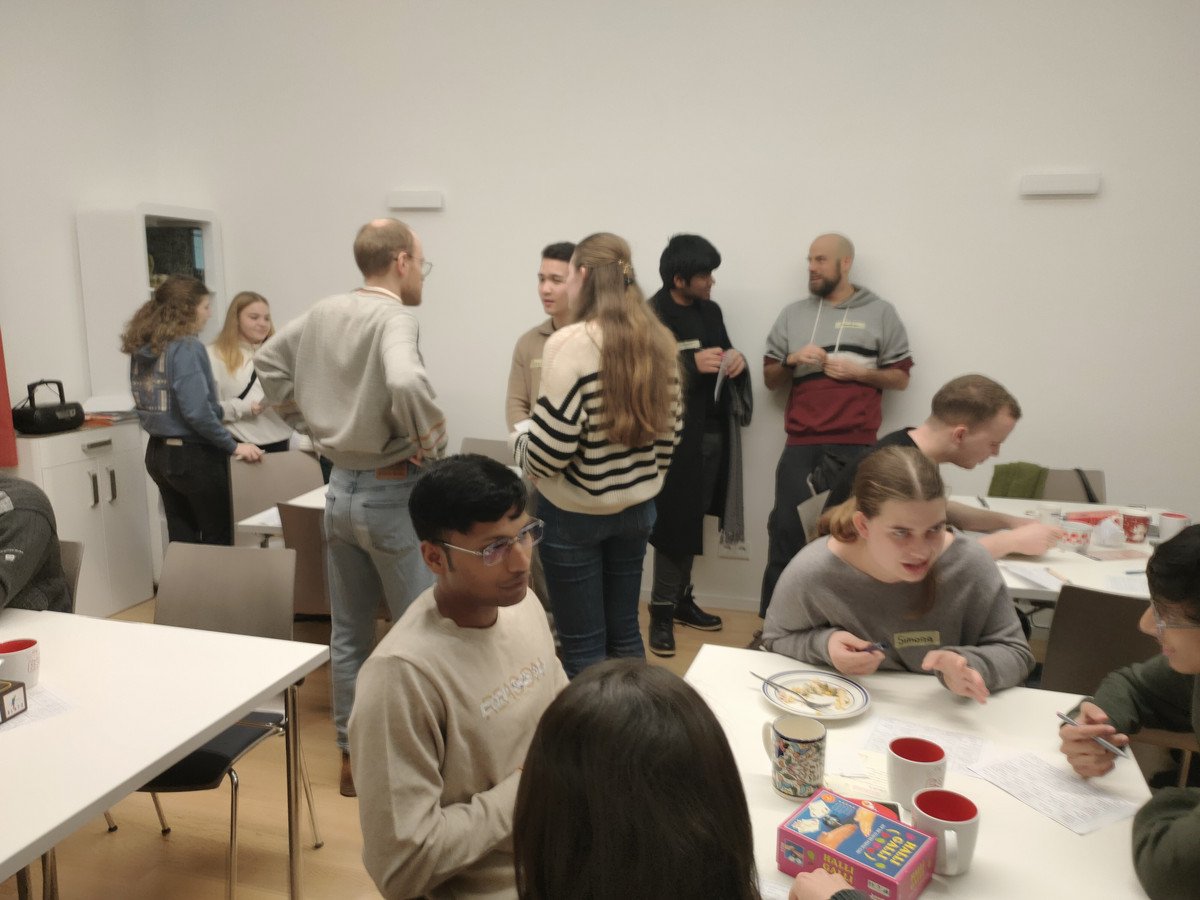
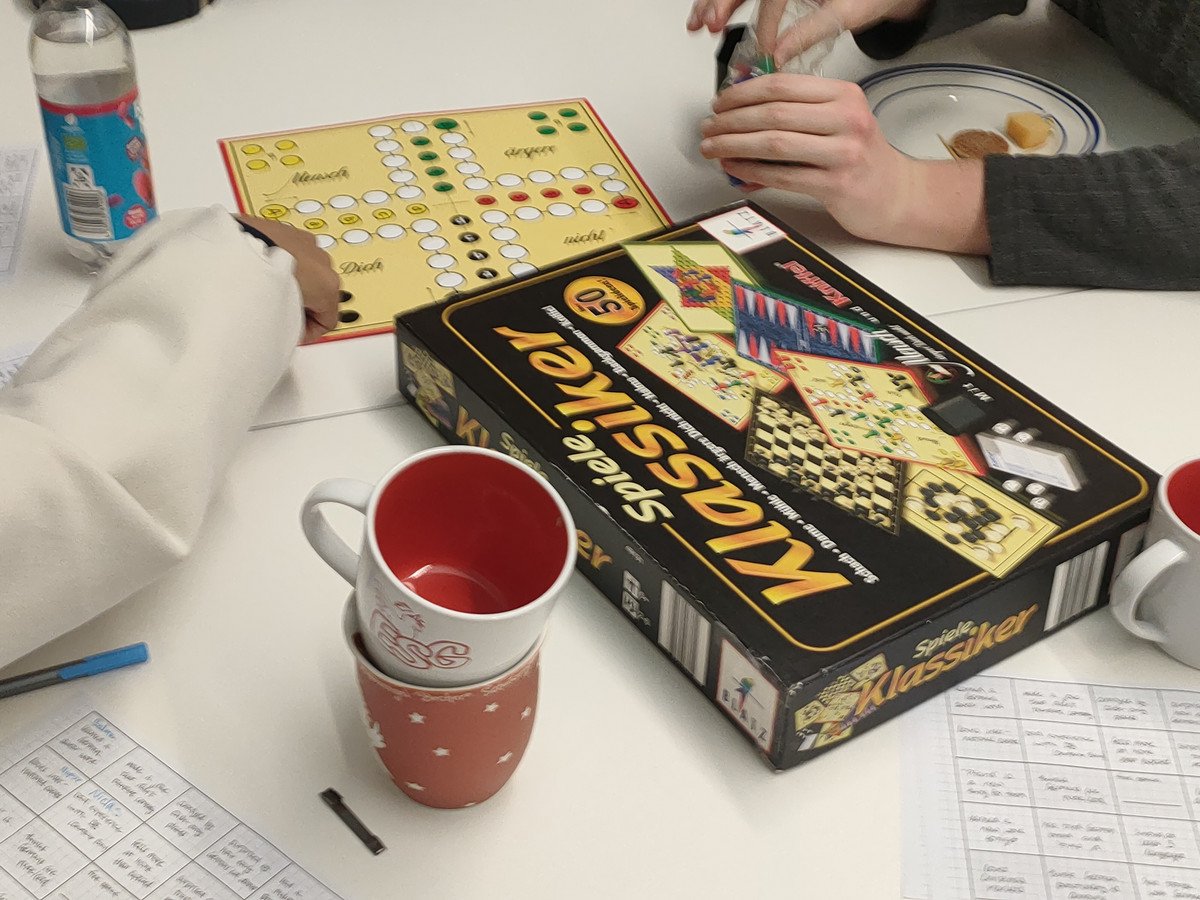
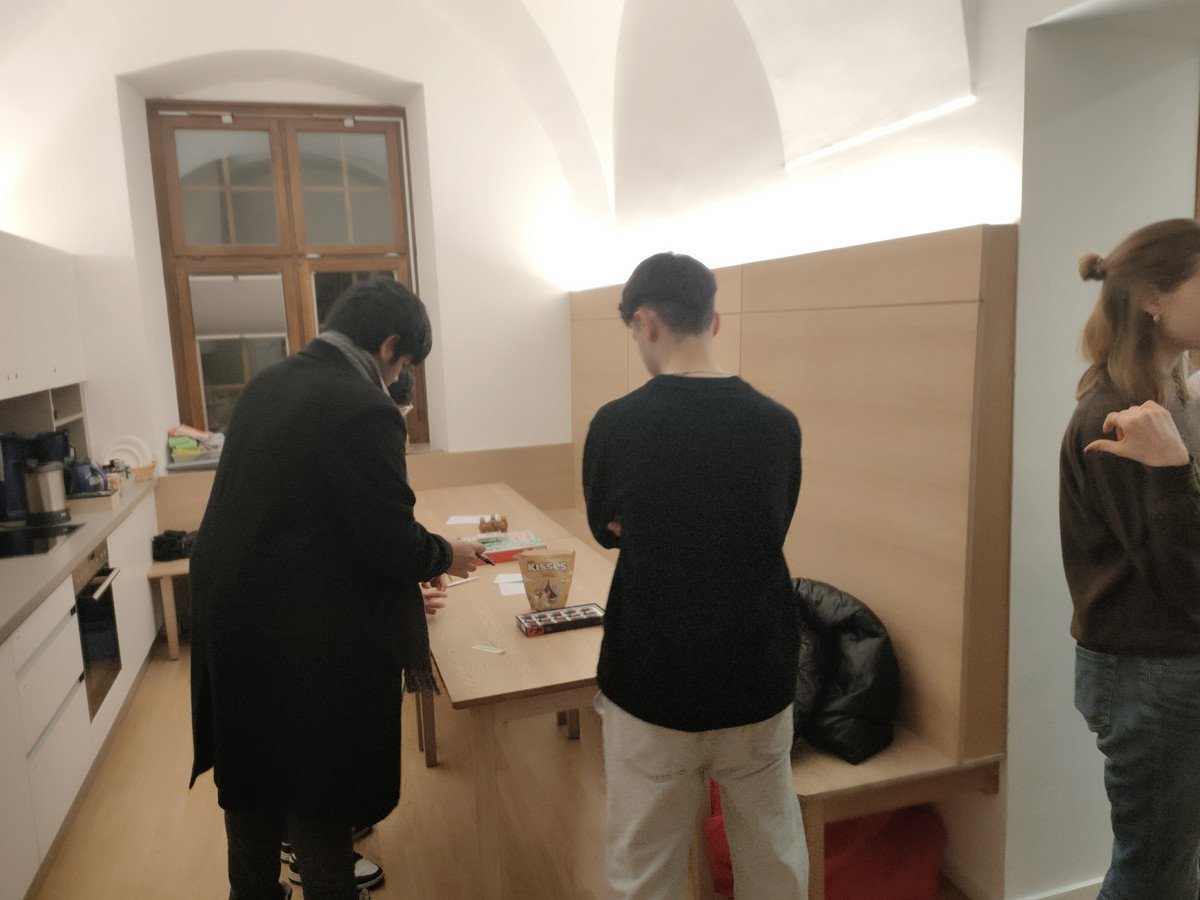
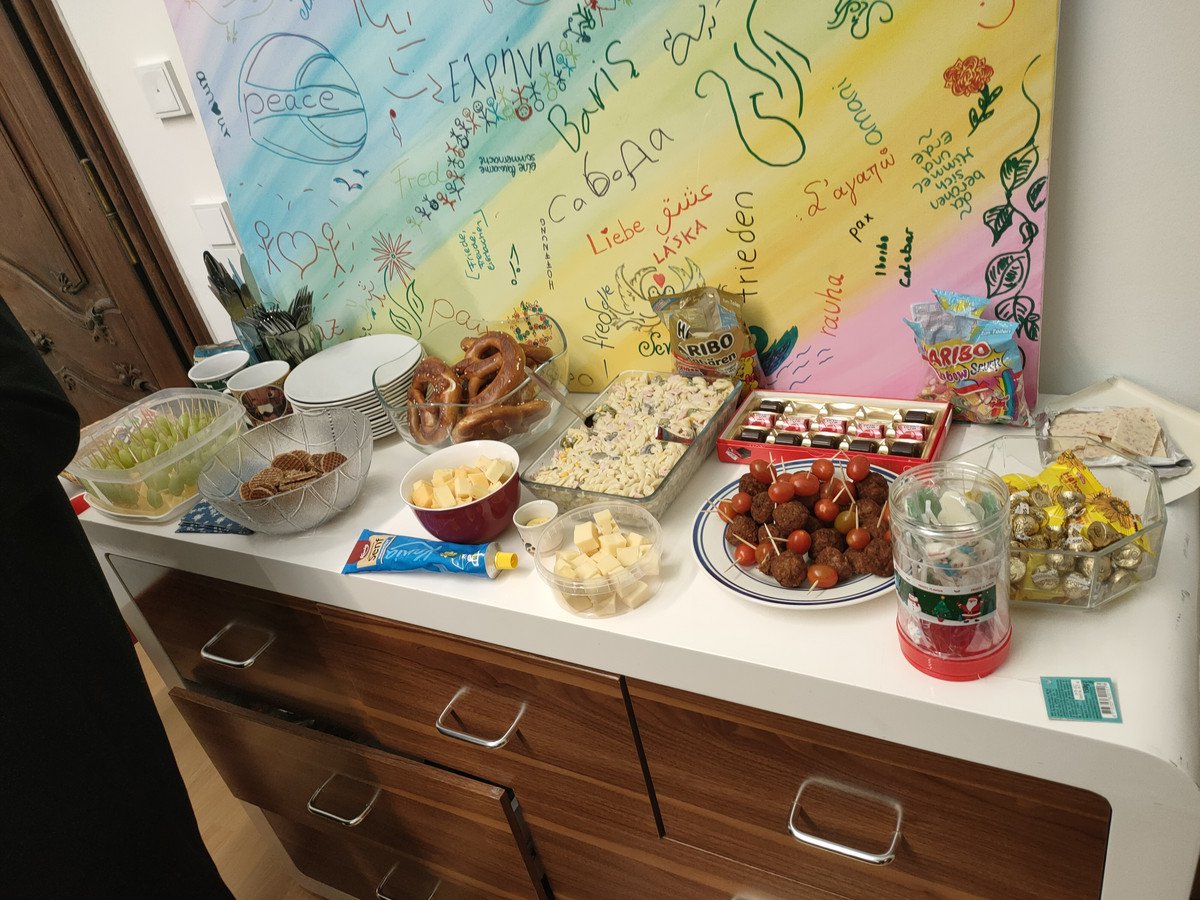
On the evening of January 13, 2026, the second event in the International Comfy Corner series took place, organized by the Chair of Intercultural Communication and International Support Services. The aim of the series is to bring international and German students together, promote exchange, and make it easier for them to settle in at the university. The International Comfy Corner takes place in various formats. Before Christmas, students got together to do crafts as part of the World Wide Winter Market. On January 13, a game night was held to facilitate exchange between students. More than 20 students took part.
After an official welcome by Barbara Bauersachs, the evening began with icebreaker games that facilitated networking and broke down inhibitions. The main part of the evening focused on board and group games that promoted teamwork, communication, and intercultural exchange. A buffet with snacks provided refreshments.
The next International Comfy Corner event will take place on February 6. During the exam period, the focus will be on stress management, mindfulness. A yoga session is planned.
The International Comfy Corner is funded by the University of Passau's Teaching Innovation Pool.