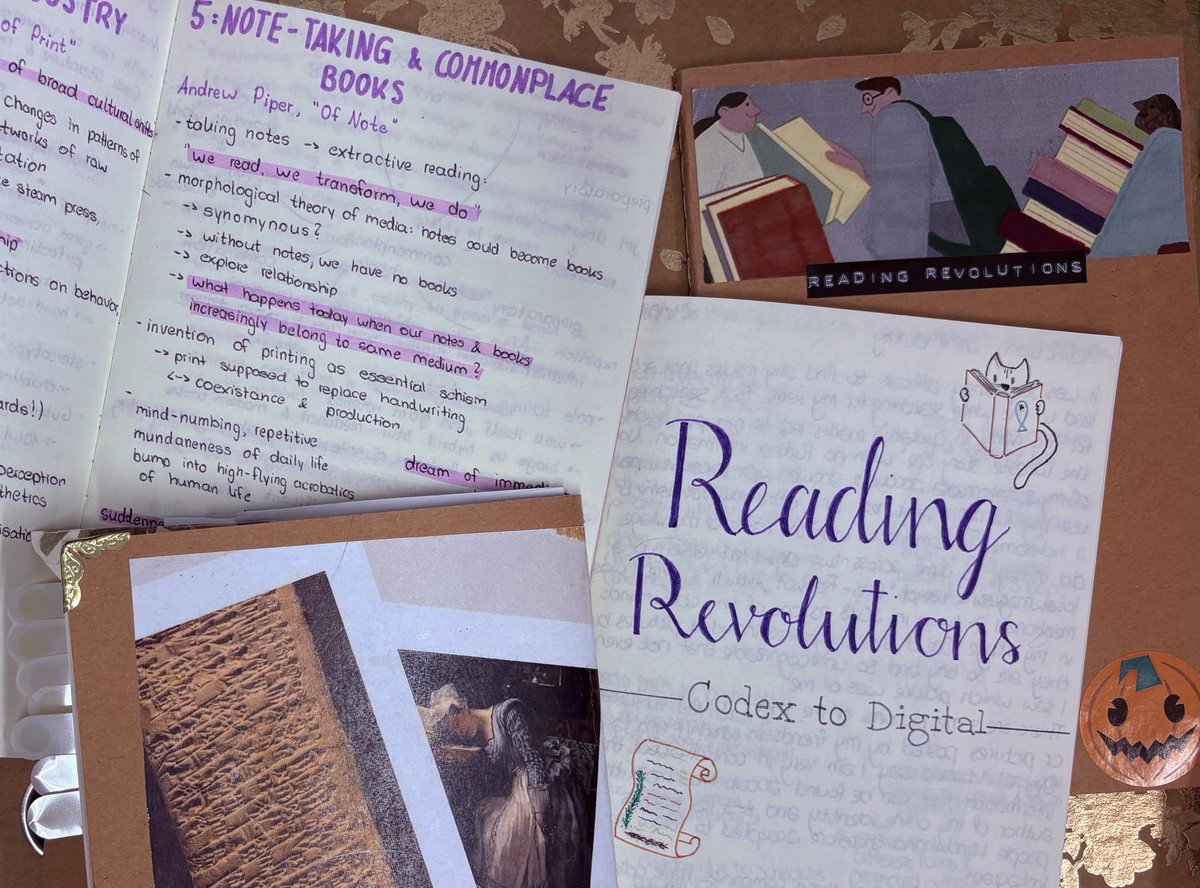
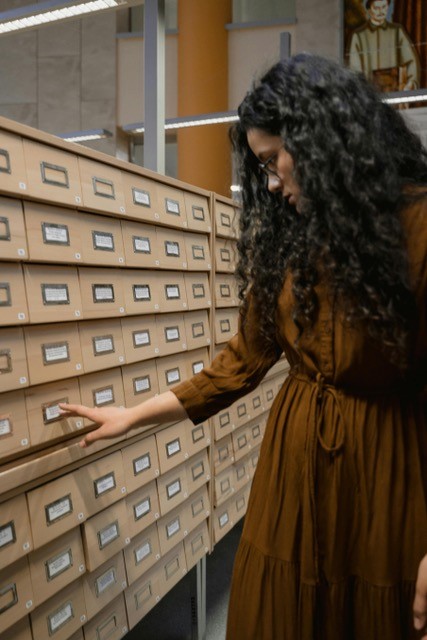
From the invention of the codex and the printing press to the rise of digital media and artificial intelligence, this course explored the profound impact of technological and media revolutions on reading practices, the dissemination of information, and the politics of knowledge. Seminar discussions were flanked by weekly hands-on lab sessions during which students experimented with the some of the media, materials, and technologies that we studied: we examined rare books and ephemera at archives, designed and made commonplace book pages, wrote and sewed pamphlets, researched nineteenth-century scrapbooks and albums, and explored how e-books, automated text generation, and algorithms are currently transforming our understanding of authorship and readership.
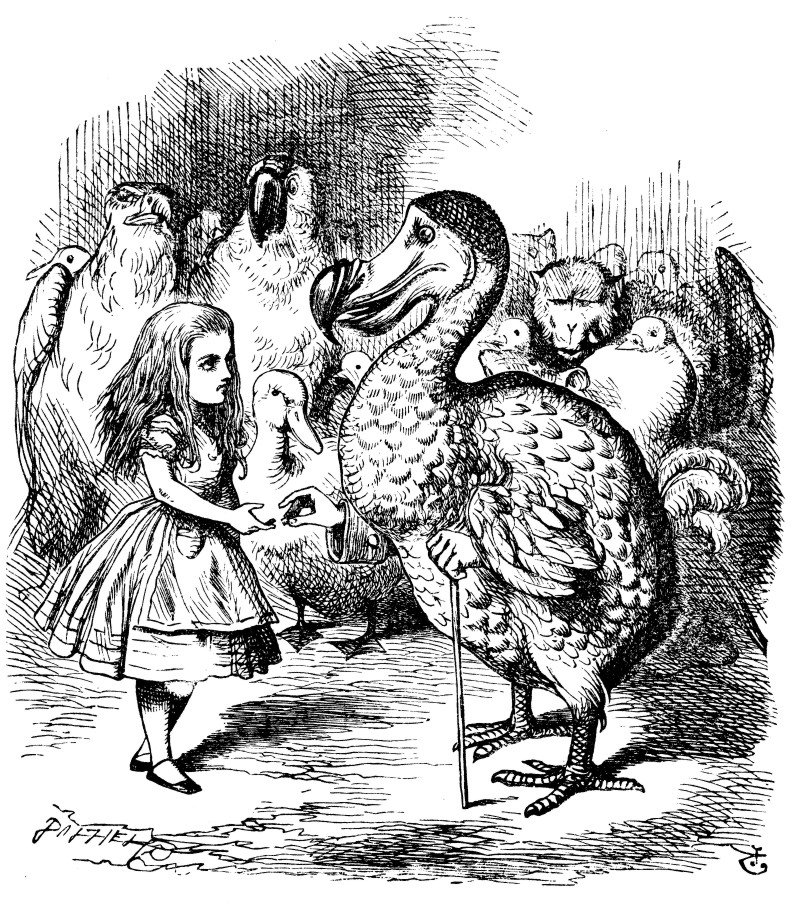
This course approaches the history of the British Empire through its representation in literary fiction and life writing. Texts to be discussed range from Kipling’s The Jungle Books and Carroll’s Alice in Wonderland to early poetry about sugar cane plantations and reports on the first settlements in Australia. The main focus is on what these representations reveal about the ecological impacts of Empire on the environments in the colonial regions as well as back home in England. What ideas about the environment and the exchange of plants, animals and people are constructed in the literature? Focusing on the literary engagement with the environmental history of the Empire brings to light a new perspective on how this global regime shaped the lands and peoples under its control. Drawing on methods from historical and literary-cultural studies, this interdisciplinary seminar offers students an innovative introduction to central questions of the modern history of energy and ecology, and its consequences for indigenous and settler societies.


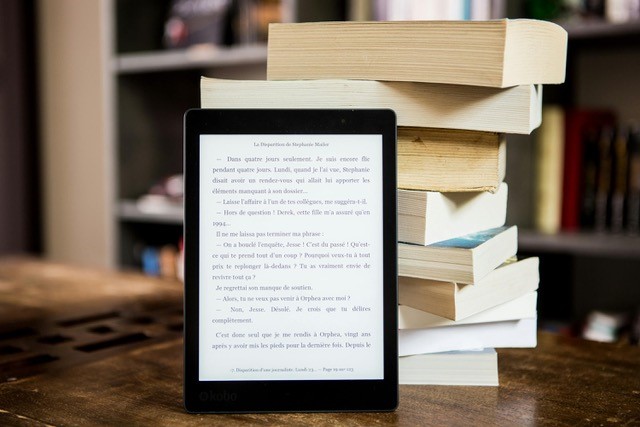
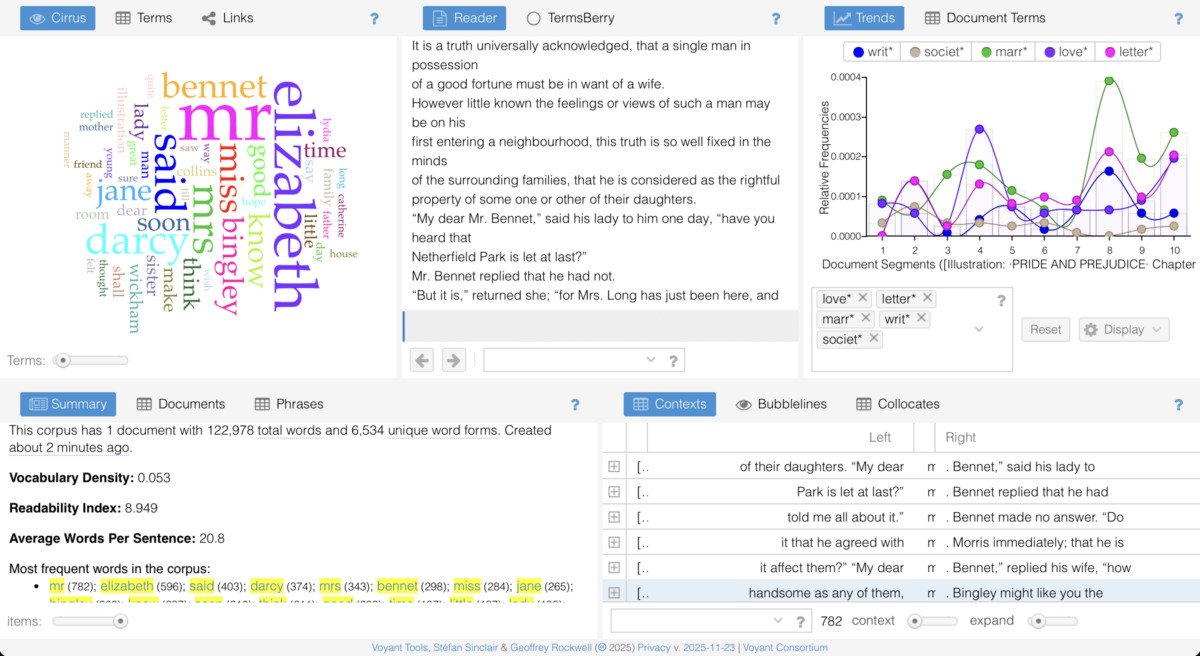
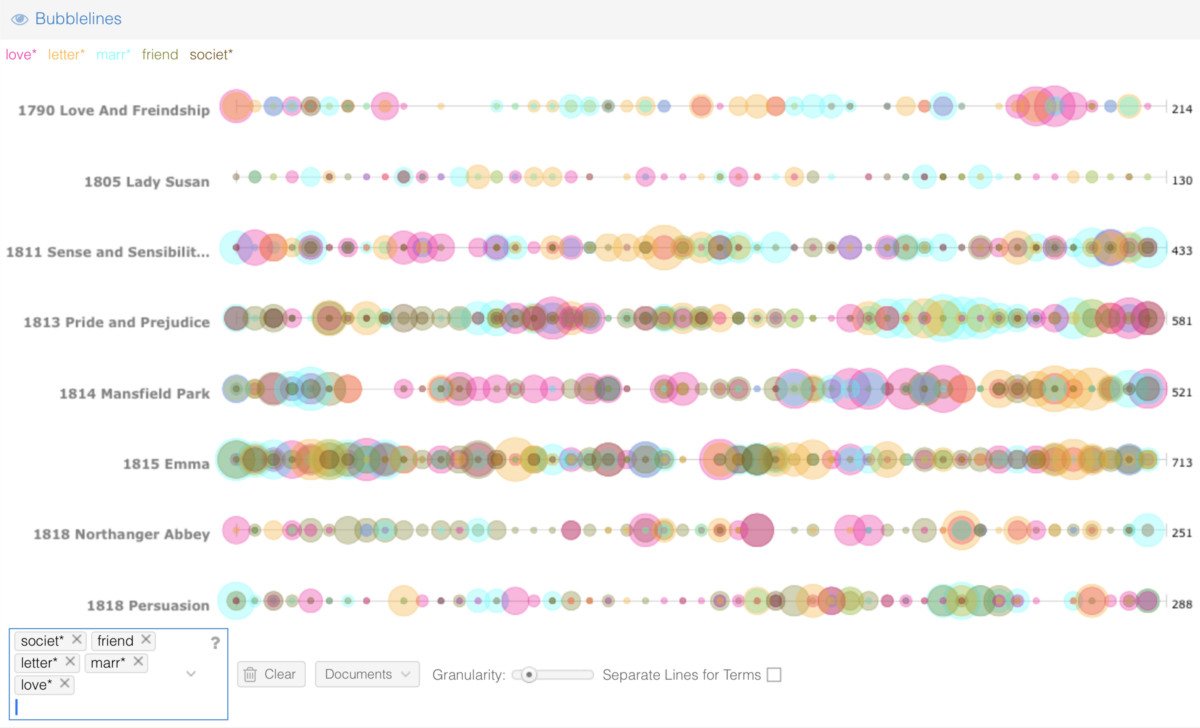
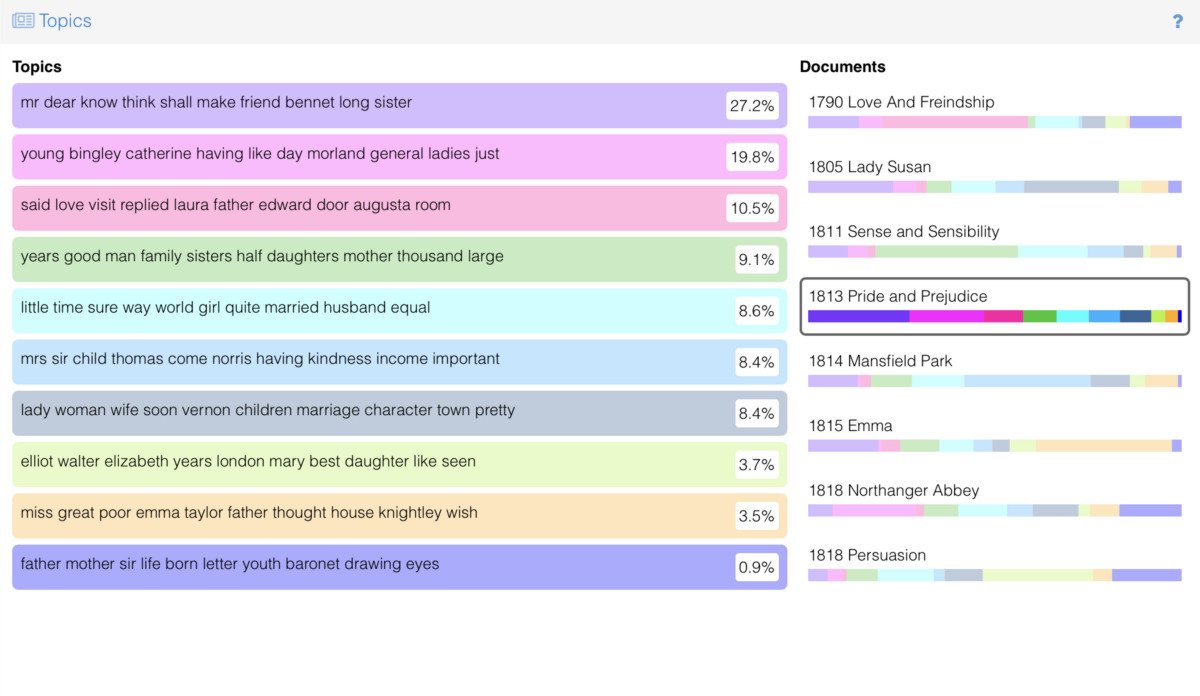
Students experimented with an array of data analysis and visualization tools to reveal textual patterns. Tools included word clouds, word correlations, frequent phrases, word contexts, a list of frequent words, a text reader, trends pane, and summary of findings. Customizing the tools, students visually graphed the frequency of words across the length of the corpus. Taking Jane Austen’s classic novel Pride and Prejudice as one case study, we analyzed textual correlations of family, class, writing, and the marriage plot. By comparing printed books, e-books, and data analysis and visualization interfaces, students explored interactive practices of reading and making meaning across varied technologies. They identified continuities between data analysis and the diverse ways in which they already read and discovered new research methods for future use.
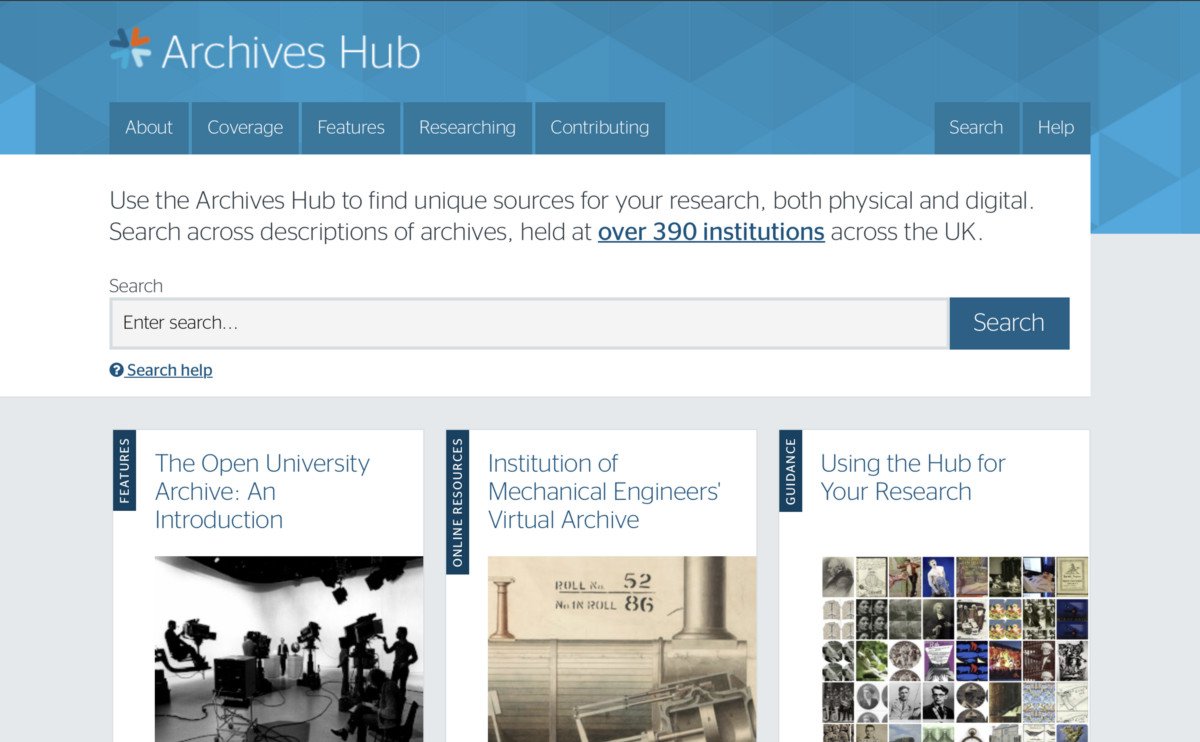
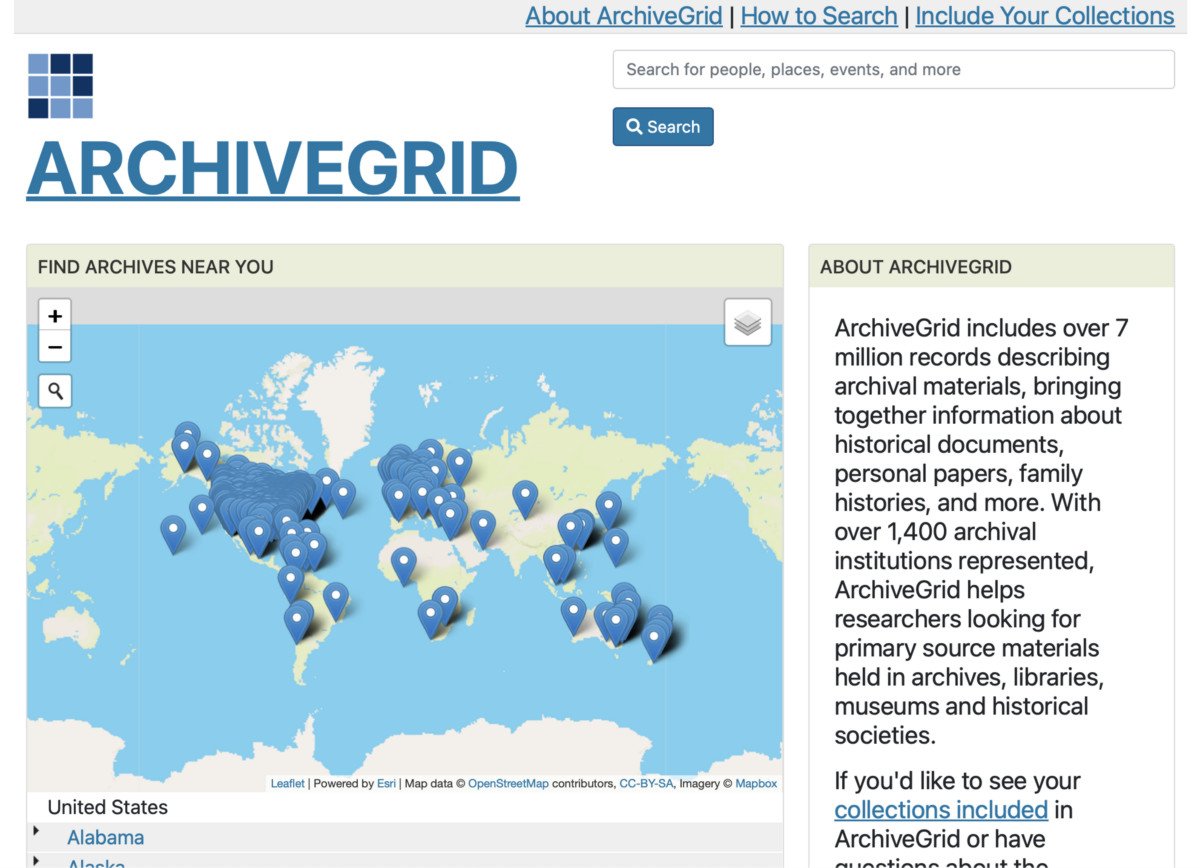
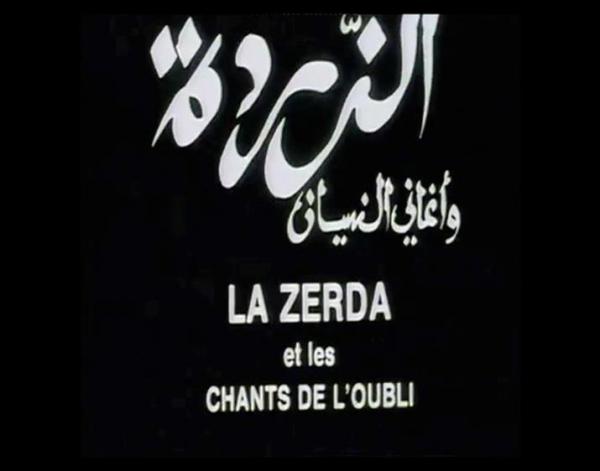
Inspired by narrative and archival methods in anticolonial literature and film, students created their own archives about issues relating to social equality. Engaging with digital archives, such as the Birmingham Black Oral History Project, students learned how to digitally archive lesser-told social histories, use national and international archive databases, and locate digital artifacts. Gleaning techniques from works such as Assia Djebar’s novel Fantasia: An Algerian Cavalcade or films by the Indigenous Australian Karrabing Film Collective, students composed narrative archives by writing reflections about four artifacts—one personal, one historical, one literary, and one artistic in nature. Students designed topics that ranged from postcolonial cultures in Brazil or India to single motherhood, Egyptian intergenerational memory, female friendship, West Bank cinema, and women’s storytelling and resistance. Students structured their archive in a typed or media format to suit their narrative aims.