4th Québec-Bayern Forum, Passau

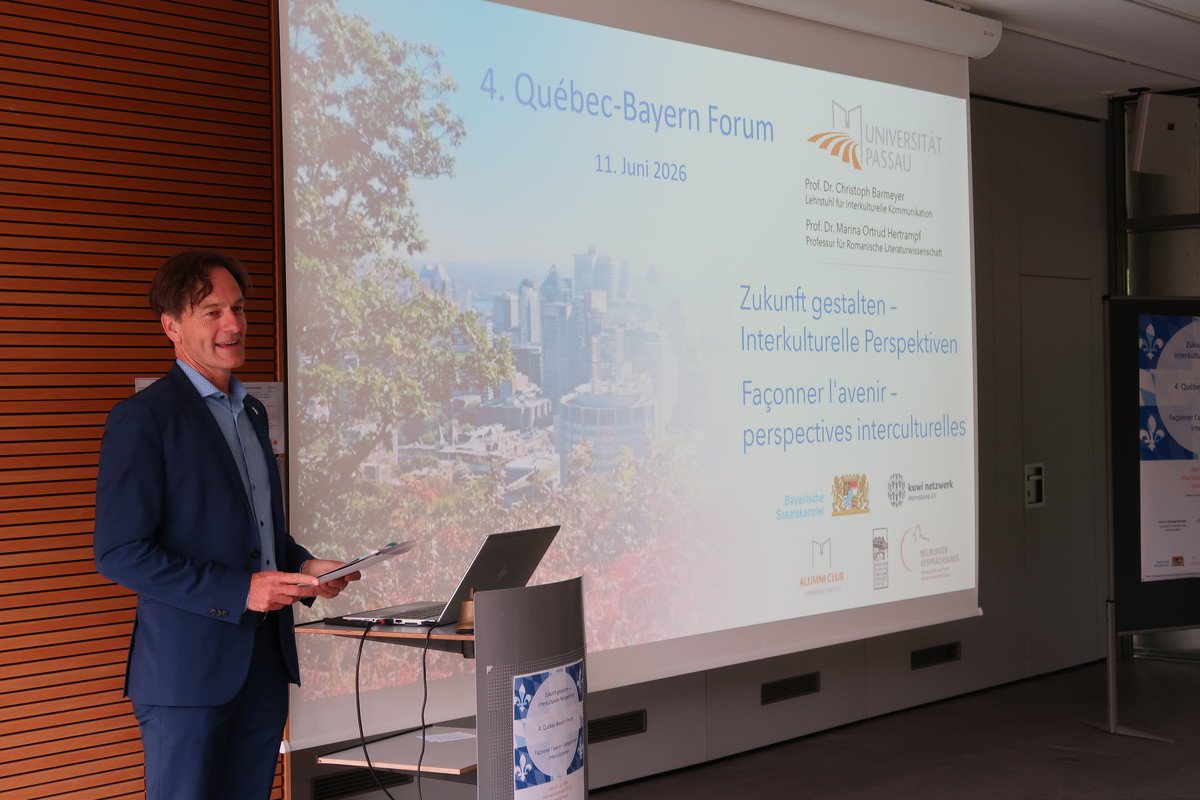
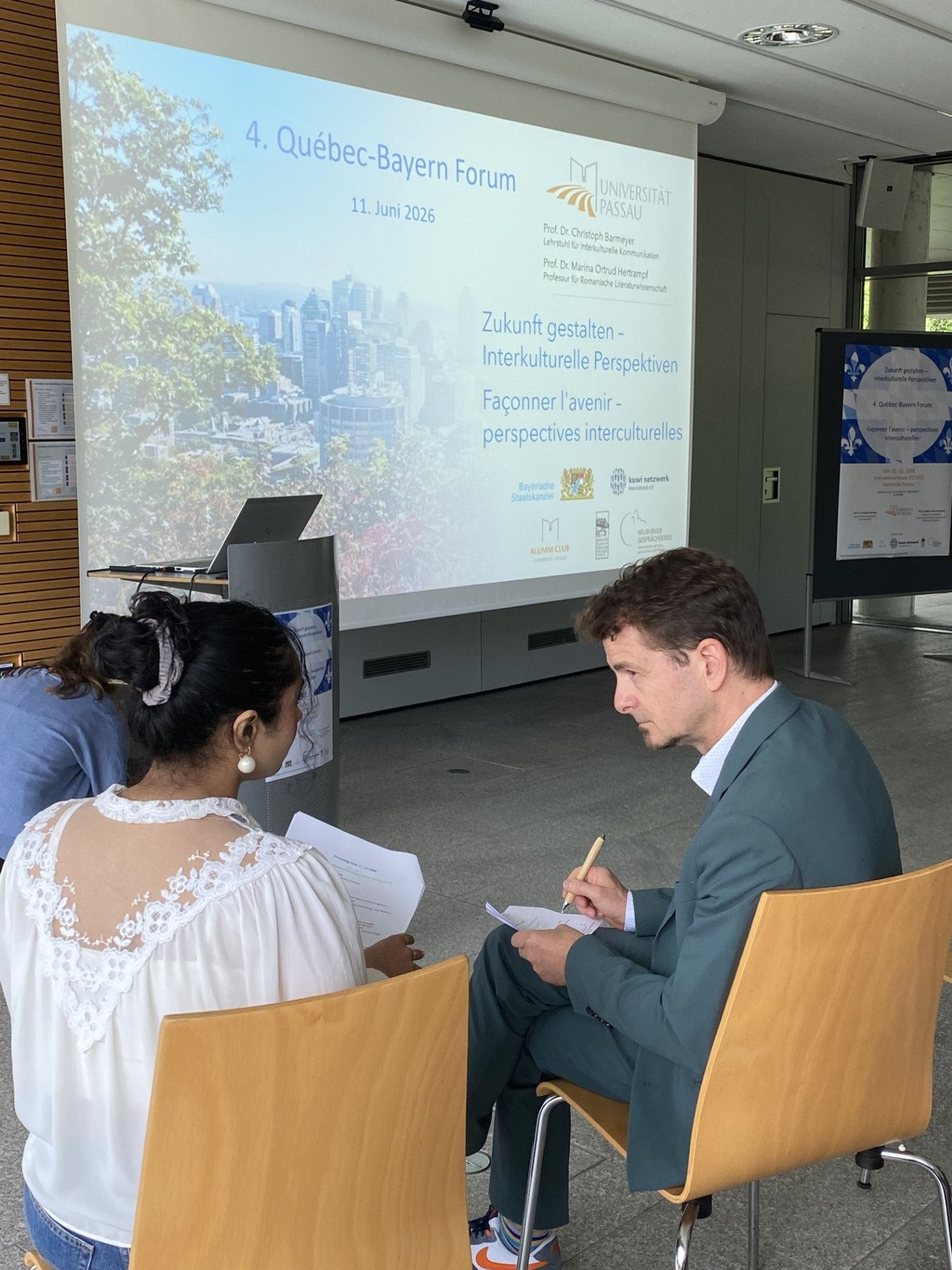
For the fourth time, the Chair of Intercultural Communication will host the Québec-Bavaria Forum at the University of Passau on June 11, 2026, with a focus on the theme “Shaping the Future – Intercultural Perspectives.” You can view a preliminary program here.



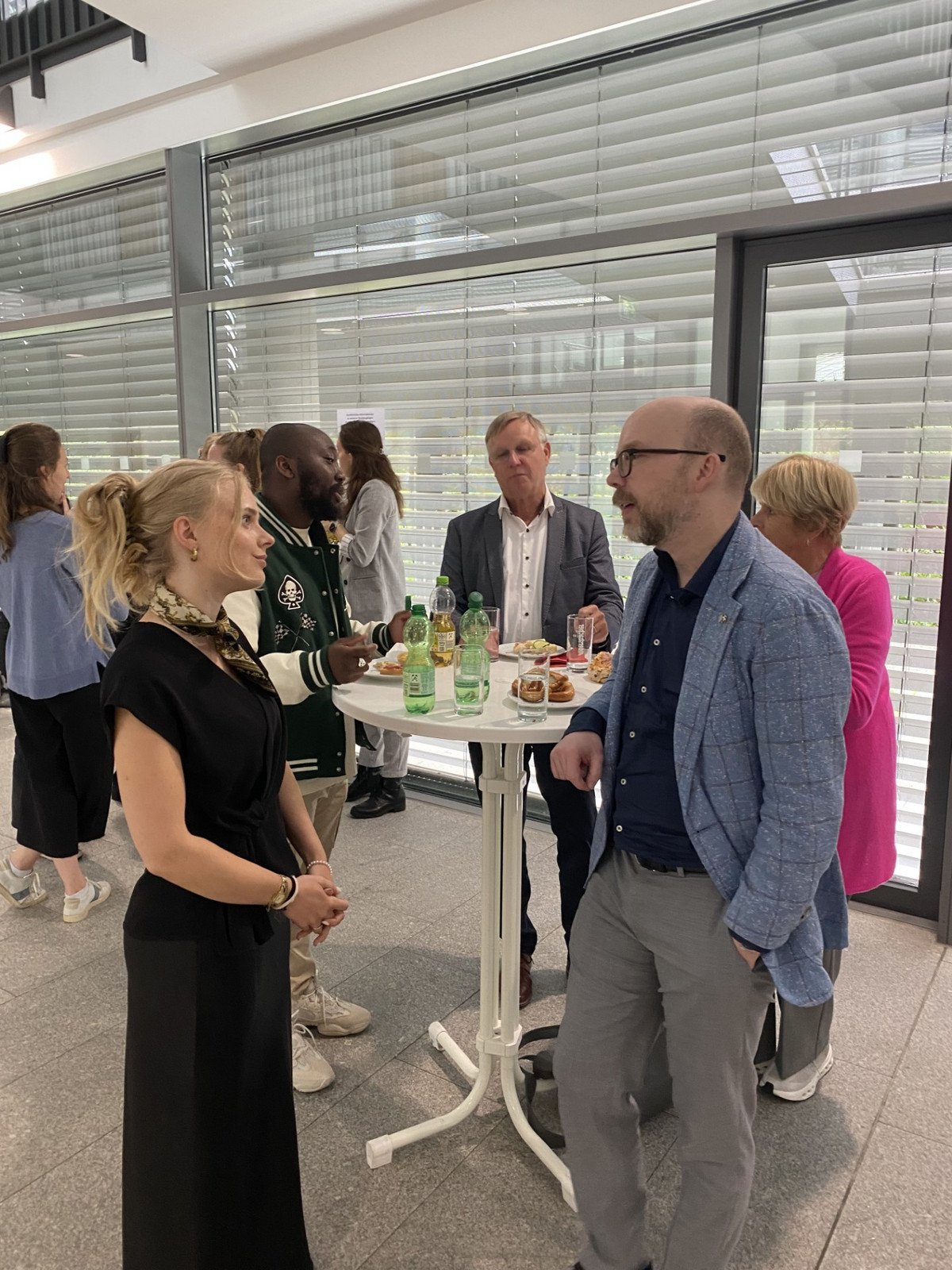
What does the future hold? How can we actively and constructively shape it today? And which technologies are leading the way?
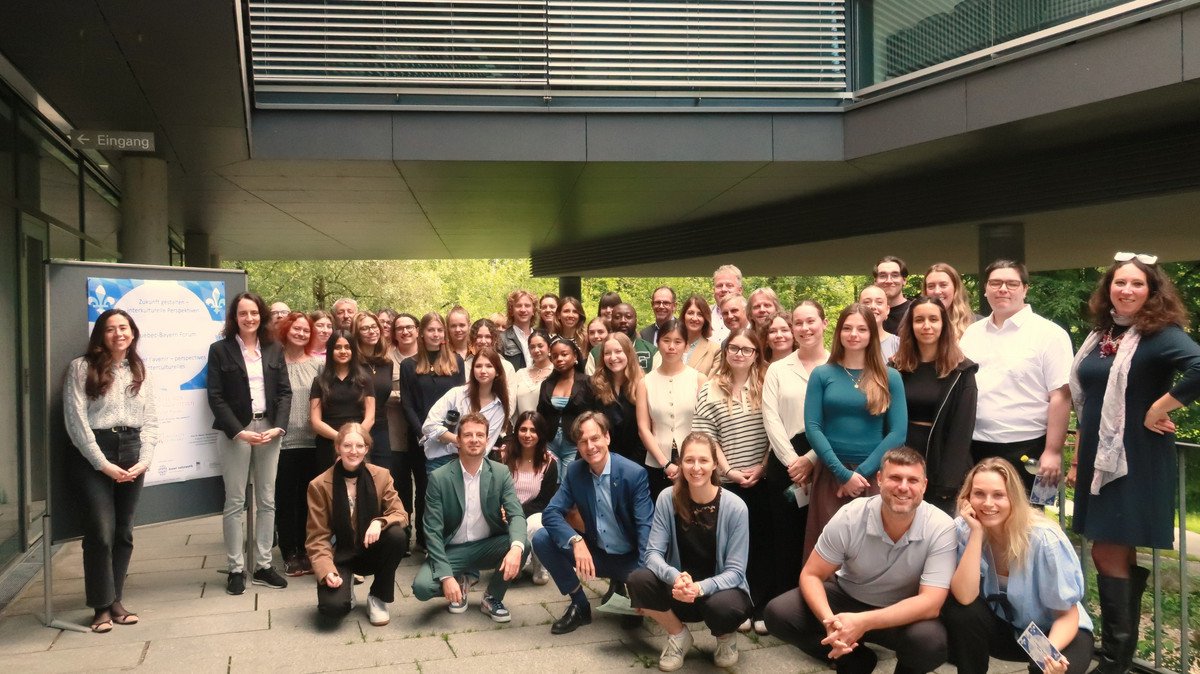
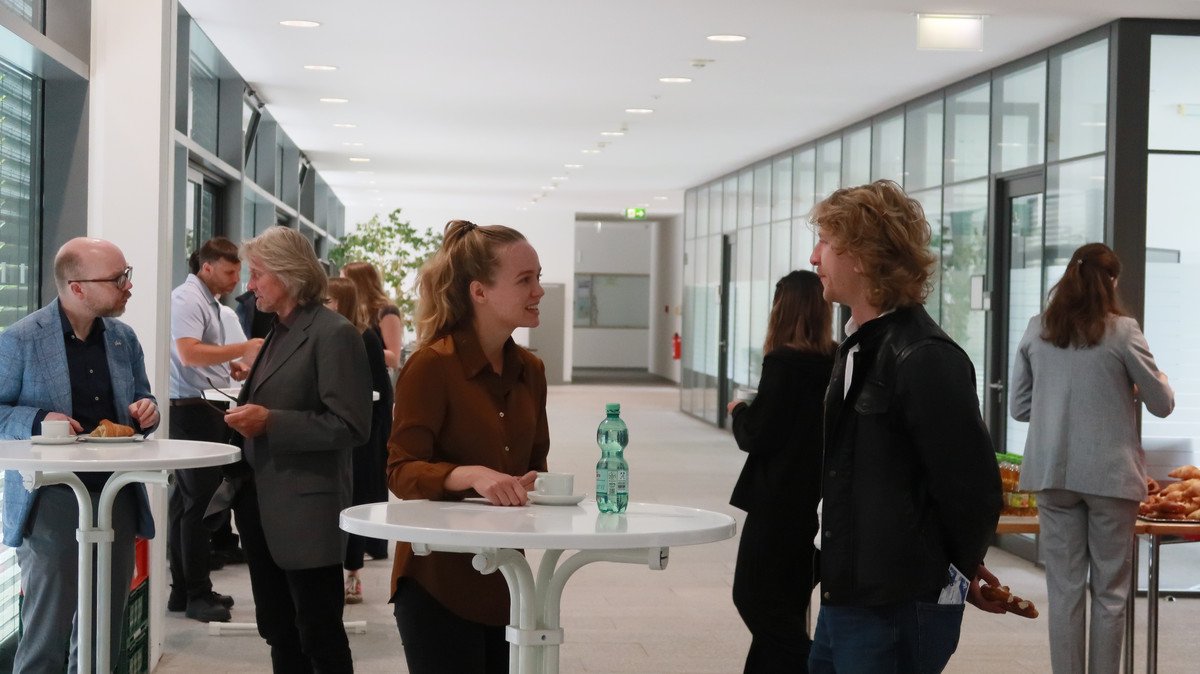
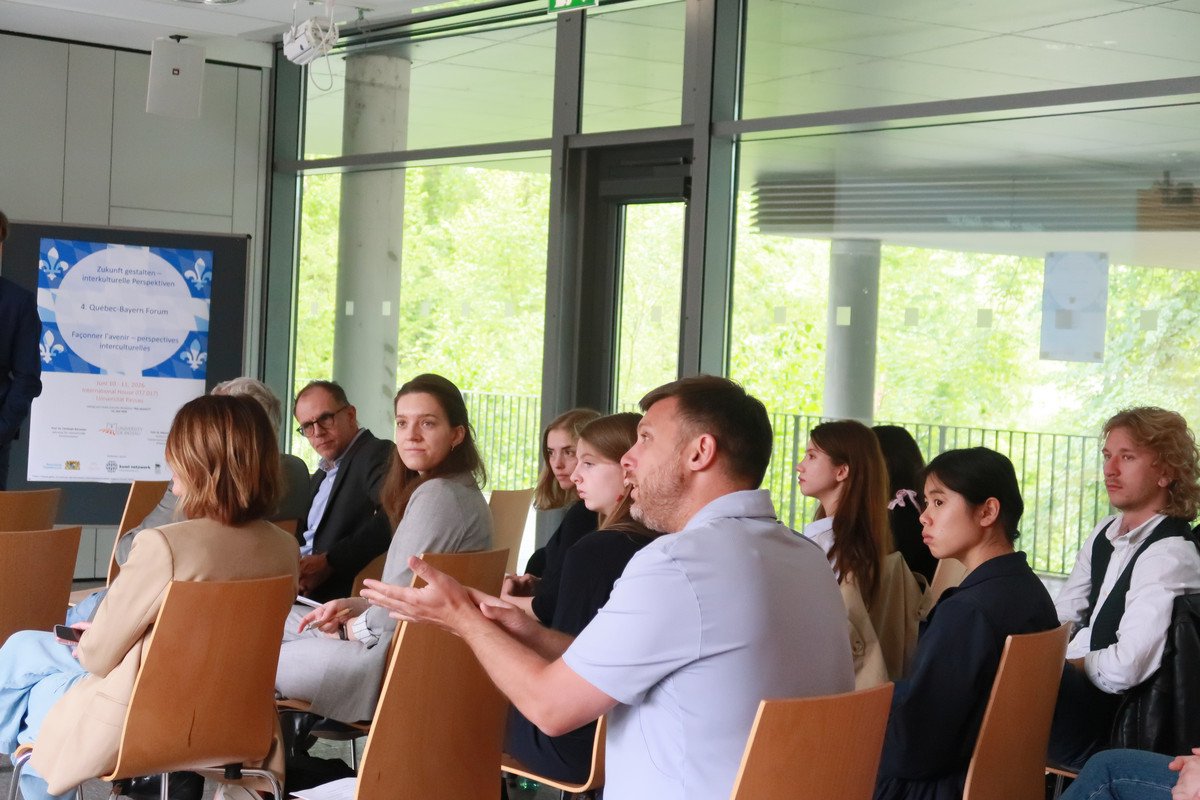
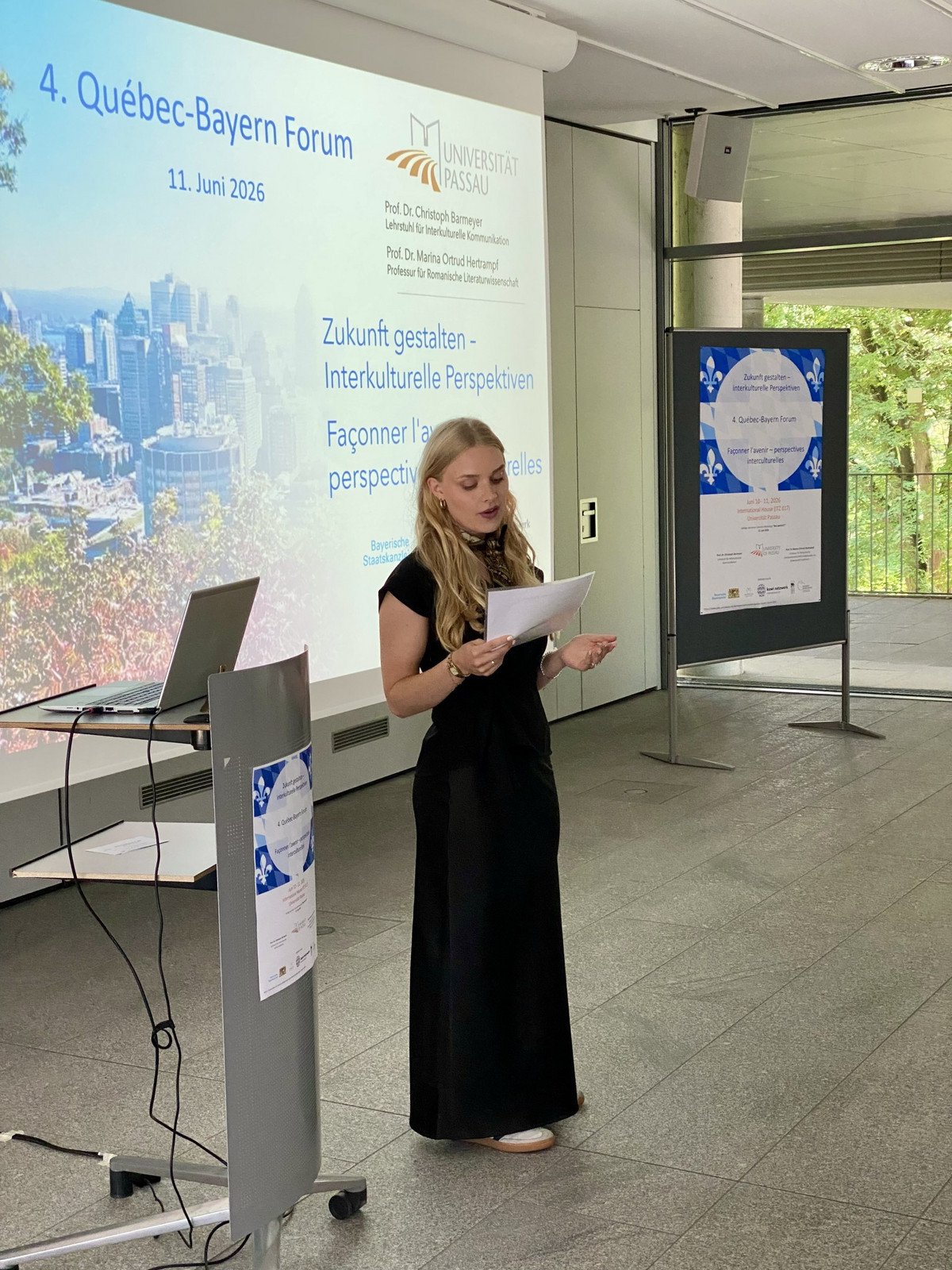
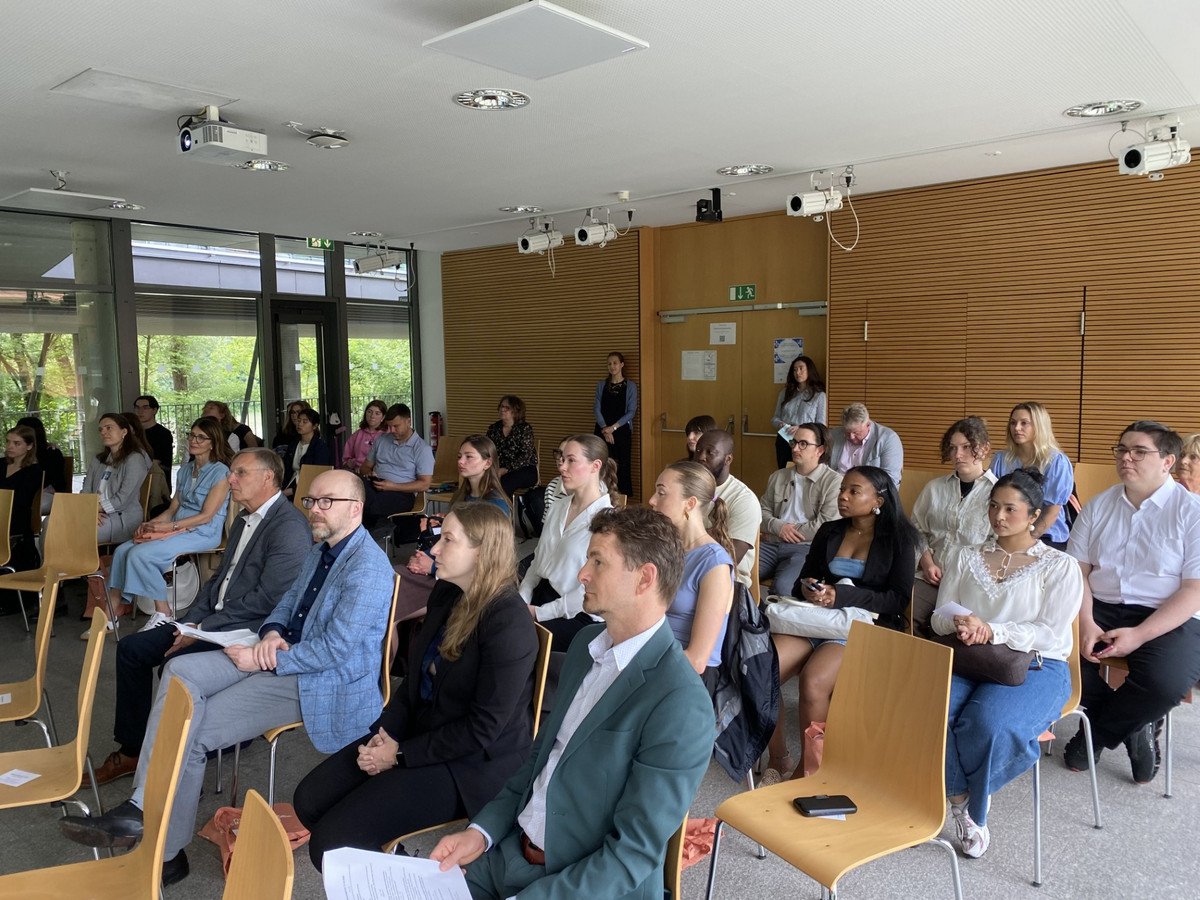
On June 11, 2026, the 4th Québec-Bavaria Forum at the University of Passau addressed these and many other questions. Under the theme “Shaping the Future—Intercultural Perspectives,” representatives from academia, practice, civil society, and politics joined students from the Université du Québec à Montréal and the University of Passau to examine key questions about the future from various perspectives. The event was organized by the Chair of Intercultural Communication in cooperation with the Chair of Romance Literature and Cultural Studies with a focus on France, and with financial support from the Bavarian State Chancellery, Verein der Freunde und Förderer der Uni Passau, the Alumni Club, the Kuwi Netzwerk, and the Neuburger Gesprächskreis. Once again, this event created a platform for encounter, exchange, and networking between Bavaria and Québec. This year’s central theme consistently built upon the themes of previous years and focused on a shared future.
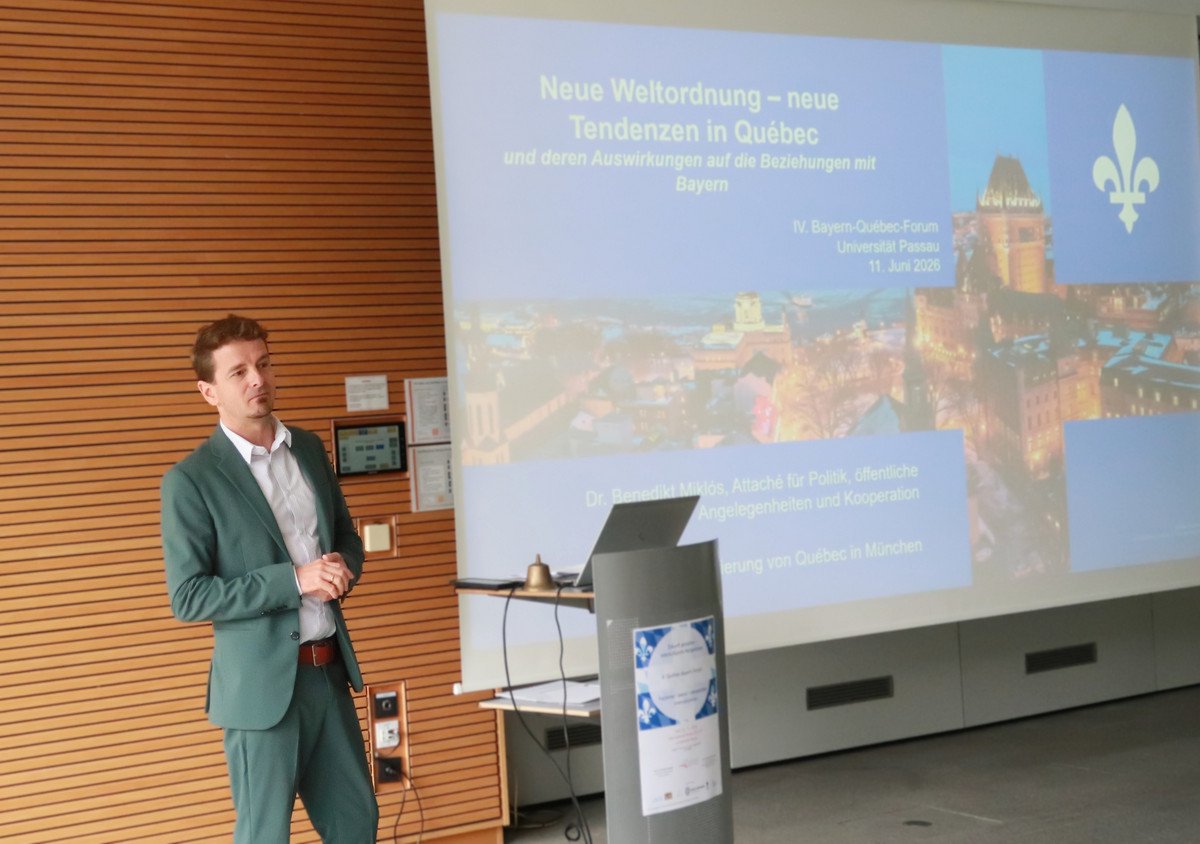
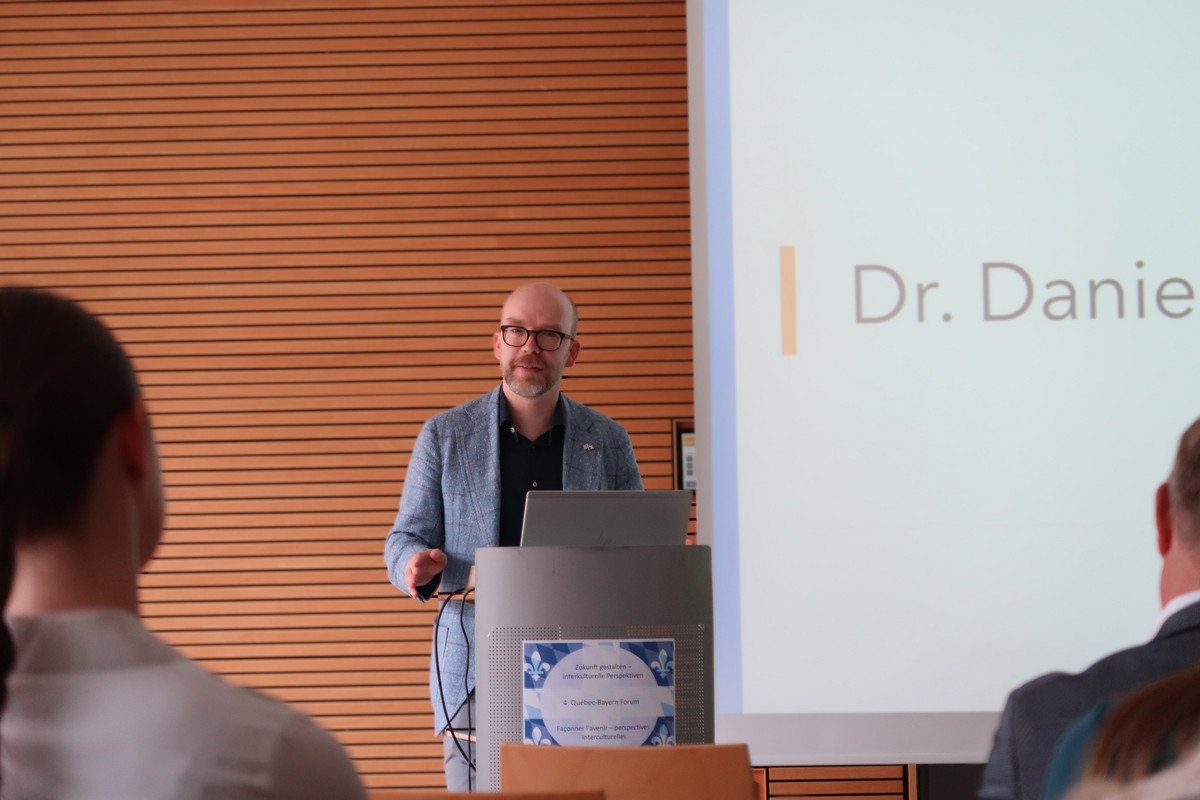
After Professor Daniela Wawra, Vice President for International Affairs at the University of Passau, welcomed the students, university faculty, and external guests in attendance – highlighting, among other things, the “intercultural vitality” of the event – the organizers, Professor Christoph Barmeyer (Chair of Intercultural Communication, University of Passau) and Professor Marina Ortrud Hertrampf (Chair of Romance Literature and Cultural Studies with a Focus on France), addressed the audience. Even at this early stage, the enormous potential of Bavarian-Québec relations for the future became clear – an aspect that Dr. Benedikt Miklós, Attaché for Politics, Public Affairs, and Cooperation at the Government of Québec’s Representative Office in Munich, would later emphasize in his substantive introduction. A welcome address by Dr. Daniel Etzel, Head of the Representative Office of the Free State of Bavaria in Montréal, as well as an overview of opportunities for academic cooperation presented by Michaela Eggert (WKS, Bavarian Research Alliance) rounded out the introduction.
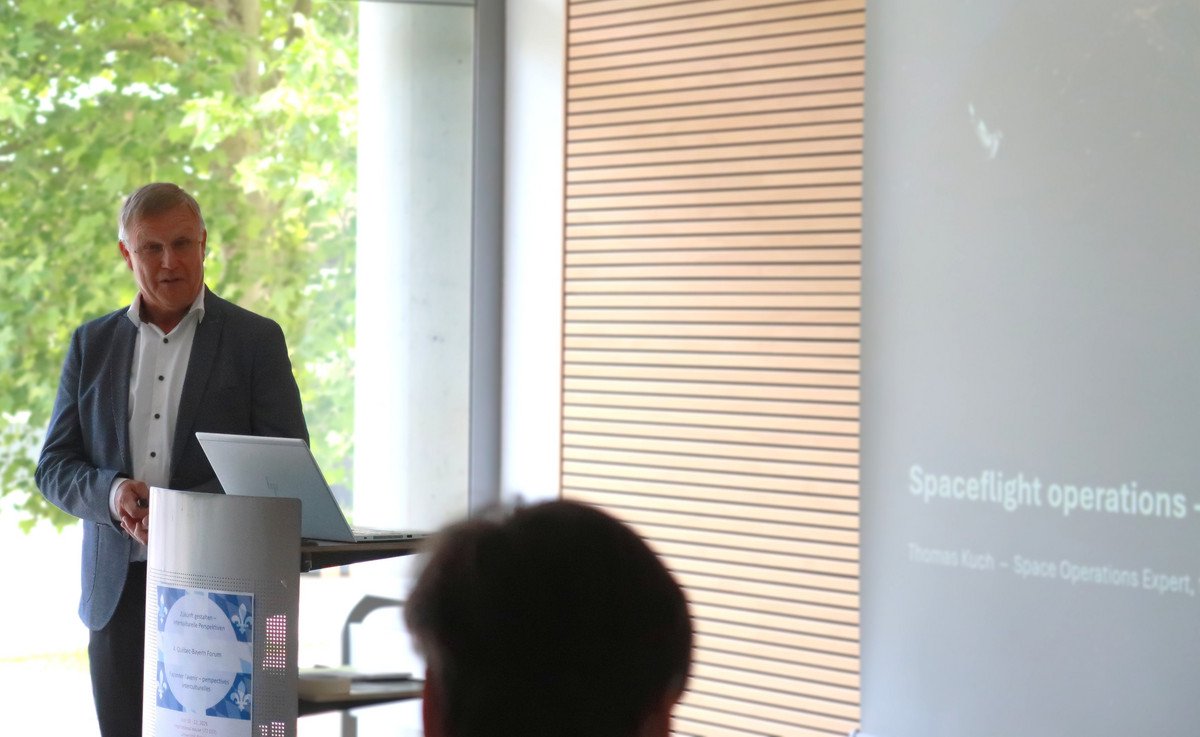
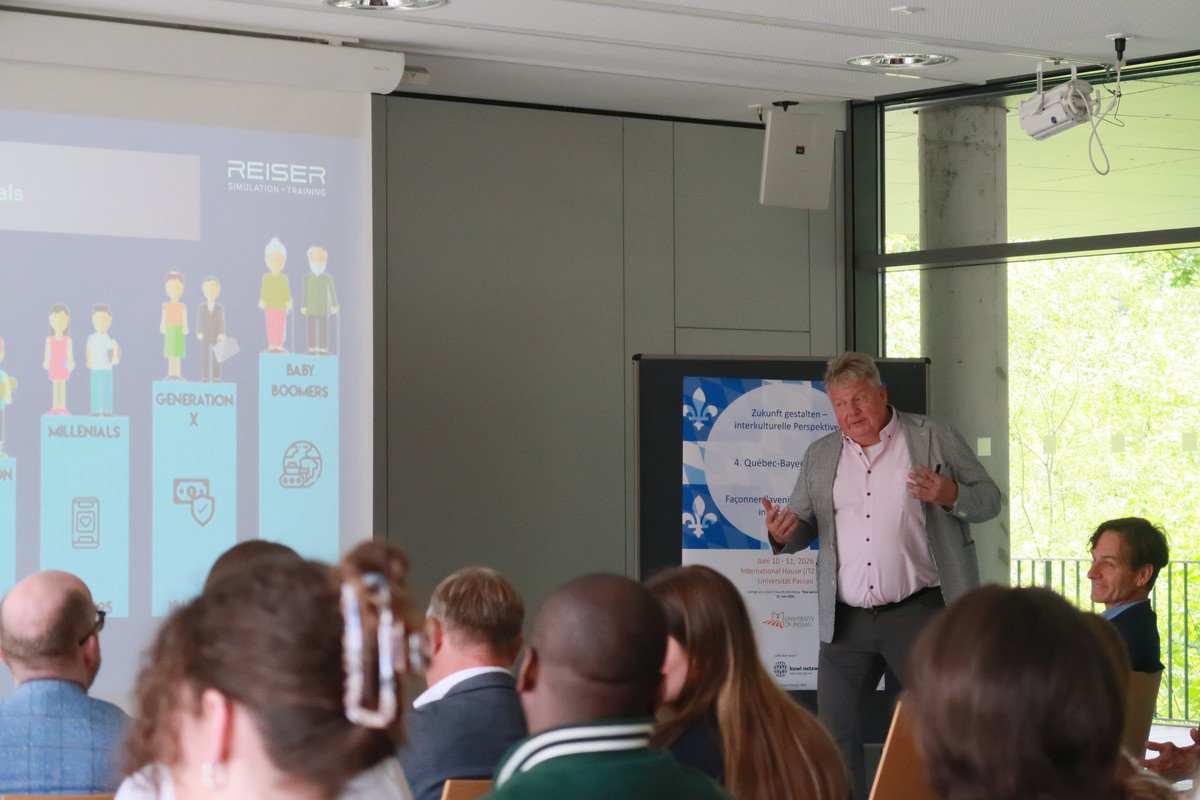
Thomas Kuch (Kuch_SpaceOps) opened the main part of the event. In his presentation, he vividly highlighted the future relevance of the space sector. In particular, a video from the European Space Agency – which illustrated the consequences of a day without the space industry – demonstrated in detail just how important space exploration is today and will continue to be in the future. Martin Keil (Reiser Simulation and Training) then spoke in his presentation about training the pilots of tomorrow, emphasizing the human dimension even in highly digitized times. Jana Witolla and Astrid Heindel (HAW Landshut) provided the audience with insights into future technologies in the energy sector. They also presented international scientific projects between Québec and Bavaria that exemplify how cross-border cooperation can contribute to the development of forward-looking solutions.
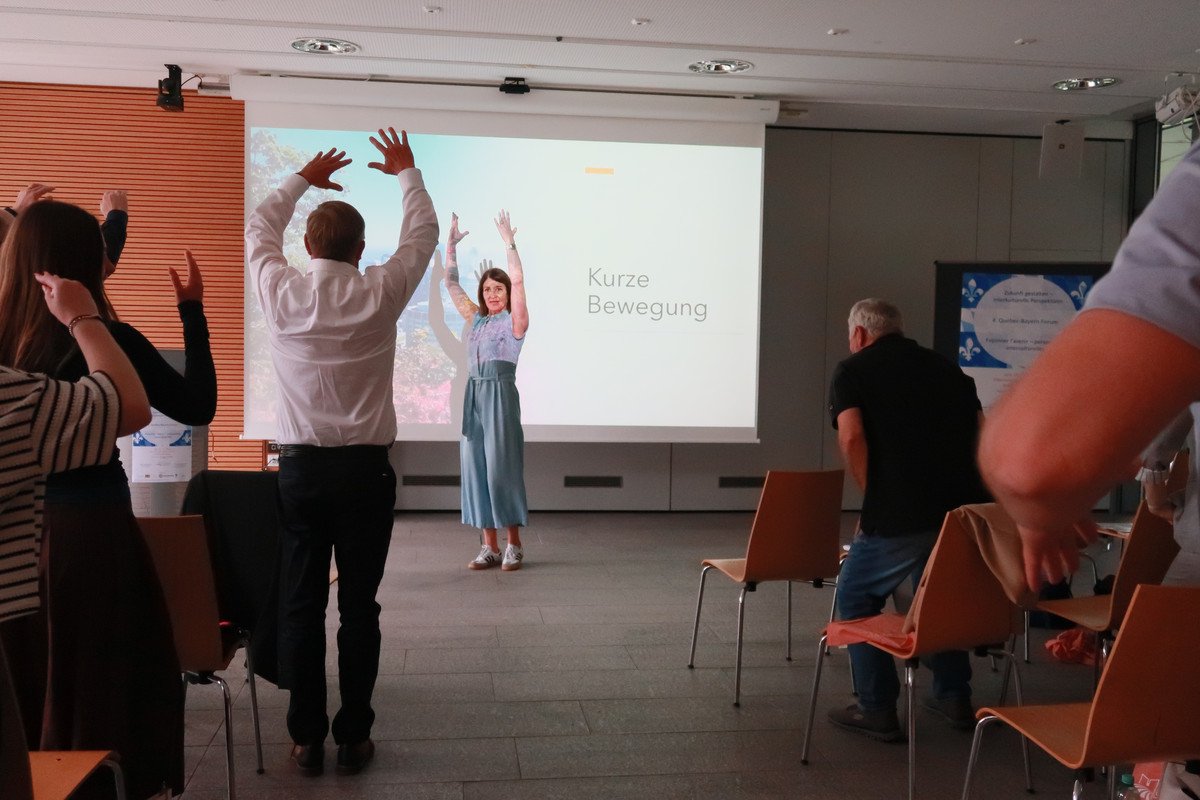
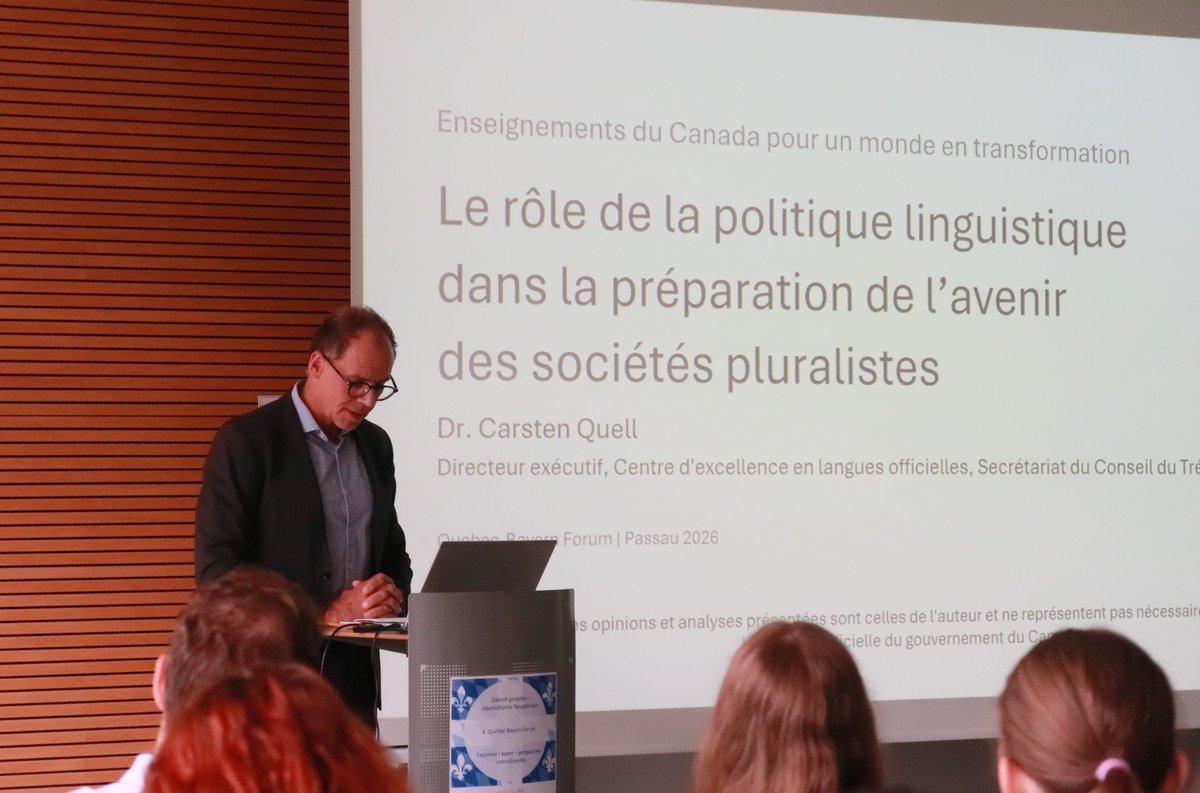
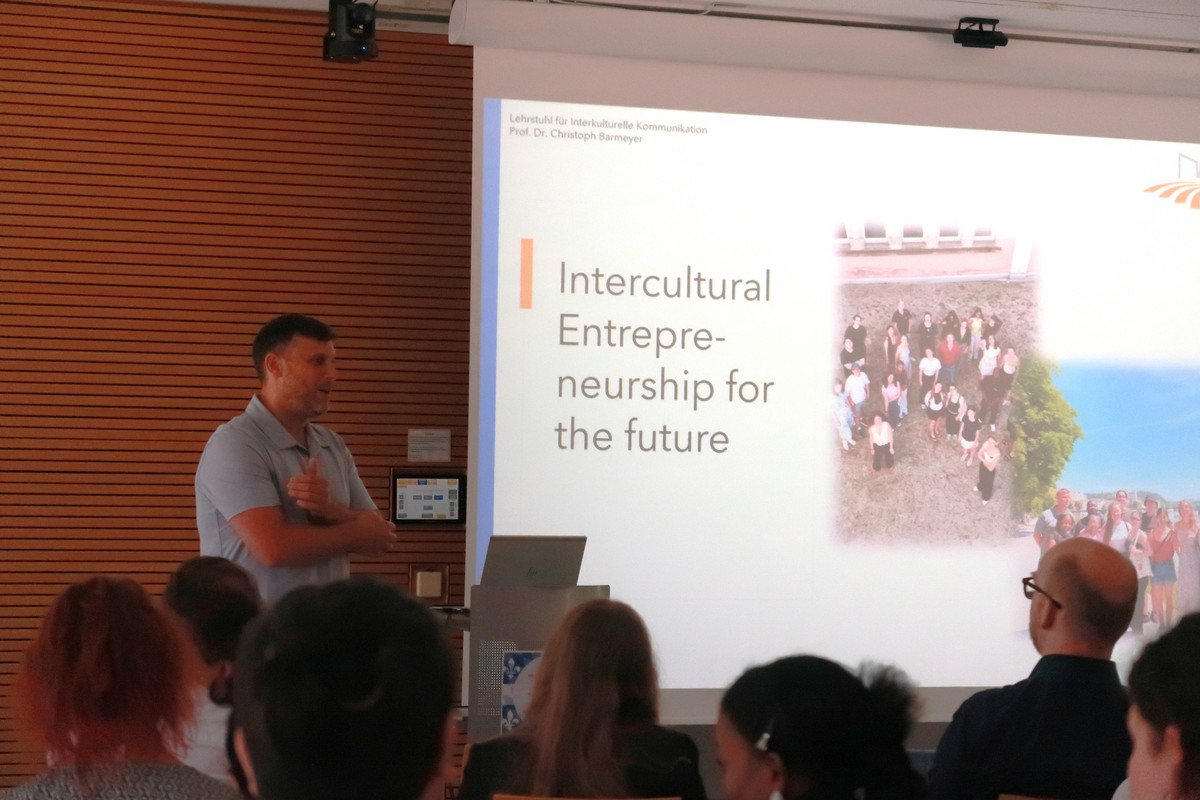
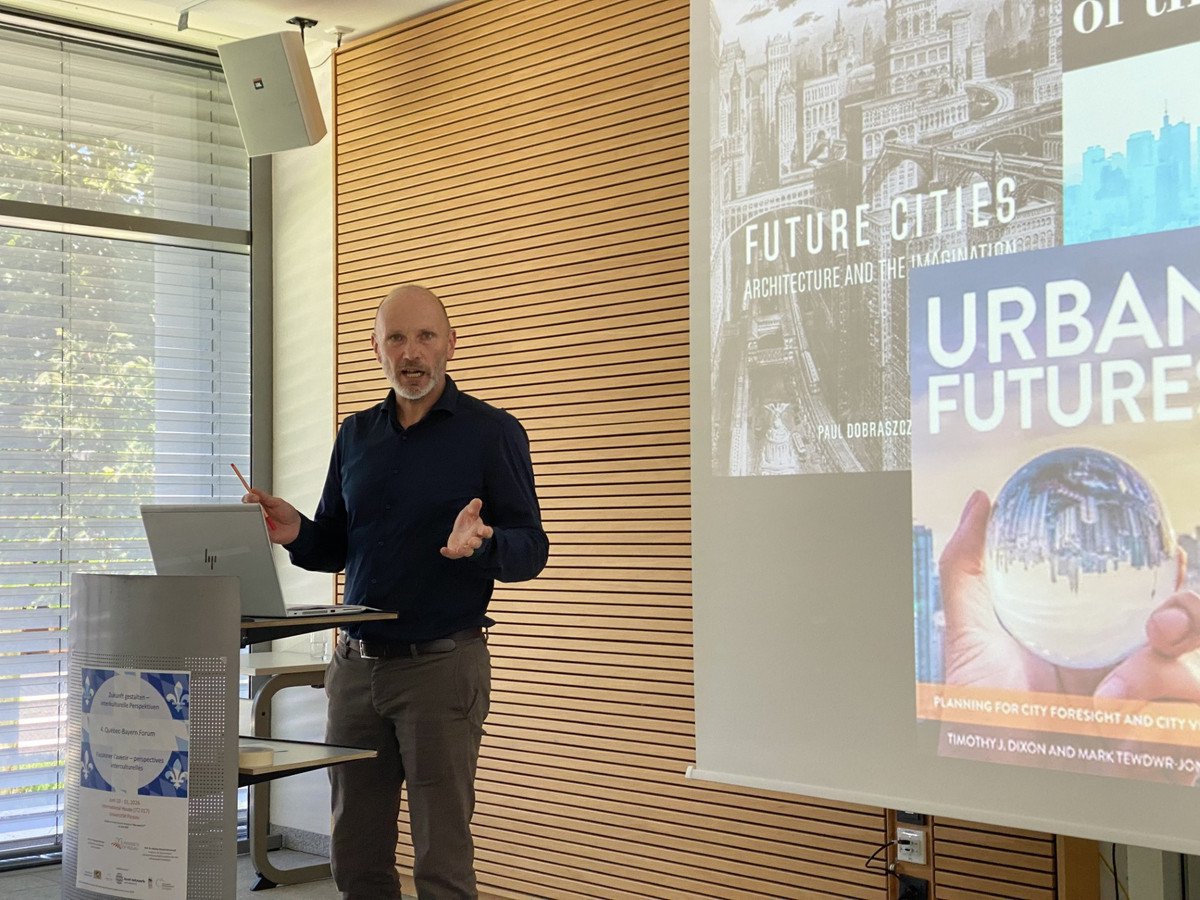
After the lunch break, which was used for in-depth discussions, a socially oriented session followed: Professor Christoph Barmeyer and Elisabeth Huber (University of Passau) presented the concept of Quebec interculturalism as a model for future societies and illustrated its practical implementation using the example of the Quebec cooperative bank Desjardins. Dr. Carsten Quell (Government of Canada) then offered insights into shaping a multilingual future. The final presentation was delivered by Professor Jörg Scheffer, who spoke about the city of the future and vividly rounded out his remarks with a video about Passau. Annika Meier, a master’s student in international cultural and business studies, delivered a poetry recital on the unique characteristics of Québec and Bavaria and their shared ties, which highlighted the potential for collaboration in a compelling and lyrical manner. The academic program was periodically interspersed with short movement activities led by Pilates instructor Andrea Aletter.
Especially insightful glimpses into the younger generation’s visions for the future were offered through pitches by intercultural student groups. As part of the “Intercultural Entrepreneurship” course – which has been offered for several years in collaboration with Dr. Tobi Rodrigue (Université du Québec à Montréal) – the students had spent the week working in Bavarian-Quebec teams to develop their own startup projects, which they then presented to the audience. A common thread running through all the projects was their social focus: The ideas aimed at a more just, sustainable, and collaboratively shaped future.
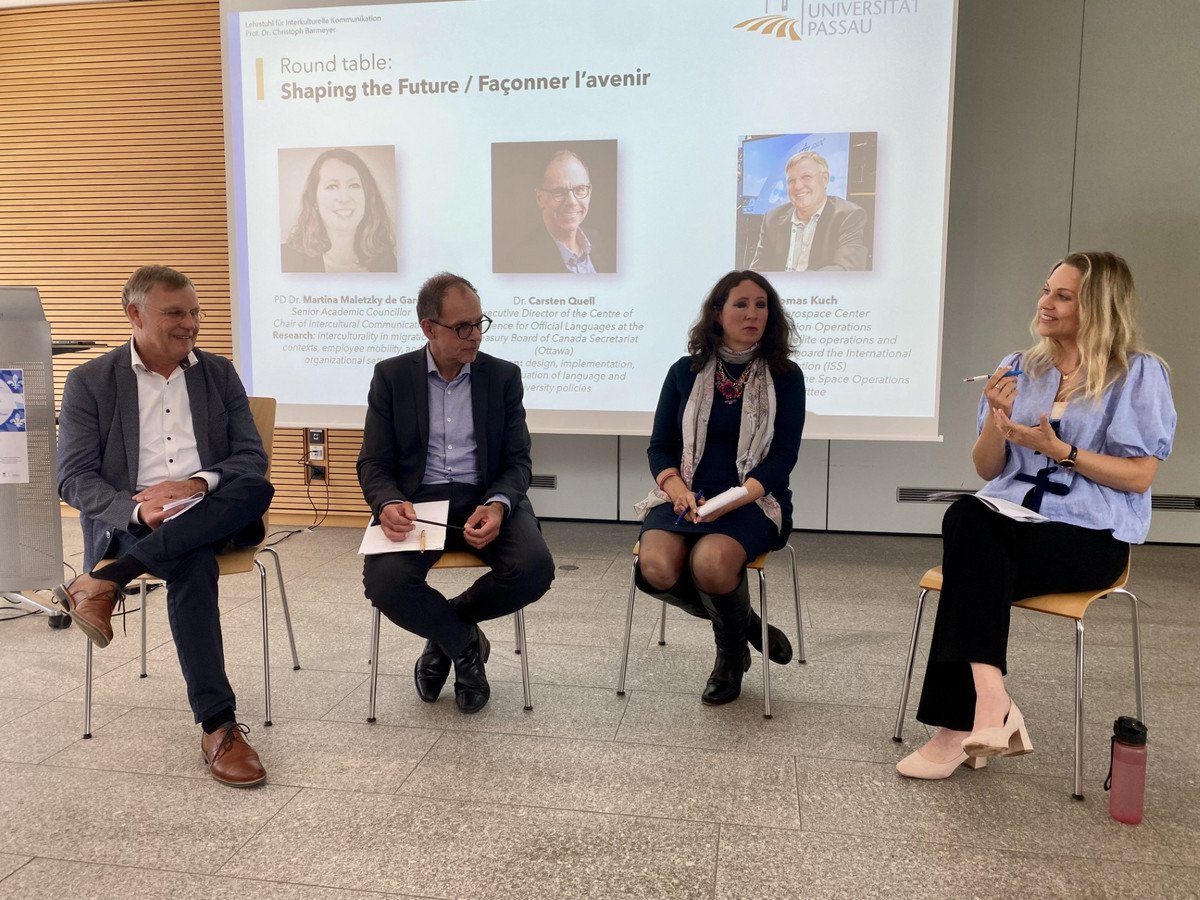
The program was rounded out by a roundtable discussion moderated by Dr. Sina Grosskopf (International University of Monaco), which brought together representatives from practice (Thomas Kuch), politics (Dr. Carsten Quell), and academia (PD Dr. Martina Maletzky de Garcia) and challenged them with questions about shaping the future. A common consensus that emerged was the importance of mutual support, sustainable networks, and cross-border cooperation.
The key takeaway from the event is that, despite a wide range of uncertainties and challenges, the future is a field we can shape. With innovative ideas, cross-border collaboration, and a diversity of perspectives, we can already contribute to a better tomorrow and drive change. The partnership between Bavaria and Québec opens up unique opportunities and can already be considered a successful example of intercultural and transatlantic cooperation.
The 4th Québec-Bavaria Forum thus proved to be a great success: the exchange between different disciplines and cultures opened up new perspectives, provided food for thought, and led to concrete approaches to cooperation. Many participants not only gained new knowledge but also questioned their own beliefs and reflected on existing ways of thinking. At the same time, the forum conveyed an encouraging message: There are many ways to take action and shape change for the future.
We would like to extend our sincere thanks to the Bavarian State Chancellery, Verein der Freunde und Förderer der Uni Passau, the Alumni Club, the Kuwi Netzwerk, and the Neuburger Gesprächskreis for their generous financial support, which contributed significantly to the success of the 4th Québec-Bavaria Forum and made this inspiring and cross-border exchange in this format possible.
Today more than ever, questions about the future are shaped by social change, global interdependence, and cultural diversity. Our forum on “Shaping the Future” therefore highlights the importance of intercultural perspectives and underscores that building a shared future can only succeed through dialogue among different cultures. In particular, societal challenges such as digitalization, sustainable growth, innovation, and living together in diversity call for a conscious intercultural exchange. The focus of our event on current developments with a future-oriented perspective enables a comprehensive understanding of today’s trends and is further deepened by the complementary nature of the Québec and Bavarian perspectives.
In the context of global transformation processes, the Québec-Bavaria Forum contributes to critically reflecting on current ways of thinking, opening up new perspectives, and creating sustainable connections between people, cultures, and ideas that will continue to have an impact well beyond the present moment.
The diverse program allows the topic to be explored and discussed from various angles (research – teaching – practice; Québec – Bavaria).